🌏 Introduction: Strategic Sourcing in China
For B2B clients such as clothing factories, home textile manufacturers, and foreign trade companies, selecting the right fabric market is about more than just location—it’s about strategy. The right market choice can lower procurement costs, ensure fabric quality, and guarantee supply stability.
China’s fabric market distribution has distinct regional characteristics:
| Region | Market Positioning | Key Strengths / Characteristics |
|---|---|---|
| East China | High-end export & global sourcing hub | Mature and complete industrial chain, strong in high-end fabrics, stable quality, export-oriented |
| South China | Fast fashion & flexible order handling | Good at small-to-medium order quantities, quick response to trends, one-stop sourcing for trims & accessories |
| Central China | Cost-effective domestic supply base | Focus on China’s domestic market, competitive pricing, good balance of quality and cost |
| North China | Cotton spinning & industrial textile center | Strong in cotton yarns and fabrics, industrial and functional textiles, reliable basic products |
| West China | Regional supply for Western China | Serves local markets, radiates to Southwest & Northwest regions, suitable for regional distribution |
This guide breaks down key markets by these five regions, covering core details like scale, specialty fabrics, and sourcing tips to help you find the right source for cotton, silk, and denim.
📍 Region 1: East China – The Core Textile Belt for High-End & Export
Regional Characteristics
Covering textile powerhouses like Zhejiang, Jiangsu, and Shandong, this region boasts a complete industry chain from yarn spinning to dyeing and finishing. With strict quality standards and mature export services (customs clearance, logistics, QC), it is the top choice for clients needing high-quality, multi-category, large-volume fabrics, especially for orders destined for Europe, the US, and Southeast Asia.
1. Shaoxing Keqiao China Textile City

- Established: 1988
- Location: Jinkeqiao Avenue, Keqiao District, Shaoxing City, Zhejiang.
- Scale: 1 million sqm, 21,000+ stalls.
- Turnover: Over 320 billion RMB (2025 est.). One of the world’s largest textile distribution centers.
Specialty Fabrics:
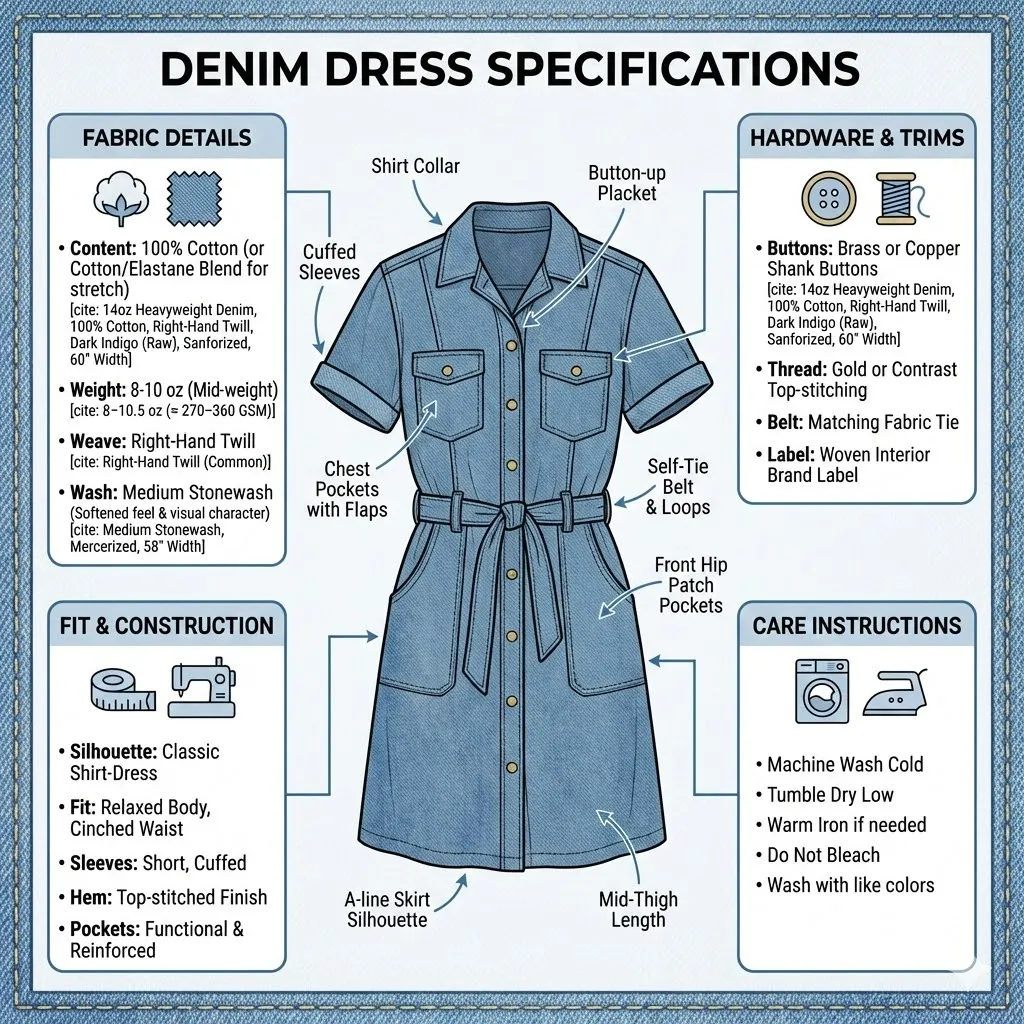
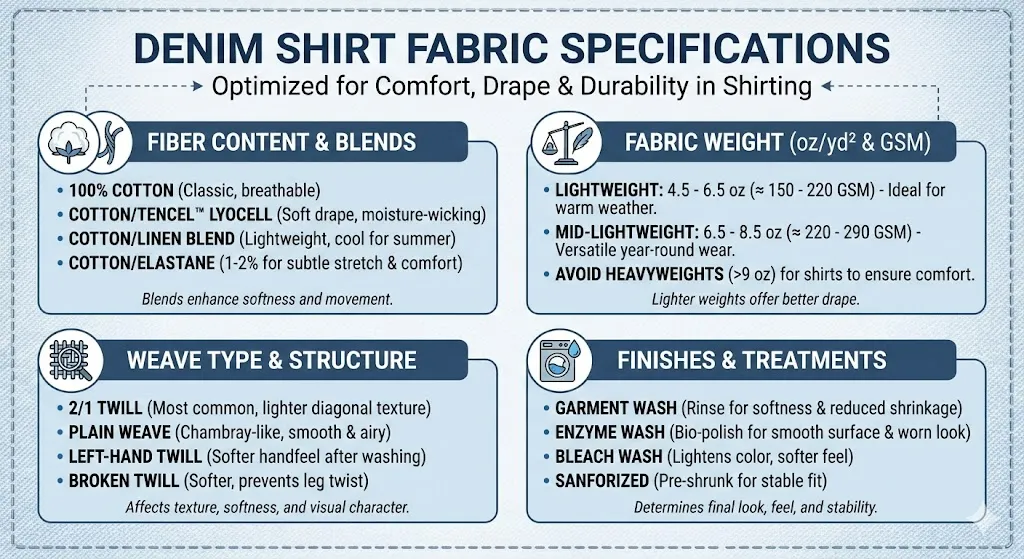
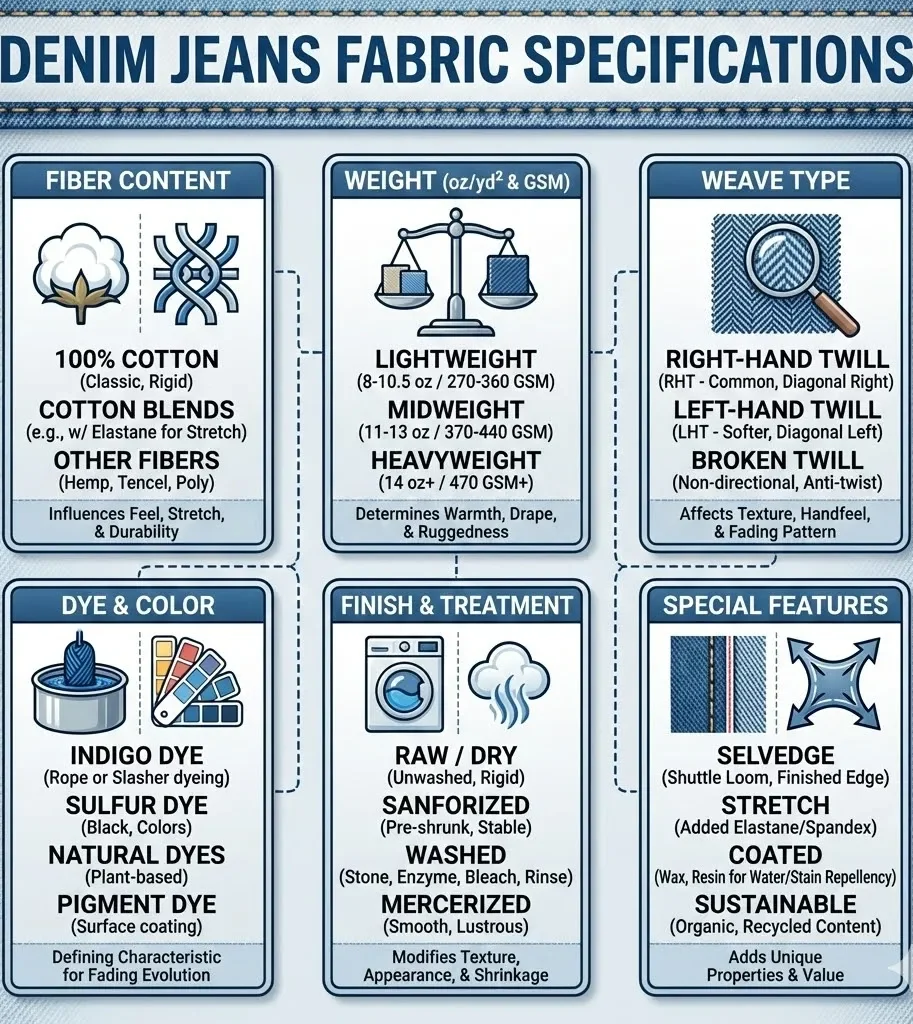
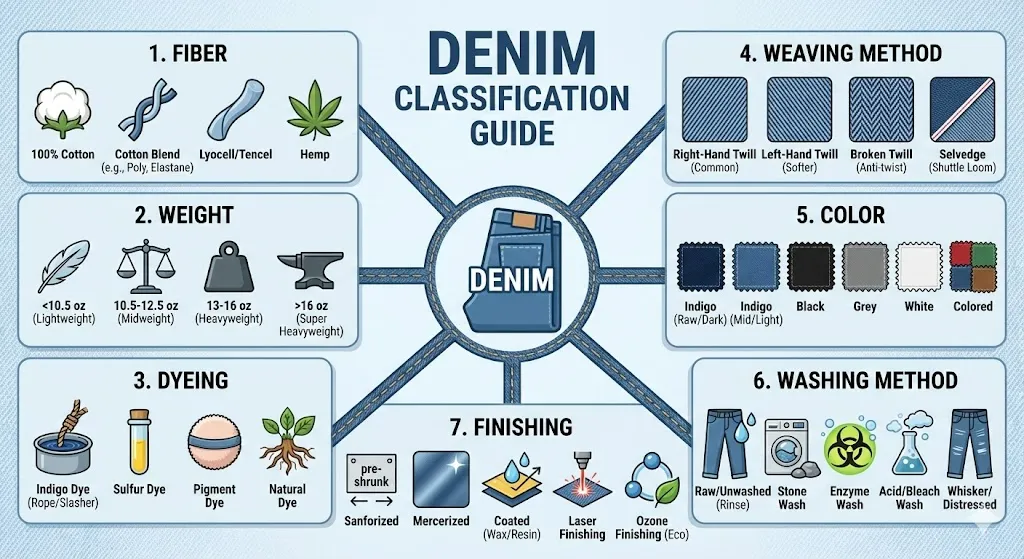
- Denim: Concentrated in the North Market. Features keqiao denim fabric wholesale options including washed, distressed, stretch, and organic denim.
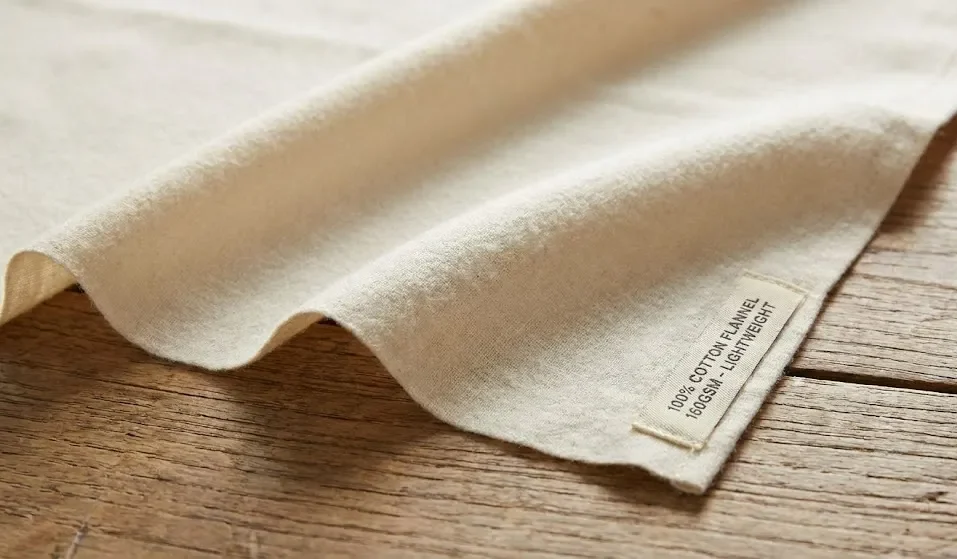
- Cotton Greige: East Market. Covers yarn counts from 20s–120s, ideal for t-shirts and bedding.
- High-End Fashion Prints: Tianhui Market. 60% original patterns, supporting custom digital printing.
- Functional Fabrics: Technology fabric zone offering waterproof, antibacterial, and UV-protective fabrics for outdoor/sports gear.
Suitable Clients:
- Medium/Large Garment Factories: Annual procurement >500,000 meters. Can deal directly with factories, skipping middlemen for prices 8-12% lower than South China.
- Foreign Trade Companies: The market has an “Export Service Center” handling customs and shipping. Keqiao to Southeast Asia logistics is very efficient (e.g., ~$200/container to some ports).
- Home Textile Groups: For high-end silk, jacquard, and high-count cotton. Supports small-batch sampling (50m+) and brand-specific pattern development.
- Brand Enterprises: For customized needs like eco-friendly recycled fabrics, providing ISO 9001 and OEKO-TEX certified fabric suppliers.
- Verification: Prioritize stalls with “Factory Direct” or “ISO9001 Certified” signs.
- Quality Check: When sourcing denim, use a density mirror on-site to check yarn count (e.g., 32S/2x16S) and request a keqiao color fastness aatcc test report.
- Pricing: For large volumes, negotiate a “tax-inclusive delivered” price. VAT invoices (13%) are available, and logistics from Keqiao Logistics Park to Guangzhou/Shenzhen can save 30% vs. self-pickup.
🚛 Logistics & Access:
Hours: Mon-Sat 8:30-17:30 (Export zone opens Sun morning).
Transport: Metro Line 1 “China Textile City” station. Shuttle buses to Hangzhou Xiaoshan Airport and Ningbo Port facilitate quick shipping after inspection.
2. Jiangsu Wujiang Shengze Oriental Silk Market
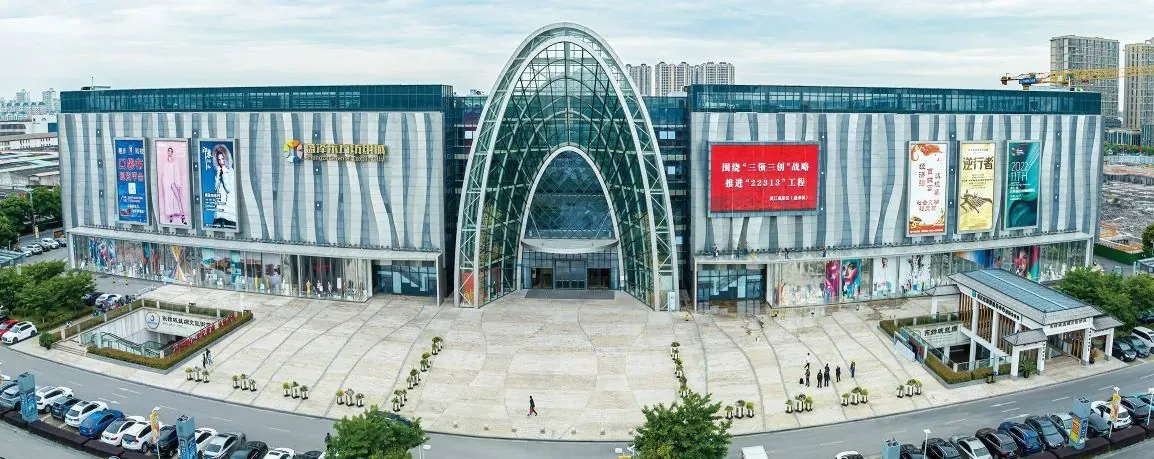
- Established: 1986
- Location: Market West Road, Shengze Town, Wujiang District, Suzhou.
- Scale: 15,000 stalls. Known as China’s “Silk Capital,” accounting for 30% of national silk production.
Specialty Fabrics:
- Mulberry Silk: Silk Textile City. Offers crepe de chine, douppioni, georgette (12-30 momme) for cheongsams and gowns. Mulberry silk 12–30 momme suppliers shengze are abundant.
- Faux Silk: Greige market. Polyester chiffon and satin at 1/3 the price of real silk, perfect for fast fashion.
- Chemical Fibers: Polyester and Nylon for sportswear and outdoor gear.
- Industrial Textiles: Curtain fabrics, medical gauze, automotive interiors.
Suitable Clients:
- Home Textile Enterprises: Bulk sourcing of silk/faux silk for bedding/curtains. Can negotiate 5-8% off and customize wide widths (1.5m/2.8m).
- Small Women’s Wear Factories: High cost-performance fashion fabrics like chiffon/acetate. Low MOQ (100m) with mixed colors allowed.
- Fabric Traders: Stocking chemical fiber greige. With 300+ factories nearby, long-term agreements can secure prices 10% below market.
- Cross-Border Sellers: Sourcing curtain/tablecloth fabrics. Fixed freight forwarders available for China fabric market logistics to southeast asia fba and US/EU warehouses (15-20 days).
- Testing: Perform a burn test to identify real silk (smells like burning hair, grey-white ash that crumbles).
- Colorfastness: Wipe dark chemical fabrics with a wet tissue to check for transfer.
- Factory Visits: Request a shengze factory tour (e.g., Hengli, Shenghong) to ensure production stability for long-term cooperation.
🚛 Logistics & Access:
Hours: Mon-Sat 8:00-17:00 (Closed Sun).
Transport: Near Shengze Bus Station. Logistics to Yangtze Delta is next-day (~1 RMB/kg); to Guangdong takes ~3 days.
3. Hangzhou Sijiqing Fabric Market
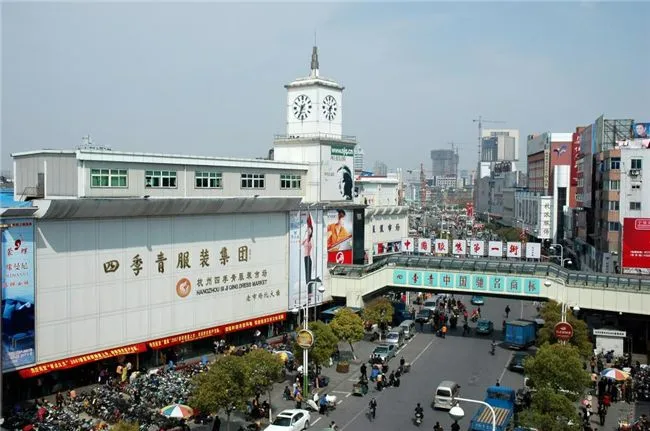
- Established: 1993
- Location: 226 Qiutao North Road, Jianggan District, Hangzhou.
- Scale: 200,000 sqm, 3,000+ stalls. Focuses on “High-End + Designer Original.”
Specialty Fabrics:
- High-End Cotton: Pima and Egyptian cotton (high count/density) for premium tees/bedding.
- Designer Originals: Hand-painted prints, embroidery, jacquard. Limited runs to avoid style clashes. Hangzhou sijiqing designer fabrics wholesale is a key draw.
- Imported Fabrics: Italian wool, Japanese cotton/linen, Korean velvet.
- Hangzhou Silk: Local specialty for traditional wear.
Suitable Clients:
- High-End Women’s Brands: Need original fabrics with custom patterns (MOQ 50m, copyright registration supported).
- Garment Studios: Small-batch imported fabrics for bespoke items (wool coats, linen shirts). Samples available (3-5m).
- Boutique E-commerce: High-quality fabrics for premium pricing (e.g., Pima cotton bedding sets).
- Startup Designers: “Sample Packs” available (20+ swatches) for selection before bulk order.
- Authenticity: Check import declarations and brand authorization letters for imported fabrics.
- IP Protection: Discuss copyright licensing for exclusive prints to differentiate your brand.
- One-Stop: Nearby garment factories allow for a hangzhou fabric plus garment manufacturing one stop solution.
🚛 Logistics & Access:
Hours: Mon-Sat 9:00-18:00.
Transport: Metro Line 2/4 Qianjiang Road Station. Logistics to Yangtze Delta next-day; nationwide 3-5 days.
📍 Region 2: South China – Flexible & Agile (Small Batch + Trims)
Regional Characteristics
Covering Guangdong and Fujian, this region serves both export and domestic markets. It is known for fast response times, low MOQs, and a complete ecosystem of trims (lace, zippers, buttons). Ideal for small-batch replenishment and fast fashion, especially for Southeast Asian and Middle Eastern clients.
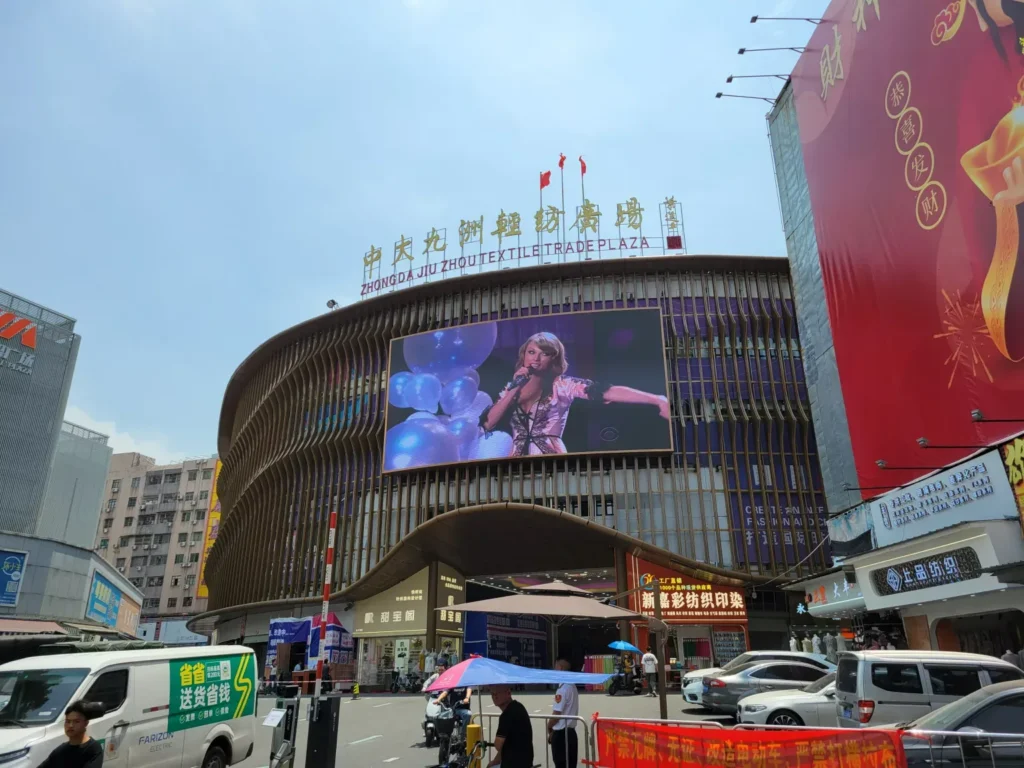
1. Guangzhou Zhongda Fabric Market
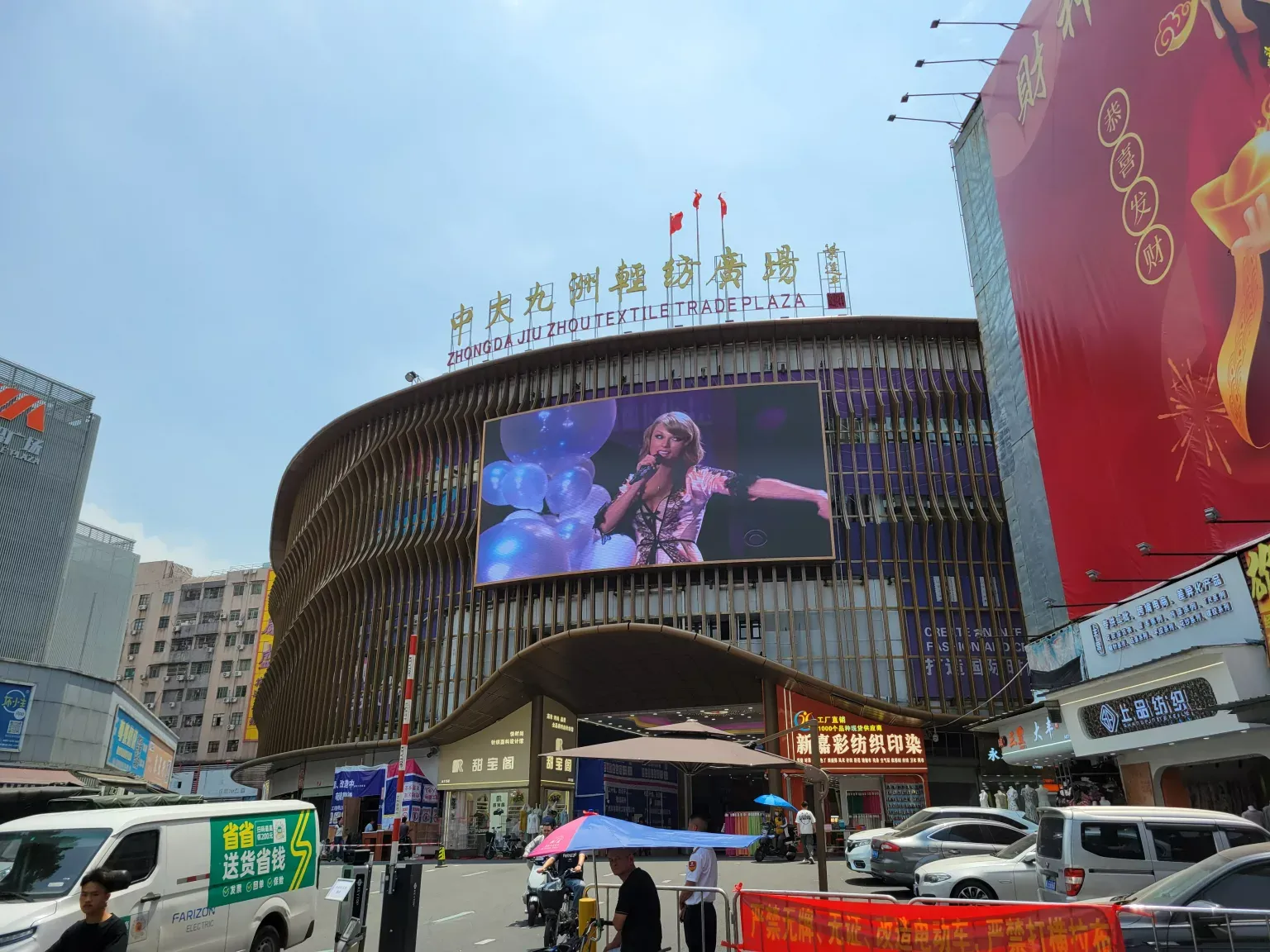
- Established: 1980
- Location: Ruikang Road, Haizhu District, Guangzhou.
- Scale: 500,000 sqm, 18,000 stalls. The largest comprehensive market in South China.
Specialty Fabrics:
- Knits: Around Kangle Village. Cotton knit, modal, ice silk for tees/underwear. Knit fabric modal viscose ice silk zhongda is a top search.
- Denim: West Ruikang Road. Lightweight, stretch denim for summer wear.
- Trims: Changjiang Accessories City. Lace, zippers, buttons—a true one-stop fabric and trims wholesale china hub.
- Functional: Sportswear and sun-protection fabrics.
Suitable Clients:
- Startup/Small Factories: Low MOQ (50-100m), fast replenishment. Perfect for livestream e-commerce supply chains.
- E-commerce Sellers: Multi-style, small-batch needs (e.g., 200m/month of various fabrics).
- Home Textile Shops: One-stop sourcing for fabric + accessories (curtain cloth + hooks).
- Garment Workshops: Flexible sourcing for custom orders.
- Compare Prices: Trims prices can vary by 30% between stalls.
- Quality Check: Test knit fabric elasticity (recovery after stretching) to avoid deformation.
- Deals: Afternoon clearance deals zhongda fabric market (after 3 PM) can offer stock lots as low as 10 RMB/m.
🚛 Logistics & Access:
Hours: Mon-Sat 8:30-18:00.
Transport: Metro Line 8 “Zhongda Station” Exit D. Logistics to Southeast Asia is cheaper than Keqiao for LCL (Less than Container Load).
2. Shenzhen Huanan City Textile Market
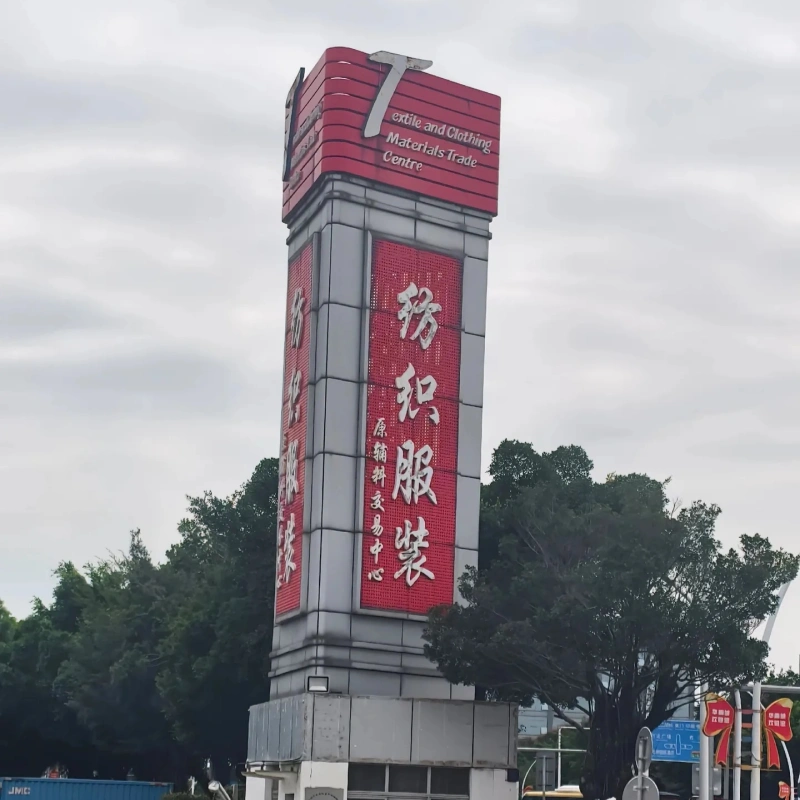
- Established: 2004
- Location: Huanan Avenue, Pinghu Street, Longgang District, Shenzhen.
- Scale: 300,000 sqm, 5,000+ stalls. Features “Imported Fabrics + Cross-Border E-commerce Support.”
Specialty Fabrics:
- Imported Fashion: Italian cashmere, French lace, Korean mesh.
- Cross-Border Specialities: Sun-protective fabric, pet clothing fabric, outdoor tent fabric.
- Stretch Knits: Yoga/swimwear fabric (15-20% Spandex).
- Digital Print: Small-batch custom prints (MOQ 30m), fast trend updates.
Suitable Clients:
- Cross-Border Sellers: Amazon/SHEIN suppliers needing small-batch, multi-style fabrics for quick response.
- High-End Lingerie: Imported lace/modal for seamless underwear.
- Outdoor Gear Factories: Waterproof/breathable fabrics with testing reports.
- Custom Shops: Pet clothes, children’s formal wear requiring digital print fabric 30m moq.
- Compliance: Request import declarations and Certificates of Origin.
- Print Quality: Confirm resolution (recommend >300 DPI).
- Services: The market has a “Cross-Border Service Center” for FBA prep logistics and QC.
🚛 Logistics & Access:
Hours: Mon-Sat 9:00-19:00.
Transport: Metro Line 10 “Huanan City Station.” Near Pinghu Logistics Park; shipping to US/EU FBA takes 12-15 days.
3. Shishi (Quanzhou) Fabric Market
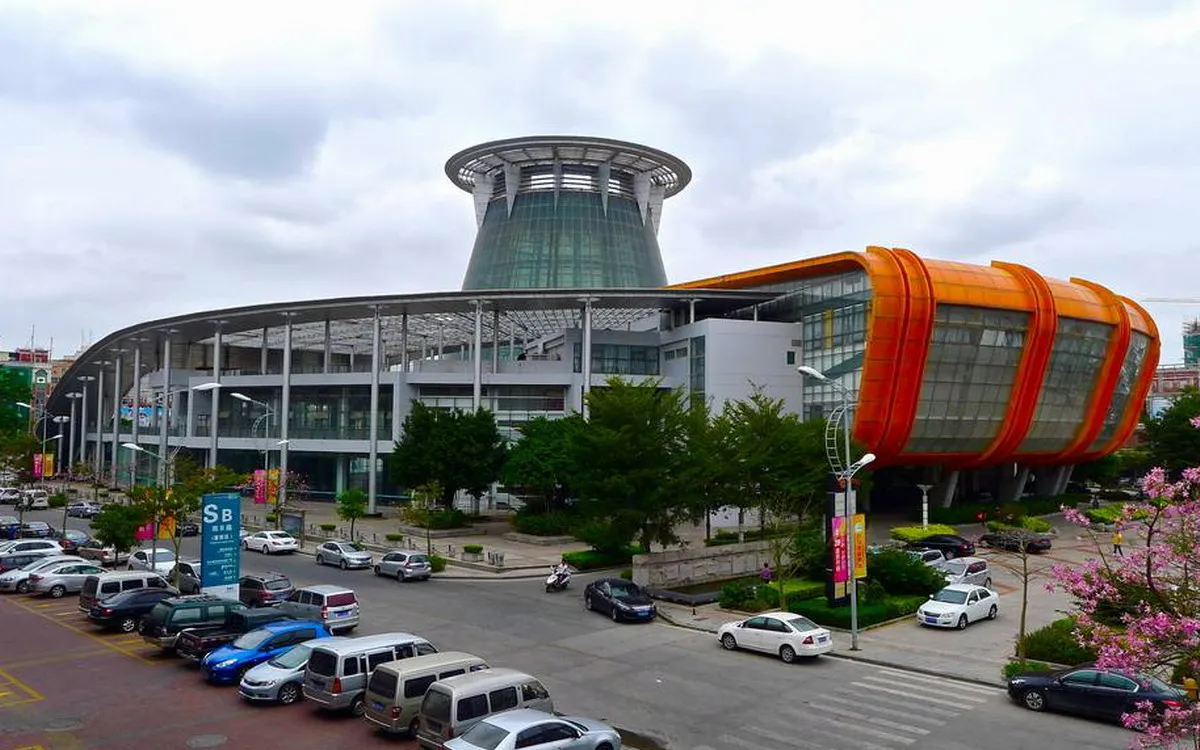
- Established: 1992
- Location: Nanyang Road, Shishi City, Quanzhou, Fujian.
- Scale: 250,000 sqm, 4,000+ stalls. The largest in Southern Fujian, focusing on “Casual + Menswear.”
Specialty Fabrics:
- Casual Denim: Thin, washed denim for men’s jeans/jackets. Shishi denim thin summer washed fabric is a key category.
- Cotton/Linen: Breathable fabrics for casual trousers/shirts.
- Faux Leather: PU/PVC for jackets and bags (cost-effective).
- Sportswear: Quick-dry mesh.
Suitable Clients:
- Menswear Factories: Bulk sourcing for workwear/casual wear (MOQ 200m).
- Wholesalers: Serving local clothing shops with high cost-performance fabrics.
- Bag/Leather Goods Factories: Sourcing faux leather (pu pvc faux leather bag fabric shishi).
- Budget E-commerce: Sourcing stock lots (low as 8 RMB/m).
- Testing: For denim, check abrasion resistance test results (≥500 cycles).
- Quality: For faux leather, check peel strength.
- Events: Visit the Shishi Textile & Garment Fair (March/Sept) for deals.
🚛 Logistics & Access:
Hours: Mon-Sat 8:00-18:00.
Transport: Near Shishi Bus Station. Low shipping rates to Southeast Asia (Philippines, Malaysia).
📍 Region 3: Central China – High Cost-Performance for Domestic Markets
Regional Characteristics
Covering Hubei, Henan, and Hunan, this region targets the domestic mid-west market. Fabrics are affordable with flexible MOQs, ideal for SMEs and township clothing stores focusing on basic styles.
1. Wuhan Hanzheng Street Fabric Market
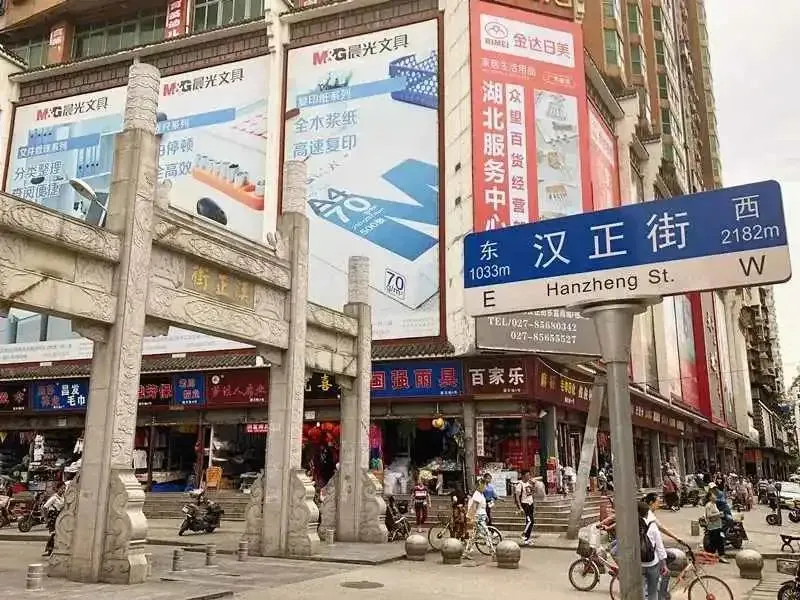
- Established: 1979
- Location: Hanzheng Street, Qiaokou District, Wuhan.
- Scale: 150,000 sqm, 3,000+ stalls. Famous for “Mass Market + Low Price Wholesale.”
Specialty Fabrics:
- Cotton: For tees/sheets (5-10 RMB/m).
- Poly-Cotton (TC): Durable for workwear/uniforms.
- Curtain Fabric: Prints and solids for home decor.
- Yarn: Hand/machine knitting yarn.
Suitable Clients:
- Small Garment Factories: Producing school uniforms/workwear (MOQ 100m).
- Township Stores: Sourcing cheap cotton/TC for budget clothing.
- Home Decor Shops: Bulk curtain/sofa fabric.
- Craft Workshops: Knitting yarn (small batches allowed).
- Fiber Check: Use a burn test to estimate cotton content.
- Terms: Cash on delivery terms fabric may be negotiable for bulk.
- Services: Nearby tailors offer on-site customization.
🚛 Logistics & Access:
Hours: Mon-Sat 7:30-17:30.
Transport: Metro Line 6 “Hanzheng Street.” Low logistics costs to Central China.
2. Changsha Gaoqiao Fabric Market
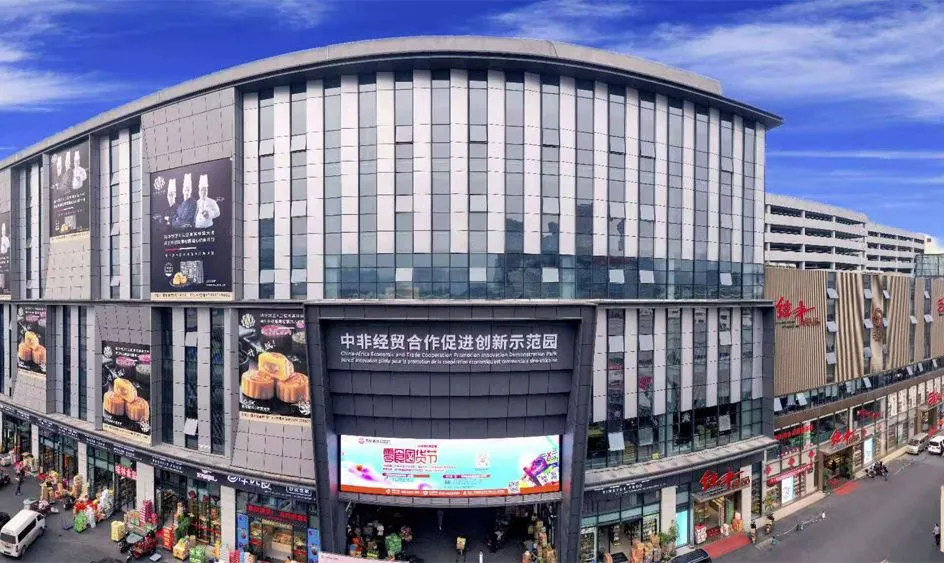
- Established: 1996
- Location: Yuhua District, Changsha.
- Scale: 120,000 sqm, 2,000+ stalls. Core for “Home Textile + Trims.”
Specialty Fabrics:
- Printed Home Textile: Trendy bedding/cushion fabrics.
- Cotton/Linen Blend: Breathable, for casual wear/Hanfu.
- Woolen Cloth: Affordable winter coat fabric.
- Trims: Changsha gaoqiao fabric and trims one stop sourcing.
Suitable Clients:
- Home Textile Shops: Small-batch mixed wholesale.
- Hanfu Studios: Cotton/linen/jacquard (custom width).
- Winter Wear Factories: Woolen fabric (MOQ 100m).
- Tailors: Trims and small fabric lots.
- Quality: Check shedding rate for woolen fabrics.
- Print: Verify print registration accuracy.
- Services: On-site color matching and re-dye service available.
🚛 Logistics & Access:
Hours: Mon-Sat 8:30-18:30.
Transport: Metro Line 5 “Gaoqiao North.” Next-day delivery to Hunan/Jiangxi/Guangxi.
📍 Region 4: North China – Cotton Spinning Dominance & Industrial Focus
Regional Characteristics
Covering Shandong, Hebei, and Beijing, this region relies on the Bohai Economic Rim. It has a strong cotton spinning foundation, focusing on pure cotton and industrial fabrics at affordable prices.
1. Qingdao Jimo Fabric Market

- Established: 1984
- Location: Heshan Road, Jimo District, Qingdao.
- Scale: 250,000 sqm, 4,000+ stalls. The largest pure cotton hub in the North.
Specialty Fabrics:
- Cotton Greige: Qingdao jimo cotton greige wholesale 16s–60s for tees/bedding.
- Knits: Cotton/TC knit for sportswear/kids.
- Denim: Mid-heavy weight for jeans/workwear.
- Industrial: Canvas/filter cloth.
Suitable Clients:
- Large Cotton Factories: Bulk greige sourcing (>1 million meters/year). Direct factory access.
- Kids Wear Factories: Cotton knits (require formaldehyde-free reports).
- Industrial Dealers: Canvas/filter cloth for mines/factories in Northeast/Inner Mongolia.
- Budget E-commerce: Low-cost cotton for budget tees.
- Quality: Inspect yarn evenness with a magnifying glass.
- Price: Ton-price discount cotton fabric qingdao available for bulk.
- Events: Jimo Textile Expo (May).
🚛 Logistics & Access:
Hours: Mon-Sat 7:30-17:30.
Transport: Near Jimo Bus Terminal. Logistics to Northeast/Inner Mongolia takes 3 days, 30% cheaper than South China.
2. Shijiazhuang Nansantiao Fabric Market

- Established: 1989
- Location: Zhengdong Road, Qiaoxi District, Shijiazhuang.
- Scale: 180,000 sqm, 3,000+ stalls. “Budget Fabric + Trims.”
Specialty Fabrics:
- TC (Poly-Cotton): Durable, cheap (4-6 RMB/m) for uniforms.
- Rayon: Soft, breathable rayon viscose summer sleepwear fabric.
- Curtain: Solids/jacquards.
- Yarn: Knitting yarn.
Suitable Clients:
- Uniform Factories: Bulk TC sourcing (MOQ 300m).
- Township Stores: Rayon/TC for budget summer wear.
- Home Decor: Curtains/tablecloths.
- Crafts: Yarn retail.
- Testing: Check TC shrinkage (≤5%).
- Care: Ask for care instructions for rayon (sun sensitive).
- Deals: Fabric deadstock tail-end clearance zone offers prices as low as 2 RMB/m.
🚛 Logistics & Access:
Hours: Mon-Sat 8:00-18:00.
Transport: Metro Line 1 “Ping’an Street.” Next-day delivery within Hebei.
📍 Region 5: West China – Local Demand & Ethnic Specialties
Regional Characteristics
Covering Sichuan, Shaanxi, and Chongqing. Focuses on local garment/home needs, balancing conventional fabrics with ethnic specialties.
1. Xi’an Kangfulu Textile City
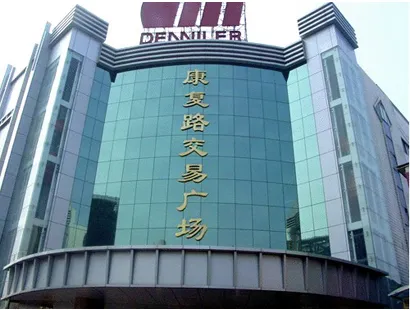
- Established: 1992
- Location: Kangfulu, Xincheng District, Xi’an.
- Scale: 150,000 sqm, 2,500+ stalls. “Workwear + Winter Fabrics.”
Specialty Fabrics:
- Woolen: Winter coats.
- Workwear: Xian kangfulu workwear canvas denim wholesale.
- Cashmere: Sweaters/scarves.
- Curtain: Heavy thermal fabrics.
Suitable Clients:
- Northwest Workwear Factories: Canvas/denim (MOQ 200m).
- Winter Wholesalers: Wool/cashmere for Gansu/Xinjiang.
- Home Decor: Heavy curtains.
- Sweater Factories: Cashmere yarn.
- Testing: Check woolen pilling.
- Authenticity: Burn test cashmere.
- Timing: Winter (Oct-Feb) is peak season with best stock.
🚛 Logistics & Access:
Hours: Mon-Sat 8:00-17:30.
Transport: Metro Line 1 “Kangfulu.” Gateway to the Northwest.
🛒 B2B Sourcing Guide: How to Navigate & Purchase
1. The 3-Step Sourcing Strategy
Step 1: Market Selection (The 3-Second Filter)
- Large Volume (>500k meters/year): Go to East China (Keqiao, Shengze) for factories, lowest prices, and full supply chain.
- Small/Medium Volume (<100k meters): Go to South China (Zhongda, Shishi) for market stalls, small MOQs, and one-stop trims.
- Urgent Orders (<7 days): Go to Local Markets (Hanzheng) for ready stock to avoid logistics delays.
Step 2: Supplier Vetting (2 Must-Dos)
- Check Qualifications: For factories, check the Business License and Production Permit. For stalls, ask if they have a fixed partner factory. How to verify china fabric supplier business license is a key skill.
- Test Samples: Always request 2–3 sample swatches. Test for shrinkage (iso 6330 shrinkage test report fabric china standard ≤3%) and colorfastness (wet rubbing).
Step 3: The Contract (3 Key Clauses)
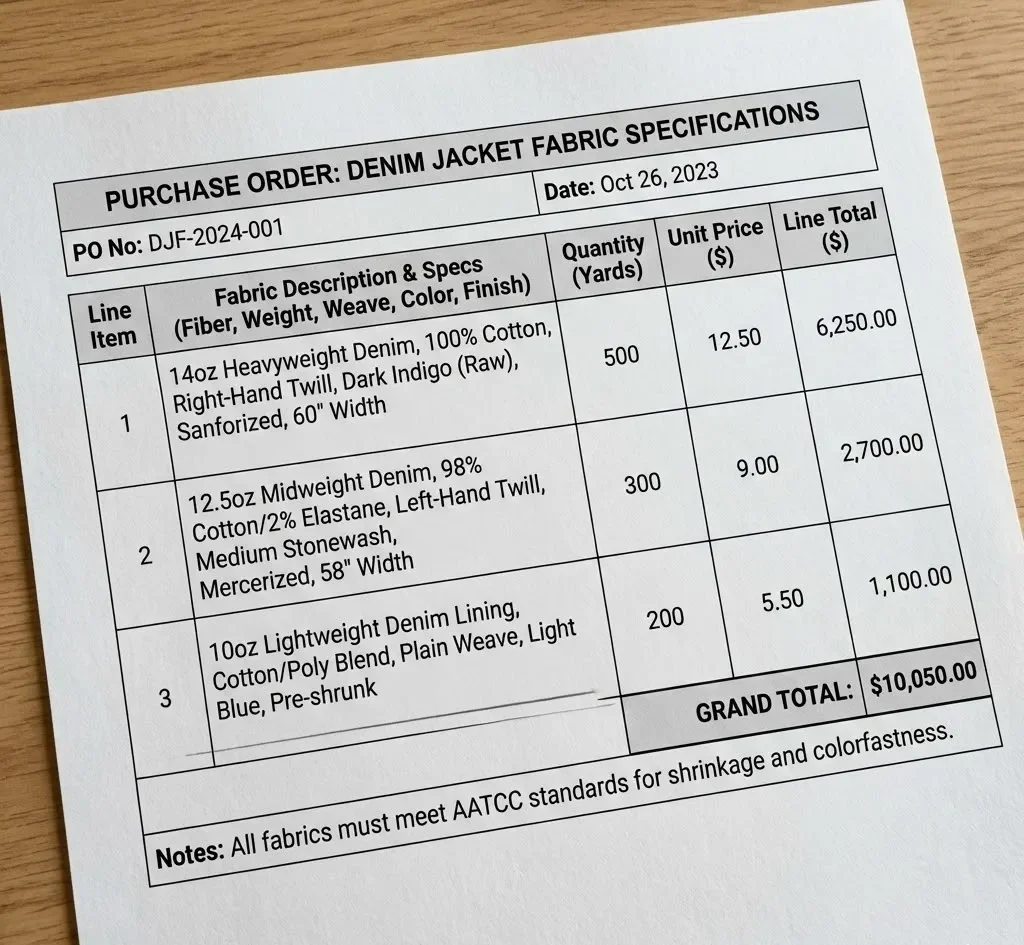
- Specs: Define yarn count, GSM, composition (e.g., “60S Pima Cotton, 120g/m²”), and attach the color card number.
- After-Sales: Specify returns/exchanges within 48 hours for quality issues; penalty of 1% per day for late delivery.
- Payment: 30% Deposit, 70% Balance (after passing QC) to mitigate risk.
2. Avoiding 3 Common Pitfalls (With Solutions)
🚫 Pitfall 1: Bulk Goods Don’t Match Sample
Solution: Contract must state “Delivery per approved sample.” Reject if they don’t match.
📦 Pitfall 2: Lost/Mixed Goods in Logistics
Solution: Require supplier to mark “Buyer Name + Fabric Name + Meterage” on outer packaging. Use dedicated market logistics lines (e.g., keqiao to guangzhou dedicated logistics line).
⚖️ Pitfall 3: IP Infringement on Custom Fabrics
Solution: Request a “Copyright Authorization Letter” or source from designated “Original Design” zones (like in Hangzhou).
(For more tips, read our guide on B2B Fabric Sourcing Disputes & Solutions).
🏁 Conclusion
China’s fabric market landscape is vast but navigable. By matching your business model (Volume, Quality, Location) to the right region, you optimize your supply chain.
Whether you need the industrial might of Keqiao or the agile fashion of Zhongda, the right partner is there.
❓ FAQ (B2B Buyers’ Most-Asked Questions)
1) Which region should I choose for my order type?
- Large, export-grade programs (≥500k m/yr): East China (Keqiao, Shengze) — full supply chain, best bulk pricing, mature export/QC.
- Small/medium, fast-fashion or replenishment (≤100k m/yr): South China (Zhongda, Shishi) — low MOQs, trims one-stop.
- Domestic basics, value focus: Central China (Wuhan, Zhengzhou, Changsha).
- Cotton/industrial cloth at scale: North China (Qingdao/Jimo, Shijiazhuang).
- Local & ethnic varieties, SW/NW coverage: West China (Chengdu, Xi’an).
2) What MOQs, lead times, and payment terms should I expect?
- MOQs: South China 50–100 m (stock/print-on-demand); East China 300–1,000 m/colour (mill-direct); yarn-dyed/plaid and jacquard higher; digital print often 30 m.
- Lead times: Stock 1–3 days; local market dye/finish 3–7 days; mill-direct 10–25 days (complex weaves/finishes 25–35).
- Payments: Commonly 30% deposit / 70% balance after QC; ask for tax-inclusive delivered quotes and FOB/EXW/CIF clarity.
3) What tests and documents do I need before paying the balance?
QC tests: ISO 6330 shrinkage (target ≤3%), AATCC color fastness (wash/rub), GSM/width report; for performance fabrics add water repellency/UPF as needed.
Docs: Business License, (optional) ISO 9001; OEKO-TEX® (if required); sealed approved sample; packing list with lot/batch; CI/PL/HS code; for imports: COO & test reports.
4) How do I prevent bulk goods from differing from my sample?
- Write “Delivery must match the approved sealed sample” into the PO.
- Fix tolerances: ΔE ≤ 1.0–1.5, shrinkage ≤ 3%, GSM/width ± tolerances, hand-feel notes + wash-down photos.
- Specify inspection: AQL 2.5 final + pre-shipment size set; keep a counter-sample with you and the supplier.
5) Any quick cost-saving tips without risking quality?
- In East China, ask mills for factory-direct + tax-included delivered quotes (often beats third-party logistics).
- In Zhongda/Shishi, buy stock lots for basics; negotiate mixed-color orders.
- For plaids/prints, factor matching waste (10–15%) into costing upfront to avoid margin surprises.
- Use dedicated market logistics lines (e.g., Keqiao→Guangzhou) and require outer-carton buyer/fabric/meterage labels to prevent mix-ups.