
Dimout Fabric · about 85%
Dense polyester weave with dark weft yarns, no coating. 180–260 gsm, soft, drapes like a normal curtain, machine washable at 40 °C. For living rooms, offices and cafés.
Triple weave, 1-, 2- and 3-pass coated, laminated, lining and roller shade blackout — woven, dyed, coated and inspected on our own lines in China. Built for drapery workrooms, shade makers, hotel projects and curtain brands that need blackout fabric for windows by the roll, not by the yard.
Jump to: light block test · blackout lining · roller & Roman shades · hotel projects
In our light-box test, dimout fabric stops about 85% of light, 1-pass coated about 92%, triple weave about 97% and 2-pass coated about 99%. 3-pass coated, laminated blackout, blackout lining and roller shade fabric stop 100%. These are typical values in dark and mid shades; white and pastel triple weave blocks less.
Pick a construction and move the lamp from cloudy day to direct sun: the meter shows the light that reaches the room, the section shows why.
Cloudy day 1,000 lxBright day 10,000 lxDirect sun 100,000 lx
Dense polyester weave with dark weft yarns, no coating. 180–260 gsm, soft, drapes like a normal curtain, machine washable at 40 °C. For living rooms, offices and cafés.
One white acrylic foam layer coated on the back. 200–280 gsm, slightly firmer than the face cloth, gentle wash at 30 °C. For room-darkening drapes and budget lines.
Three-layer weave — face yarn, black yarn, back yarn. No coating, no smell. 250–350 gsm, soft and heavy, machine washable at 40 °C. For e-commerce blackout curtains and bedrooms.
White foam plus a black foam layer; the back looks grey-white. 230–300 gsm, firm, holds pleats, gentle wash at 30 °C. For bedrooms and nurseries.
White foam, black layer, white foam: full blackout with a clean white back. 260–330 gsm, firm with crisp folds. For hotels, media rooms and night-shift bedrooms.
Any face fabric bonded to a blackout film or 3-pass back. 300–420 gsm; hand depends on the face, such as velvet or linen-look. Dry clean recommended.
3-pass coating on a light poly-cotton or polyester base, sewn behind your face fabric. 180–260 gsm, light and easy to sew. For drapery workrooms and lined curtains.
Polyester or fiberglass base with acrylic or PVC blackout coating, stiffened to roll flat; cut edges don’t fray. 300–450 gsm, wipe clean. For roller, cassette and office blinds.
Typical values in dark and mid shades. White and pastel triple weave blocks less than dark shades. Confirm values per article
Light leaks through the gaps between yarns, and blackout fabric closes them in one of three ways: foam coating fills the gaps and adds a black layer, triple weave puts a black yarn between the face and back yarns, and lamination bonds a solid blackout film or coated back to any face fabric.
Choose one to pull the layers apart.
Hover a layer · window side at the back, room side at the front
White acrylic foam fills the gaps between yarns so no pinholes are left; the black layer stops the light, and in 3-pass a second white foam gives a clean back that faces the window.
A black yarn is woven between the face and back yarns. No coating — the fabric stays soft, machine washable and free of chemical smell.
The face fabric is bonded with a breathable PU adhesive to a TPU blackout film or a full 3-pass coated back, so any decorative face can become 100% blackout.
The difference is how much light passes through the cloth. Dimout blocks 70–90% and only softens glare; room darkening fabric blocks 90–99%, dark enough to sleep in the day with a glow at the edges; blackout blocks 99–100%, so no light comes through the cloth.
Softens glare, you still see daylight. Living rooms, offices, restaurants.
Dark enough to sleep in the day, a glow at the edges. Most bedrooms.
No light through the cloth. Hotels, nurseries, home cinemas, night-shift workers.
Scale stretched above 70% so the top end is readable. In a finished room, light also comes round the edges — tracks, returns and cassettes matter as much as the cloth.
Drapery workrooms usually need blackout lining fabric in 140 / 280 cm; roller and Roman shade makers need stiff roller shade fabric up to 300 cm or a soft 3-pass face; hotel projects need 3-pass FR fabric in 280 / 300 cm; e-commerce brands do best with washable triple weave; wholesalers stock 2-pass coated in 40+ colours.
Choose yours — the light box, the width planner and the fabric library below switch to your recommendation.
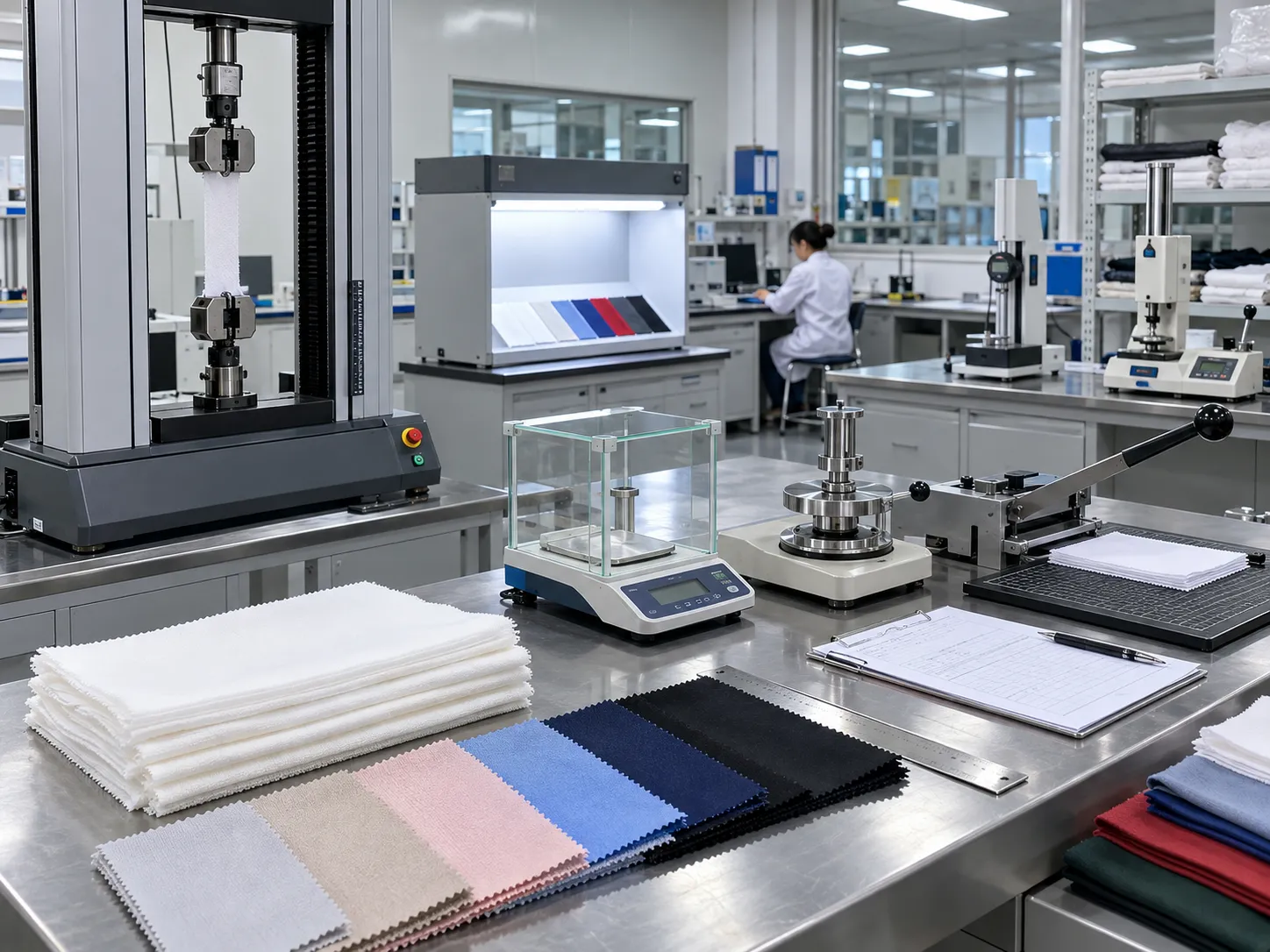
The seven common complaints are pinholes of light, chemical smell, coating cracks after washing, a stiff papery drape, colour showing on the street side, back yellowing and light through needle holes. We catch them by pulling every roll over a lit light table — a 100% lamp check — and by wash, flex and light-fastness tests on each lot.
Tap a mark to see what causes each complaint and how we control it.
CauseCoating too thin or foam not filling the weave gaps.
Our controlEvery roll runs over our light table; 100% lamp check, not a sample check.
CauseCheap acrylic binder and not enough curing time.
Our controlLow-odour water-based foam, fully cured; smell test before packing.
CauseCoating too hard or poor adhesion to the base cloth.
Our controlWash test (3 cycles) and flex test on every lot.
CauseToo much coating weight on a light base.
Our controlCoating weight matched to the base; triple weave for a soft hand.
CauseColoured face shows through a thin white back.
Our control3-pass white back or same-colour back by request.
CauseLow-grade binder oxidises in sunlight.
Our controlUV-stable binder; light-fastness test on the back.
CauseSewing perforates the black layer.
Our controlRailroaded wide widths cut the number of seams; sewing notes with samples.
Inspection table · 1.8 m lamp bed
Because every vertical seam is a row of needle holes in the black layer, and needle holes leak light. With 280 or 300 cm fabric turned sideways (railroaded), a curtain up to that drop has no seams at all — fewer seams, less light leak and less sewing.
Enter one window.
Allows 30 cm for hems and headings, 10 cm side turnings per width. A planning aid, not a cutting list.
Sewing perforates the black layer, so each vertical seam shows as a line of light. Cutting the number of seams is the simplest way to keep a blackout curtain dark.
Turned sideways, extra-wide blackout fabric covers the whole window in one piece: a curtain up to 280 or 300 cm drop needs no vertical seams at all.
The planner allows 30 cm for hems and headings and 10 cm side turnings per width, with 1.5× flat, 2× pinch-pleat or 2.5× wave fullness. Use it for planning, not as a cutting list.
Seventeen regular articles across eight constructions — dimout, triple weave, 1-, 2- and 3-pass coated, laminated, blackout lining and roller shade fabric — from 200 to 420 gsm and 140 to 300 cm wide, with plain, linen-look, velvet, jacquard, printed and embossed faces. Every article comes in our colour card or is dyed to your standard.
Filter by construction and face, then click Add to collect articles for your inquiry.
Article list and weights are a starting draft — replace with your real article numbers
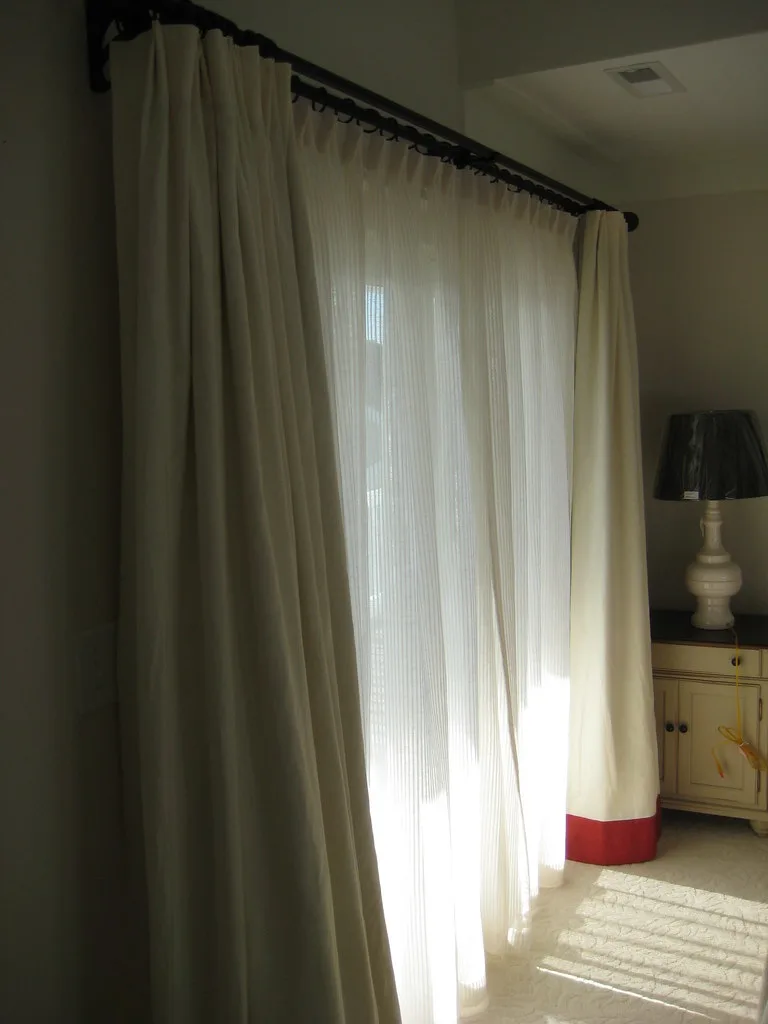
Blackout lining is a light poly-cotton base with 3-pass foam, sewn behind a decorative face fabric to block 100% of light. Thermal lining blocks about 90% and adds insulation; standard lining blocks about 40–60% and adds body. Our drapery lining fabric range comes in matched 140 / 280 cm widths, so a workroom buys face and lining from one mill.
| Blackout lining | Thermal lining | Standard lining | |
|---|---|---|---|
| Light blocked | 100% | ≈ 90% | ≈ 40–60% |
| What it adds | Full darkness, privacy at night | Insulation, softer drape | Body and fade protection |
| Construction | 3-pass foam on poly-cotton | 1–2 pass thermal foam | Plain poly-cotton sateen |
| Widths | 140 / 280 cm | 140 / 280 cm | 140 / 280 cm |
| Sewing | Use a sharp 90/14 needle, long stitch | Standard needle | Standard needle |
So the lining never shows below the hem.
The soft base faces the face fabric; the white coated side faces the glass.
Use a long stitch on blackout lining; thermal and standard linings sew with a standard needle.
Stock colours, so the street side of every window looks the same.
The two shades ask for opposite things. A roller blind needs a stiff, flat cloth that winds straight on a tube — acrylic or PVC coated polyester or fiberglass, 200 / 250 / 300 cm wide. A Roman shade needs a soft cloth that folds into neat stacks — a soft face with a separate blackout lining, or a lightly coated laminated cloth.
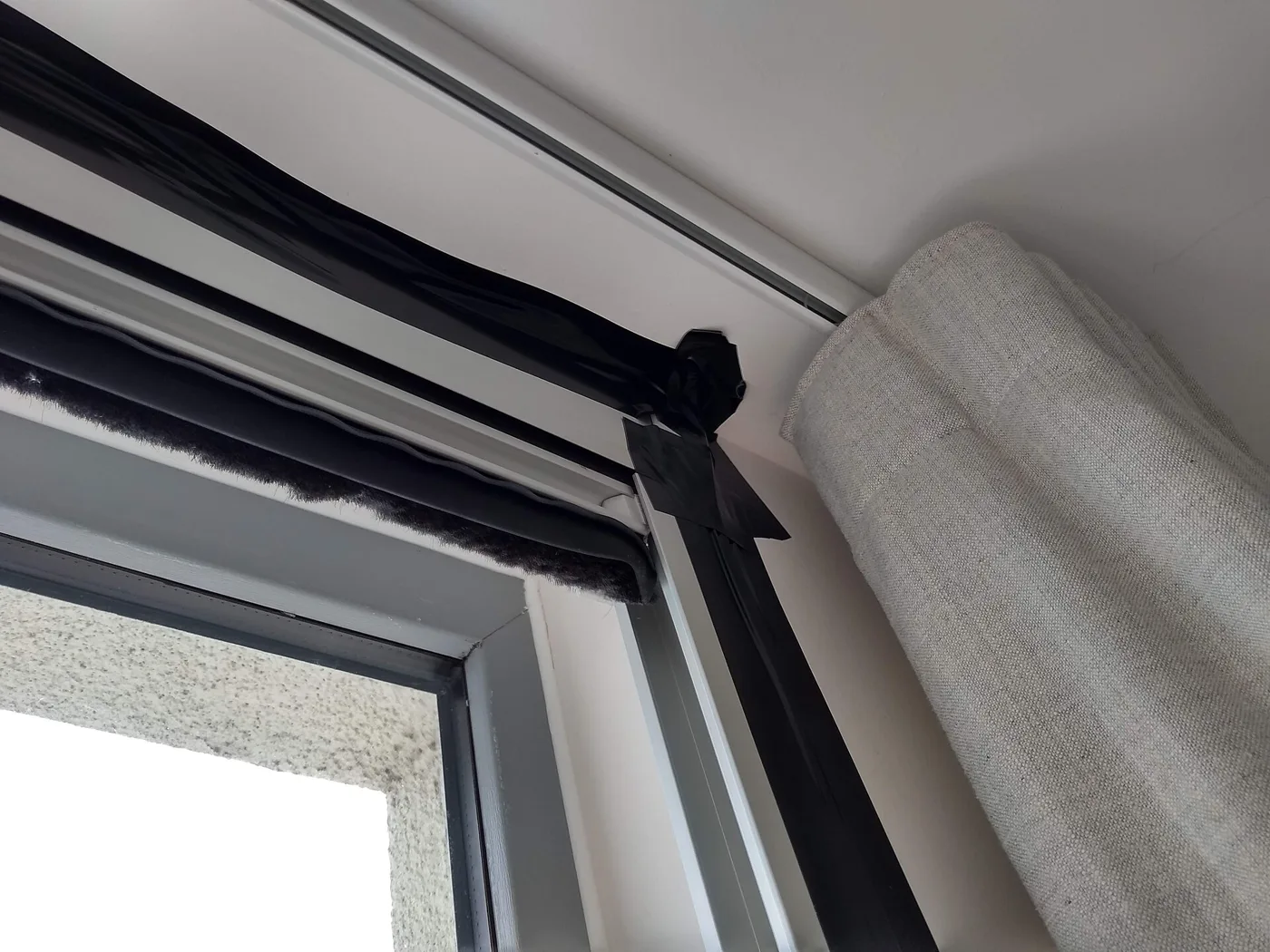
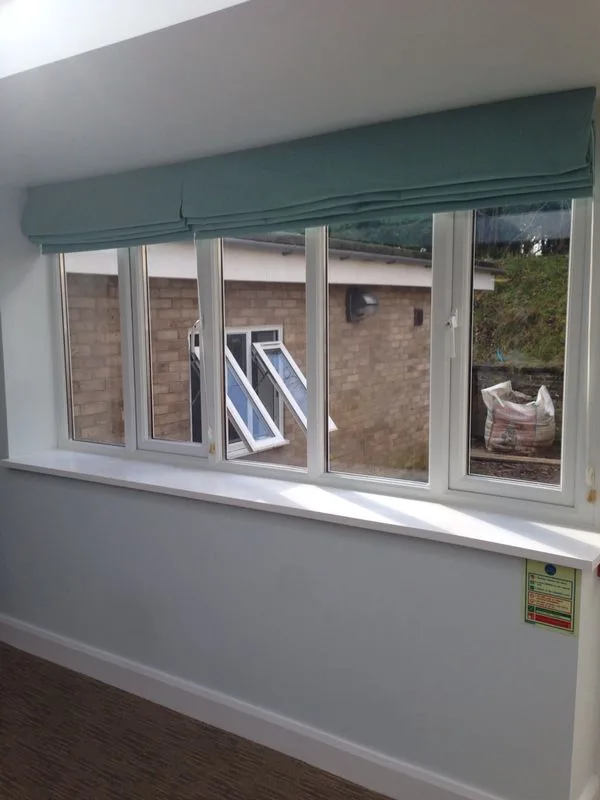
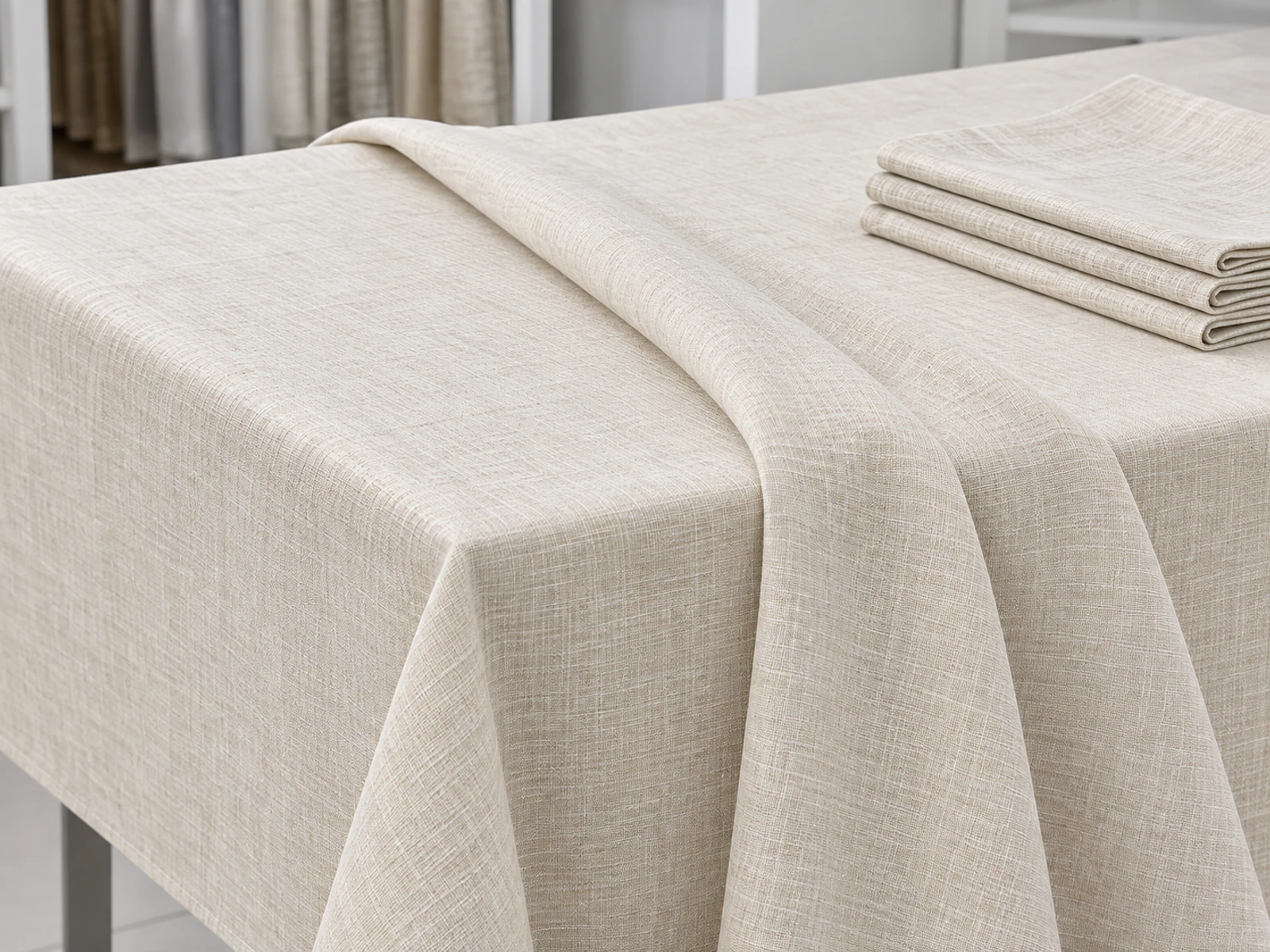
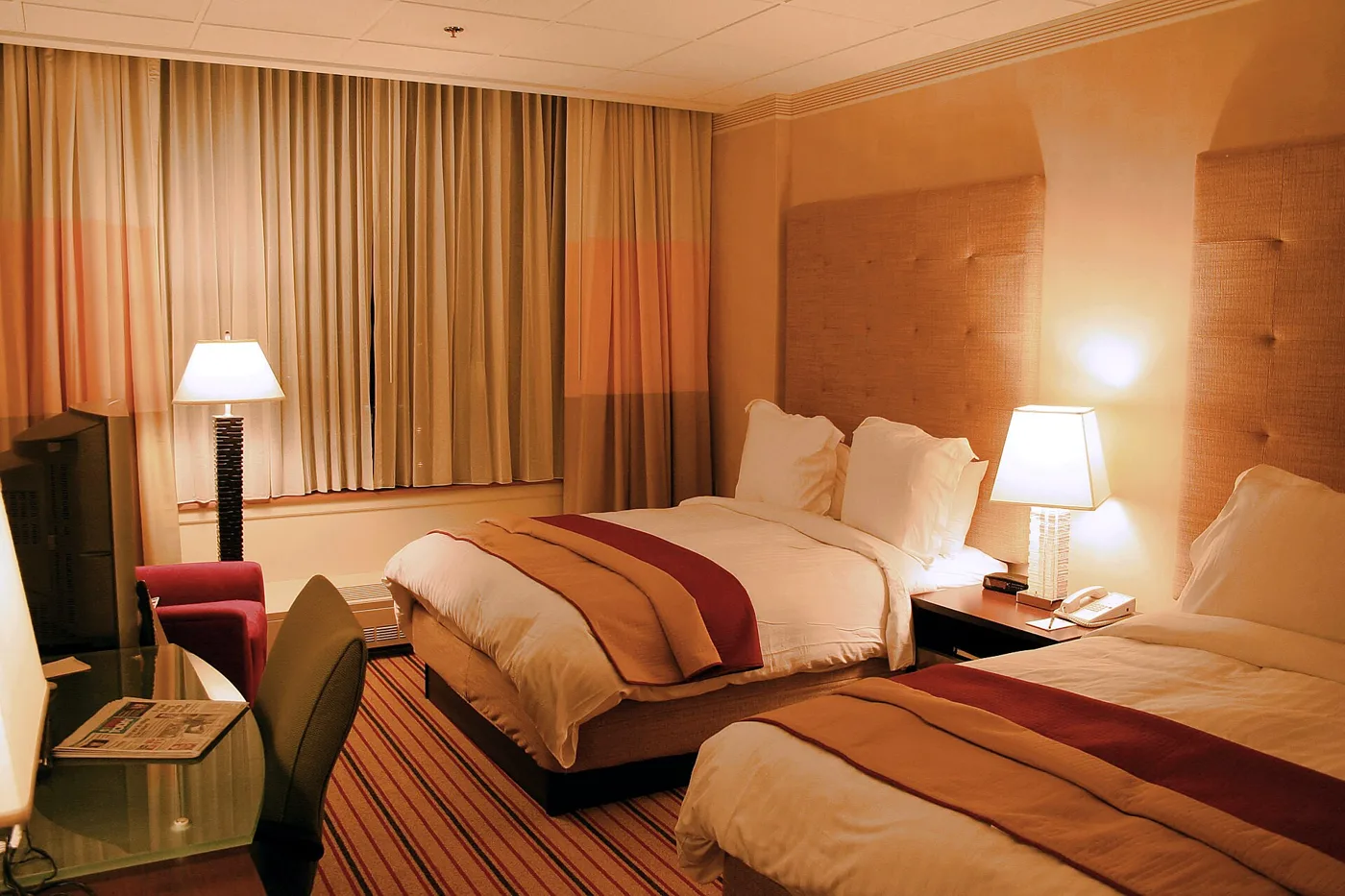
Hotels buy for hundreds of identical rooms, so light block, fire rating and the street-side look are fixed before any colour is chosen: 100% light block, an FR rating such as NFPA 701 or BS 5867-2, the same white back on every window, 280 / 300 cm railroaded widths and one dye lot per floor. This is the spec sheet we work to for hotel blackout curtains.
| Light block | 100% (3-pass or laminated) · triple weave ≥ 99% in dark shades |
|---|---|
| Fire rating | NFPA 701 · BS 5867-2 Type B · EN 13773 · GB 8624 B1 |
| Street-side look | White back, identical on every window of the building |
| Width | 280 / 300 cm, railroaded — no vertical seams up to 2.8 m drop |
| Colour | One dye lot per floor or wing; lab dip approved under D65 |
| Durability | Abrasion and wash tests reported per lot |
| Packing | Rolls labelled by room type / floor on request |
FR: confirm which test reports are on file for each standard
Street view at night · the back of the curtain is what the city sees
It depends on who sees the street side. Hotels and apartment buildings specify a white back so every window looks the same from outside; homes and curtain brands often prefer a same-colour back. Either way, we dye before coating and approve a lab dip on the real blackout base.
Pick a face colour — the facade shows what the street sees with each back.
A white back looks identical on every window of the building — why hotels and apartment blocks specify it.
A matched back looks finished from both sides, which homes and curtain brands often prefer.
Colour is matched on the real blackout base and approved under D65 and shop light.
Face colour and back stay stable after washing because dyeing comes before the coating.
20–35 days in six steps: send your brief, receive a free swatch card in 1–3 days, approve a lab dip and coating trial by day 7, test the approval sample by day 10, then bulk weaving or dyeing, coating, curing and light-table inspection, and shipping with test reports by day 20–35.
Slide the curtain along — each hook is a step, what you approve and what you get back.
Reference swatch, window type, light block and FR requirement.
Matching articles mailed free — you pay the courier.
Colour on the real base; coating passes chosen for your light block.
Light, wash and FR tests on the approved sample.
Weaving or dyeing, coating, curing, light-table inspection.
Test reports and roll list; EXW · FOB · CIF · DDP.
Six: light transmission (3-pass must read 0 lx under a 10,000 lx lamp), a 100% pinhole check on the light table, coating after 3 wash cycles (ISO 6330), dimensional change within ±3% (ISO 5077), rubbing fastness (ISO 105-X12) and light fastness (ISO 105-B02). Reports travel with the rolls.
Readings shown are typical results; the limit is what the lot must pass.
Pass: 3-pass: 0 lx through
Pass: No visible pinholes
Pass: No cracking or peeling
Pass: ≤ ±3%
Pass: Dry ≥ 4 · wet ≥ 3
Pass: ≥ 5 (back ≥ 4)
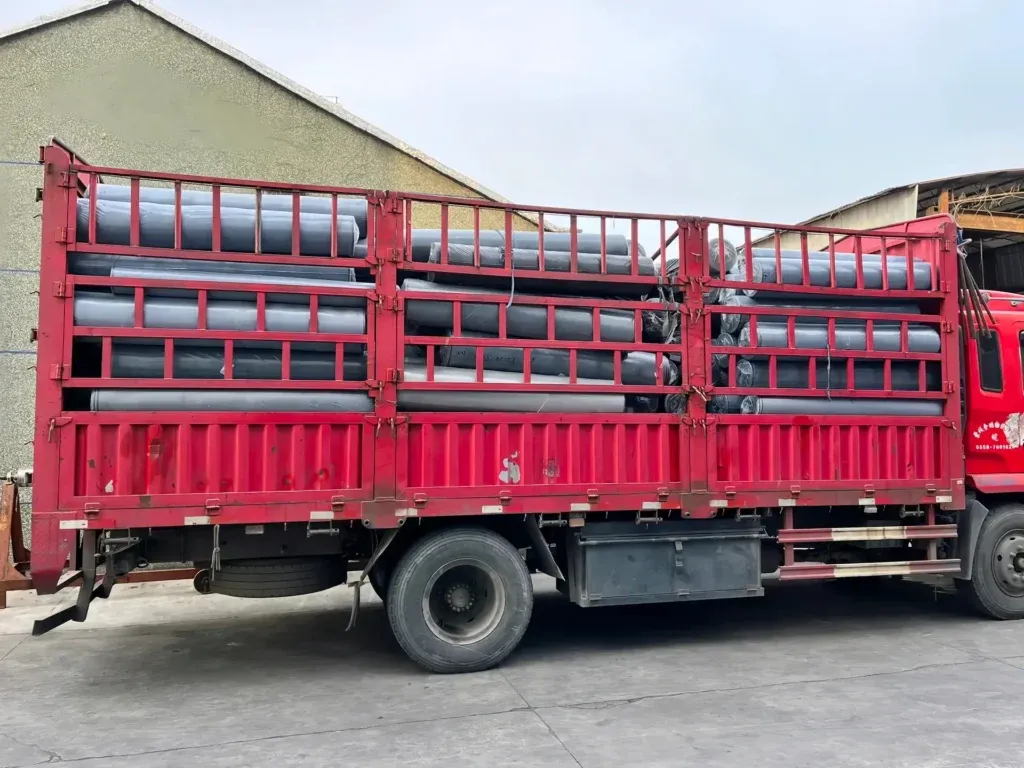
So the coating arrives uncracked: coated blackout fabric is never folded or crushed. It is rolled face-out — coated side inward — on rigid 7.6 cm paper tubes, wrapped in a moisture-proof poly bag and a labelled woven bag, and stacked lying flat in the container.
Varies with width, weight and coating — we confirm it per article.
Shows article, colour, lot, meters, width and roll number.
280–300 cm rolls are loaded lying flat; no rolls stand on their ends.
A manufacturer: weaving, dyeing, foam coating, lamination and inspection run in-house, so one team answers for light block, colour and coating from the first yarn to the packed roll, with coating up to 300 cm wide. Founded in 2003, exporting for 20+ years.
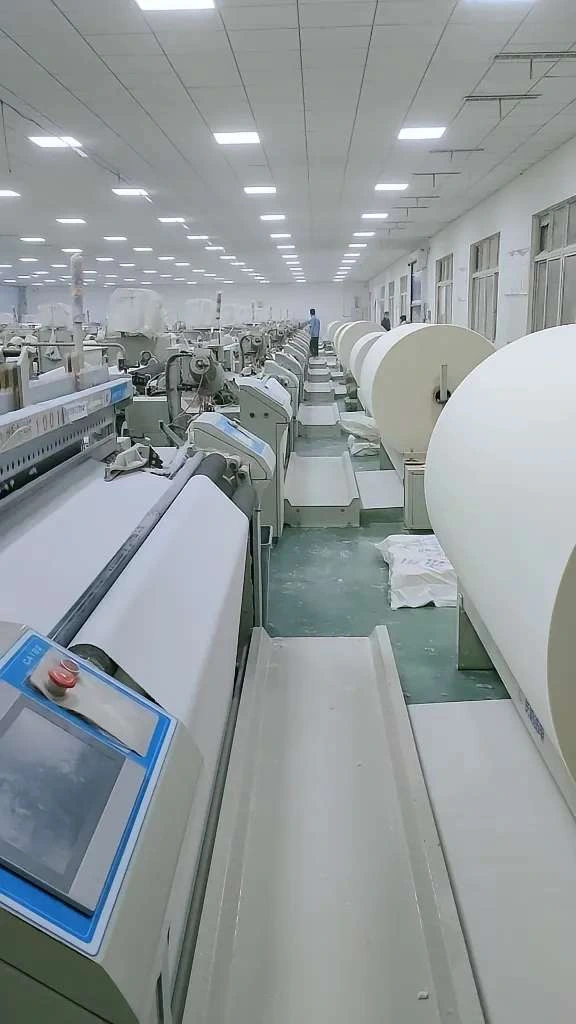
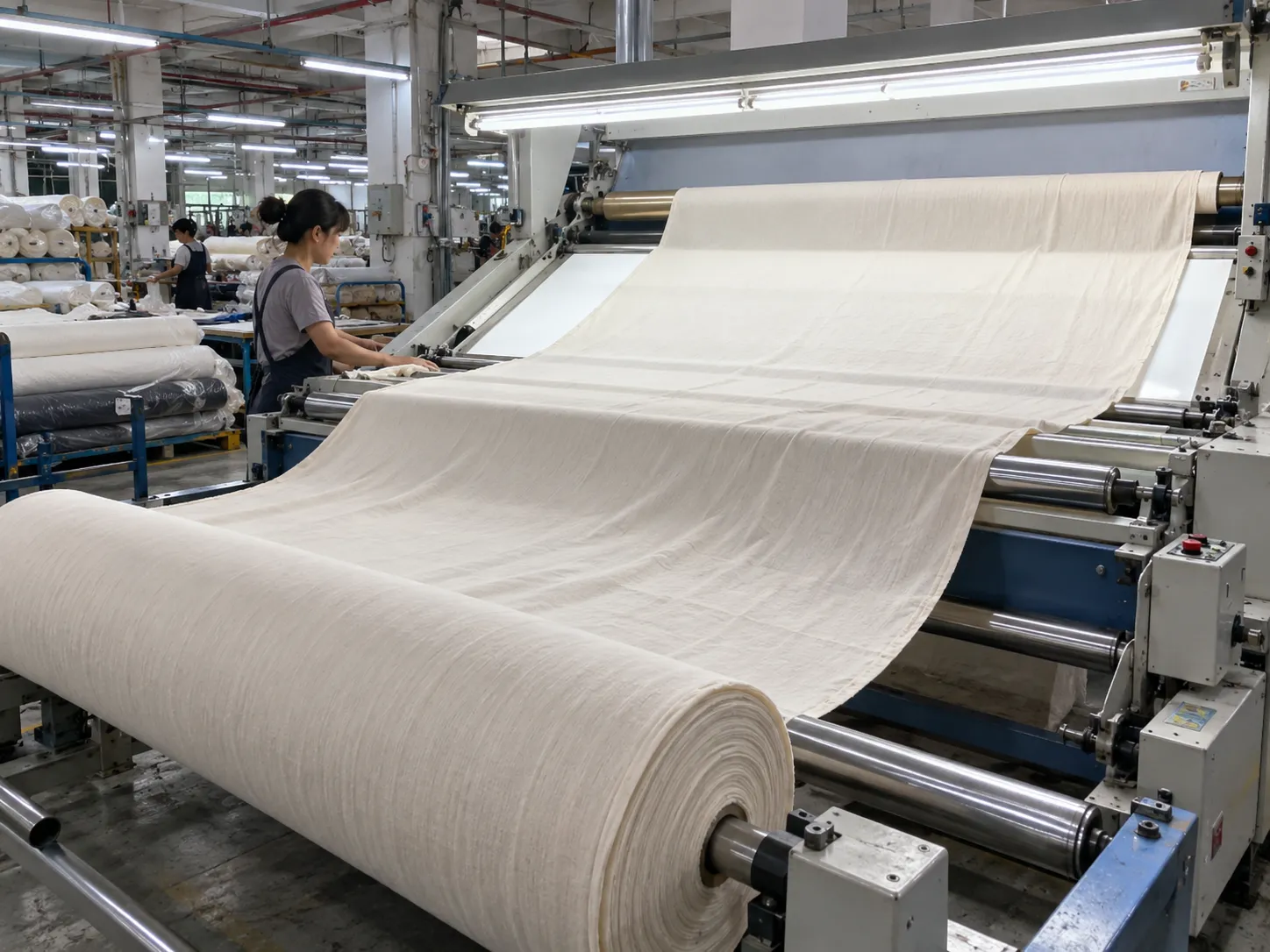
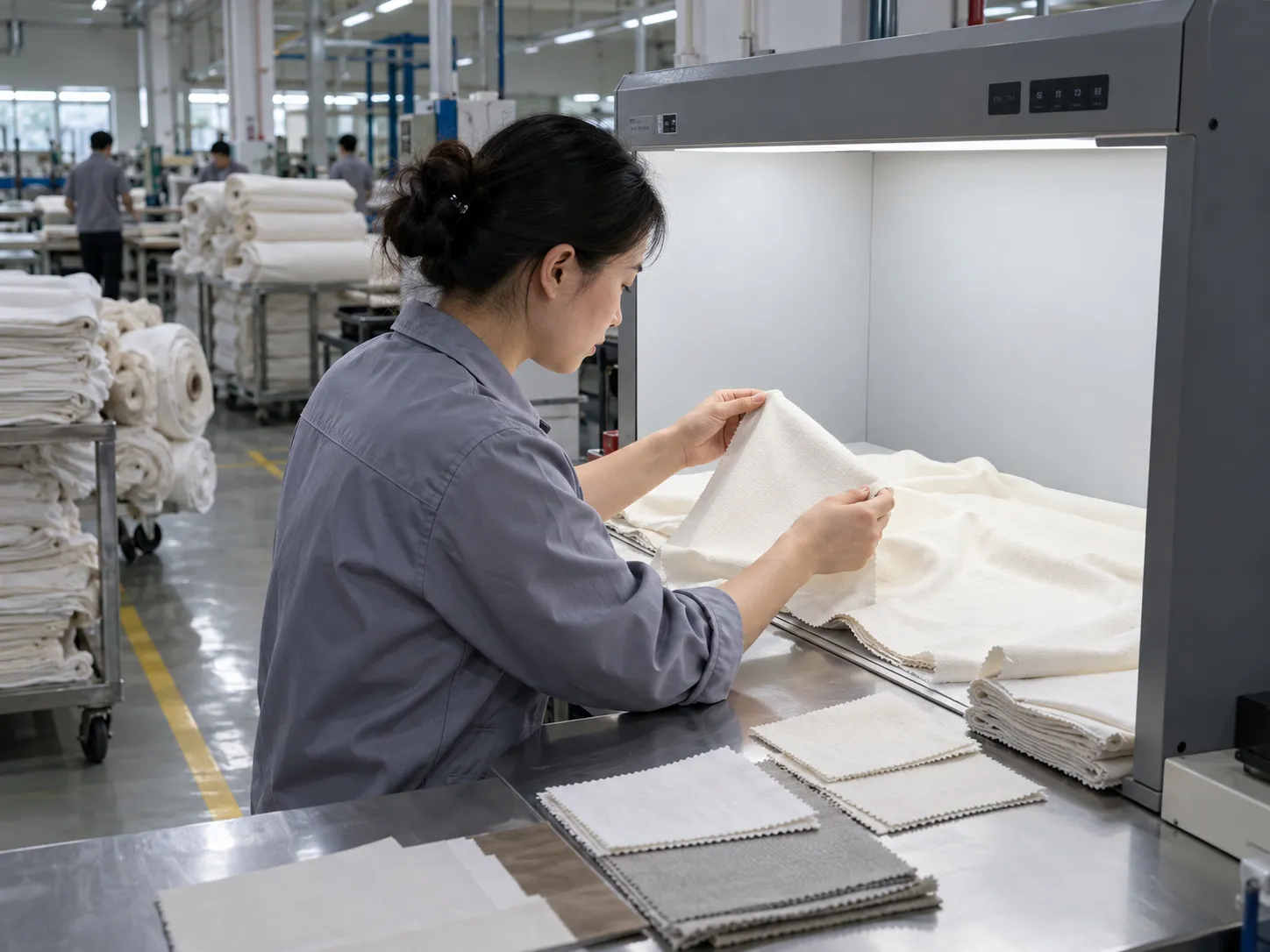
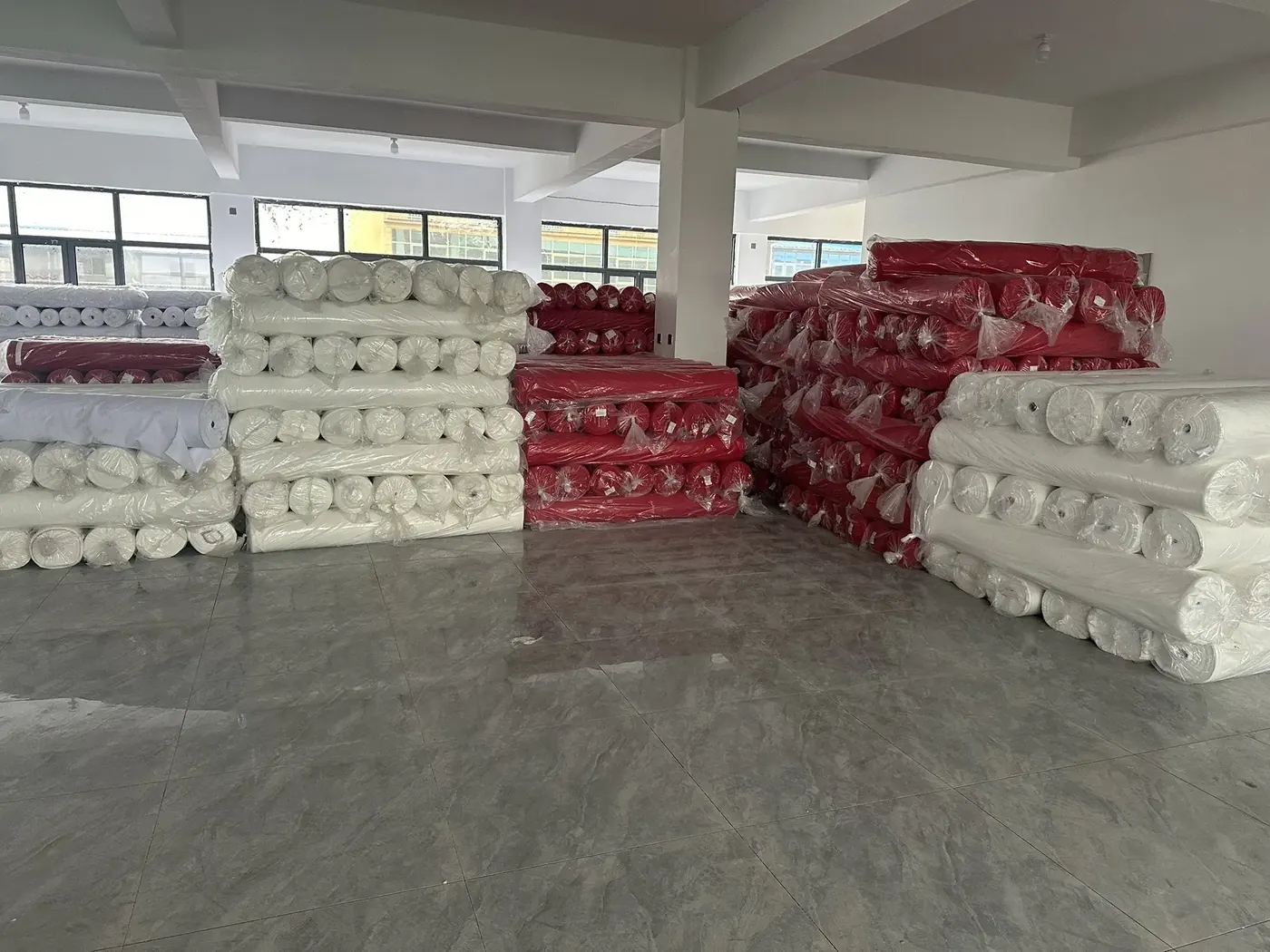
Buyers who come to us for blackout fabric often source several fabrics in one program. These pages use the same order terms — 500 m MOQ, 20–35 days — and can share one container.
Grouped by topic.
Blackout fabric stops 99–100% of light passing through the cloth; room darkening fabric stops roughly 90–99%, so a room is dim but not dark. Blackout uses 2- or 3-pass coating, lamination or a dense triple weave in dark shades; room darkening is usually 1-pass coated or light triple weave.
For soft, washable retail curtains: triple weave. For guaranteed 100% blackout and a white street side: 3-pass coated. For a decorative face such as velvet or linen-look: laminated blackout, or any face fabric sewn to a blackout lining.
3-pass blocks 100% in every colour and has a white back but feels firmer. Triple weave has no coating, no smell and a softer drape, and blocks 97–99% in dark and mid shades, less in very light colours.
No. We are a mill and sell blackout fabric by the roll: MOQ 500 m per order, which can be split across colours of the same article. Retail blackout fabric by the yard is sold by our wholesale customers.
Prices are quoted per meter, based on construction (triple weave, number of coating passes, lamination), width, weight, FR finish and quantity per colour. Send the article or your target spec and we reply within 24 hours.
Yes — swatch cards and approval samples are free; you pay the courier. New developments get a lab dip and a coated trial first.
150 cm standard; 280 and 300 cm extra-wide for railroaded curtains; roller shade fabric in 200, 250 and 300 cm.
Triple weave and dimout are machine washable at 40 °C. Coated fabrics should be washed gently at 30 °C without wringing, or dry cleaned; laminated blackout is dry clean. Care labels are supplied per article.
Yes, partly: the white back reflects sunlight and the foam layers slow heat transfer through the window. We quote thermal performance only from test reports on the specific article.
Yes, FR blackout is available for hotels, offices and public buildings. confirm standards and reports on file
Tell us the construction, light block, width, colours, FR requirement and quantity. We reply with price and lead time within 24 hours.
WhatsApp us