
01Be120–160gsm
Bird-Eye Mesh
2-way stretchSmall round eyelets; soft face, dries fast. The classic sports mesh fabric for team jerseys.
- Weight
- 120–160 gsm
- Open area
- ≈ 8%
- Used for
- Jerseys, polo, sportswear body
We are a mesh fabric manufacturer supplying garment factories and brands with 12 mesh structures — from bird-eye jersey mesh and power mesh to tulle and 3D air mesh — heat-set for sublimation, cut flat on your table and matched roll to roll.
Drag the slider: bigger holes let more air through but leave less yarn to carry load. That trade-off decides which mesh goes where. Illustrative geometry — open area = hole² ÷ pitch²
Most of our mesh goes to garment factories. Each industry fails mesh in a different way, so pick yours and jump to the problems we solve for it.
Every structure is drawn to its real hole geometry. Filter by stretch, thickness or use; hover or tab onto a tile to flip it for weight, open area and typical garments.
Small round eyelets; soft face, dries fast. The classic sports mesh fabric for team jerseys.
Tiny tuck holes — looks almost solid, breathes better than jersey.
Light, open, hard-wearing lining mesh; low stretch keeps lining shape.
Raised cells give body and a dry touch; the standard athletic mesh fabric for court wear.
Diamond holes with firm edges; holds shape on caps and side panels.
Polyester/nylon with 15–25% spandex; strong 4-way stretch and recovery.
Fine hexagonal net; soft or stiff finish depending on the garment.
Two faces joined by monofilament spacer yarns, 2–10 mm thick — cushioning with airflow.
Open top face over a dense back; stable and abrasion-resistant.
Open and closed zones knitted in one piece — airflow exactly where the body needs it.
Fluorescent yellow / orange polyester mesh for EN ISO 20471 and ANSI 107 garments.
Any construction above can be knitted with recycled polyester yarn. No GRS certificate — yarn supplier documents on request
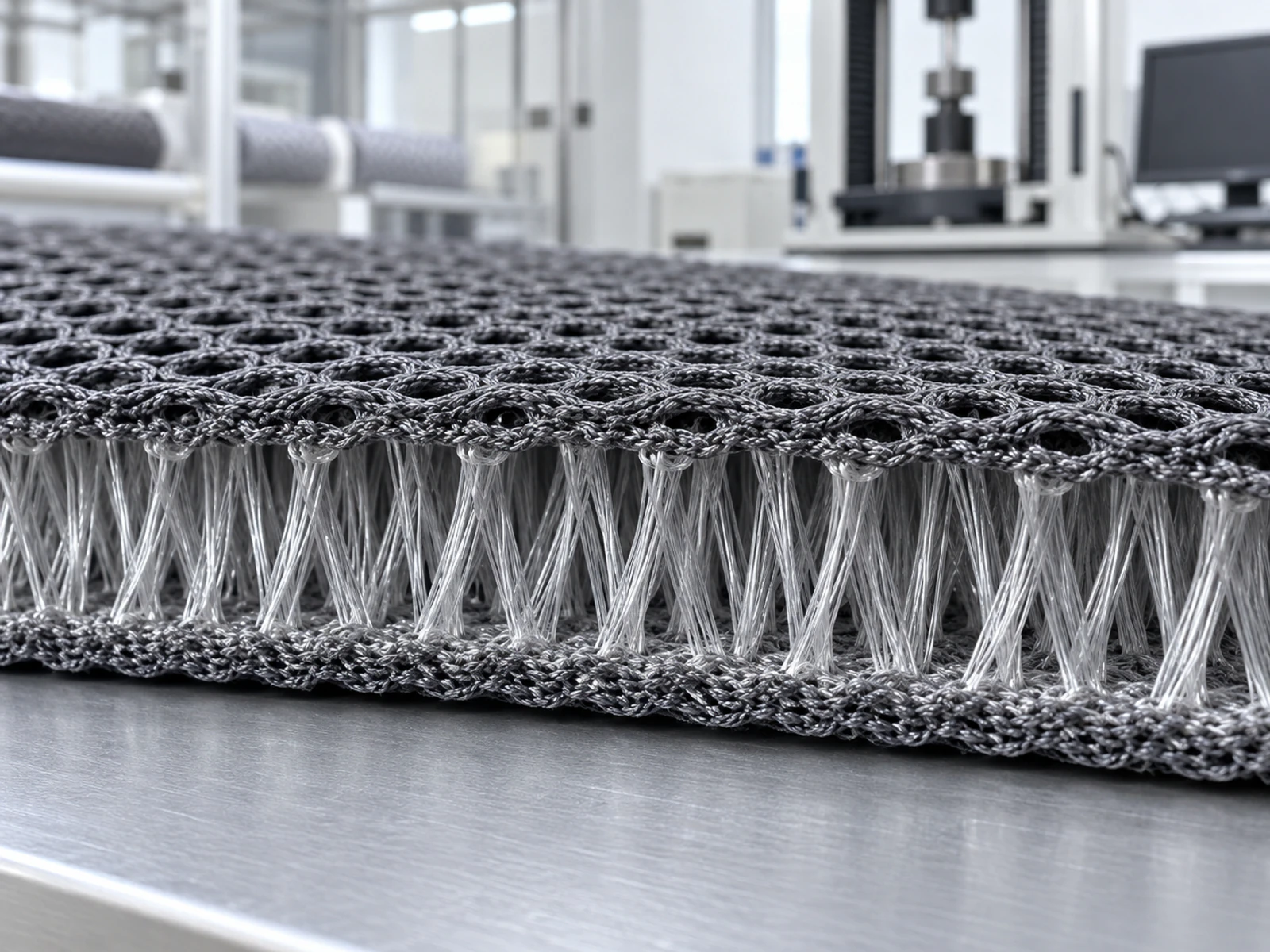
3D air mesh is two knitted faces held apart by monofilament spacer yarns. Thickness gives cushioning; the spacer diameter decides whether it recovers after load. Choose a spacer, set the thickness and press.
Illustration — real values come from a compression test per article
Heavier mesh carries more load; more open mesh breathes more. Most garment meshes sit in the lower-left; 3D meshes sit to the right. Click a point.
120–160 gsm · ≈ 8% open · 2-way stretch
Jerseys, polo, sportswear body
130–180 gsm · ≈ 4% open · 2-way stretch
Polo shirts, tees, school uniforms
60–110 gsm · ≈ 35% open · none stretch
Shorts & jacket linings, pockets
140–200 gsm · ≈ 15% open · 2-way stretch
Basketball jerseys & shorts
80–140 gsm · ≈ 25% open · none stretch
Caps, vest panels, linings
90–180 gsm · ≈ 10% open · 4-way stretch
Shapewear, sports bras, lingerie
20–40 gsm · ≈ 45% open · none stretch
Skirts, dresses, veils, overlays
200–450 gsm · ≈ 20% open · none stretch
Backpack straps, shoe collars, chair seats, protective pads
250–400 gsm · ≈ 15% open · none stretch
Shoe uppers, bag back panels
120–220 gsm · ≈ 15% open · 2-way stretch
Engineered sports panels, shoe uppers
100–130 gsm · ≈ 20% open · none stretch
Safety vests, traffic and event wear
80–200 gsm · ≈ 15% open · 2-way stretch
Brand lines needing recycled content
Body-zone mapping, garment specs and the cutting-room problems we fix before the fabric reaches you.
Click a zone
One jersey often uses three meshes. We map each zone to the structure that solves its problem — sweat, chafing, cling or bagging — so your pattern maker and our knitter speak the same language.
Front body sweats less than the back but must look solid for printing and team logos.
Highest sweat zone; panels need maximum airflow and must not chafe.
Heat builds between the shoulder blades; engineered jacquard opens only where needed.
Needs coverage and recovery; tucks into shorts and must not ride up.
Court shorts need body, dry touch and a classic mesh look.
Liner holds and supports; must stretch and recover all day.
Written the way a garment factory needs it: what to order, which cutting and pressing problems we prevent at the mill, and what to tell the sewing line.
Bird-eye mesh 140 gsm, white, heat-set, width 170 cm cuttable, shrink ≤ 2% at 195 °C / 30 sHexagonal mesh 110 gsm for side panels, shade to match body fabric lot ___Hexagonal lining mesh 80 gsm, shrinkage ≤ 3% L/W, no laddering from cut edgePower mesh 140 gsm, 80/20 poly/spandex, 4-way, growth ≤ 5% (ASTM D2594)Soft polyester tulle 30 gsm, width 300 cm, color matched to lab dip ___Diamond mesh 120 gsm, firm finish, perspiration fastness ≥ 4 (ISO 105-E04)Same knitting floor, different failure modes — abrasion, delamination, sag and compliance.
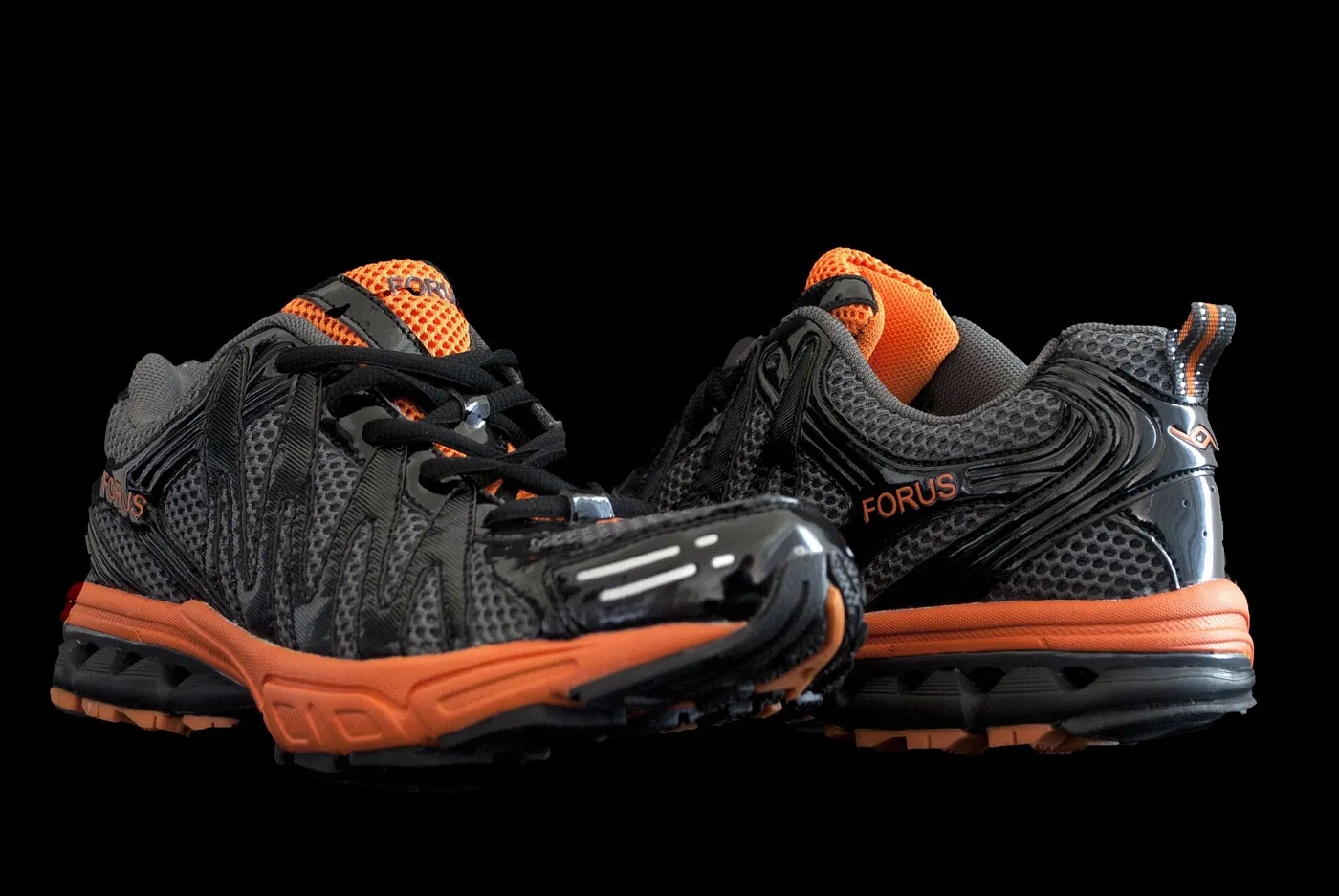
A mesh upper is a stack of layers. Most failures happen between them. Hover a layer to open the stack.
Problem: toe and flex zone wear through. Fix: denser sandwich face, abrasion tested (Martindale) and TPU overlays where it rubs.
Problem: film peels after flexing. Fix: mesh face chosen for bonding, peel strength tested on your film and press settings.
Problem: collar padding goes flat. Fix: spacer monofilament matched to load, 3–5 mm, compression recovery checked.
Problem: heel slips and the shoe smells. Fix: brushed or high-grip lining mesh with antimicrobial finish.
A flat back panel presses fabric against the back; 3D air mesh keeps a channel open. Drag the divider to compare.
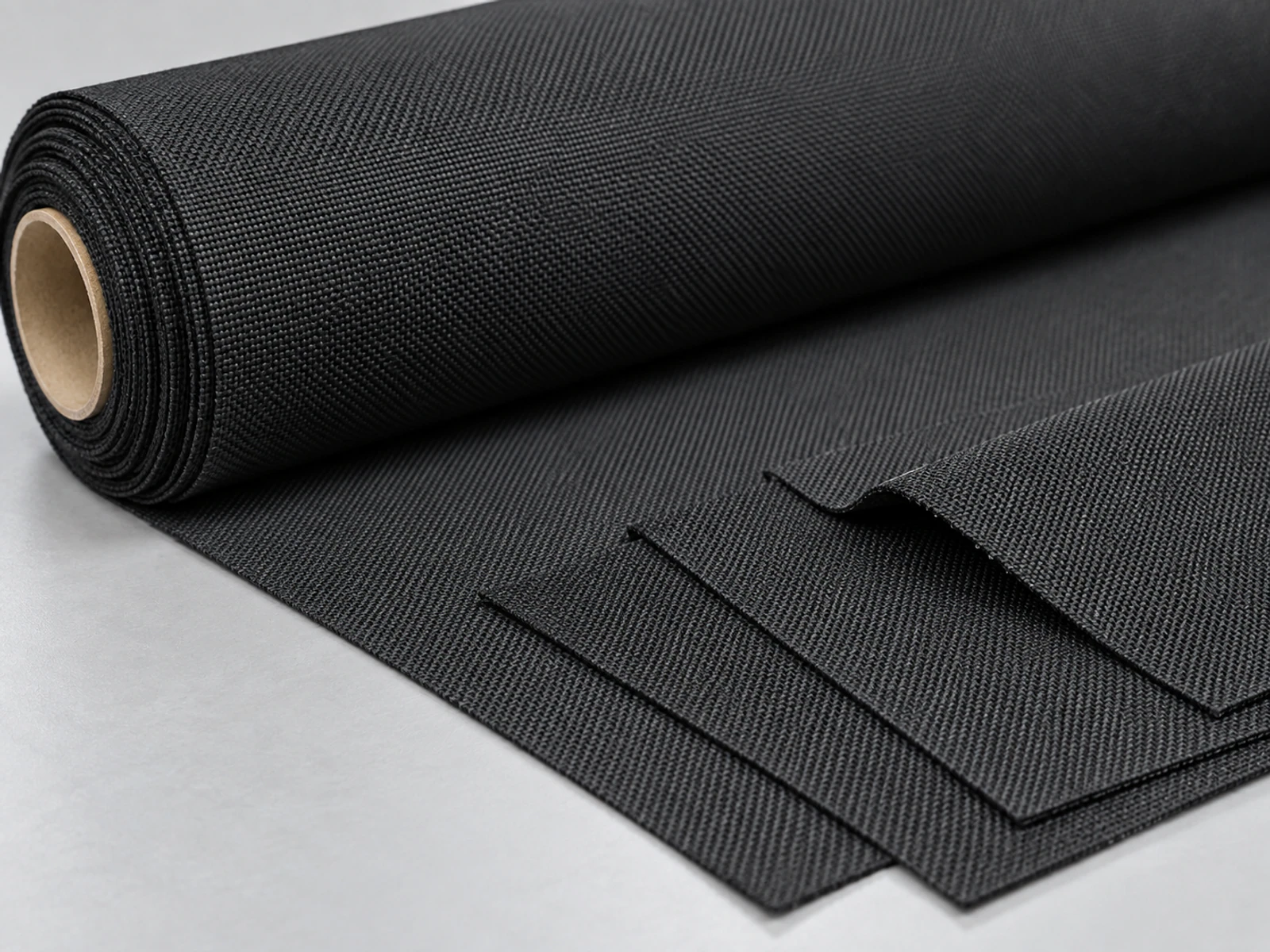
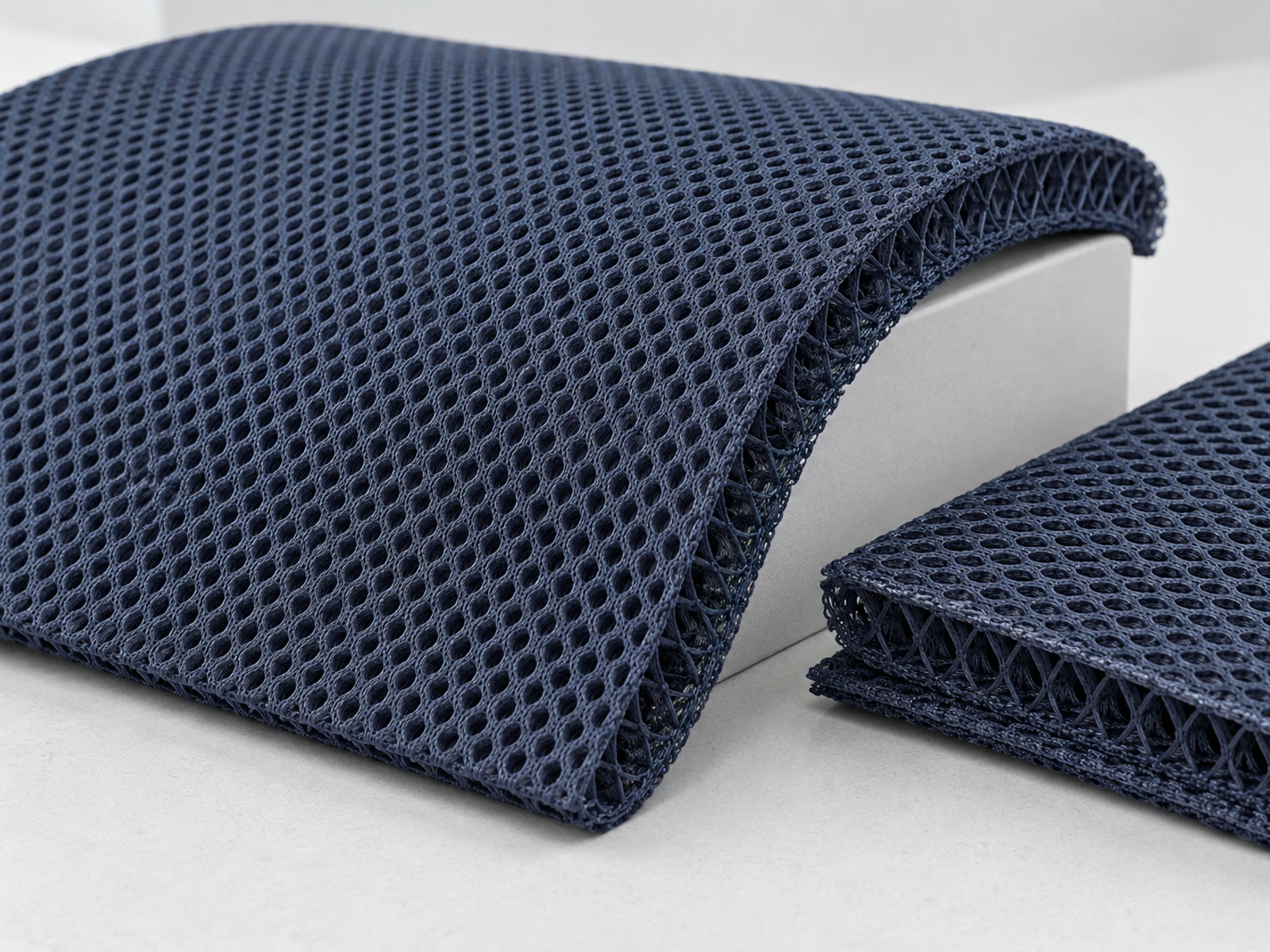
Seat mesh is under load for years and in the sun. Switch between office chair and car seat to see which requirement applies.
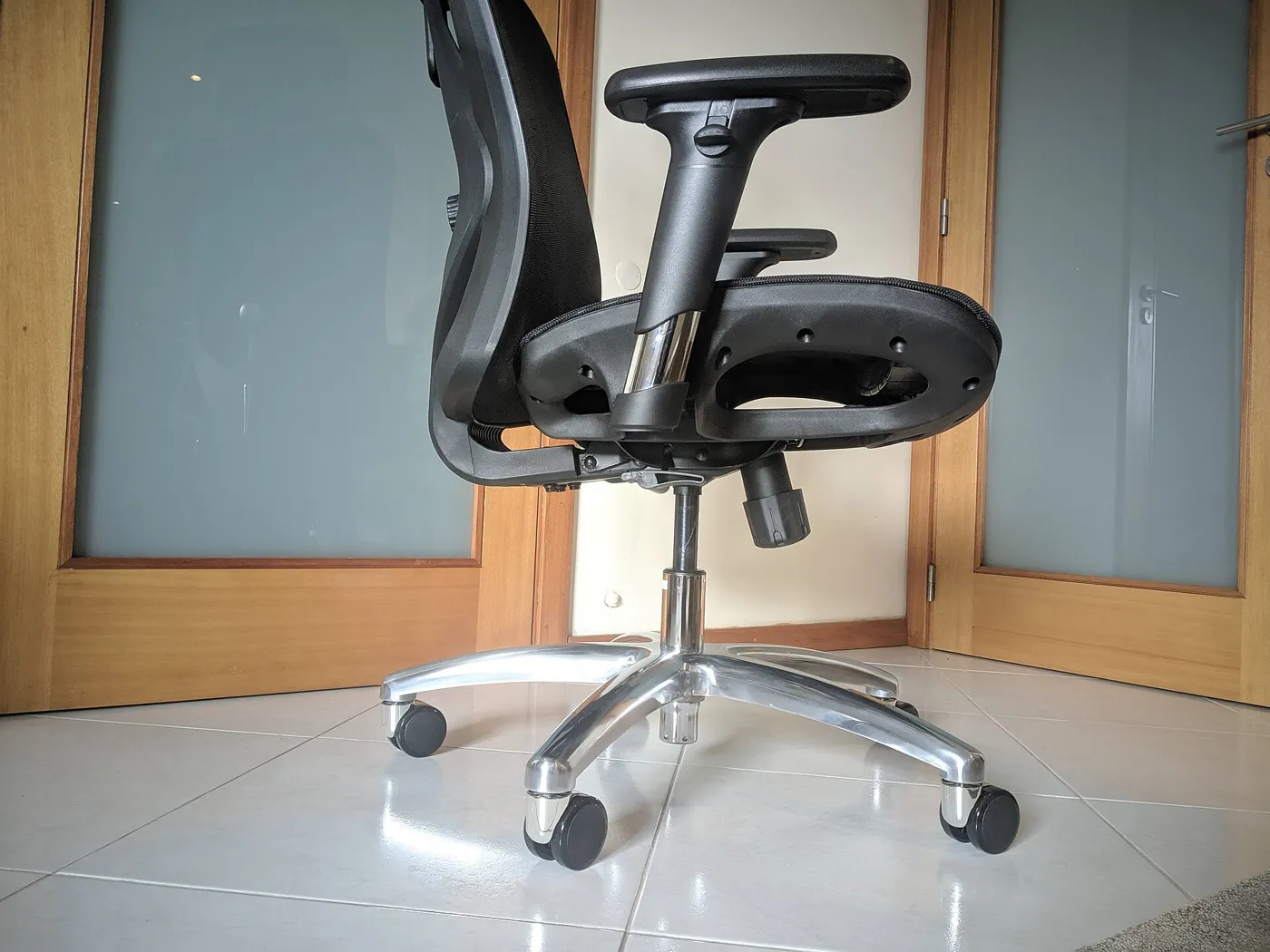
Needle = our typical result; please confirm per article before quoting
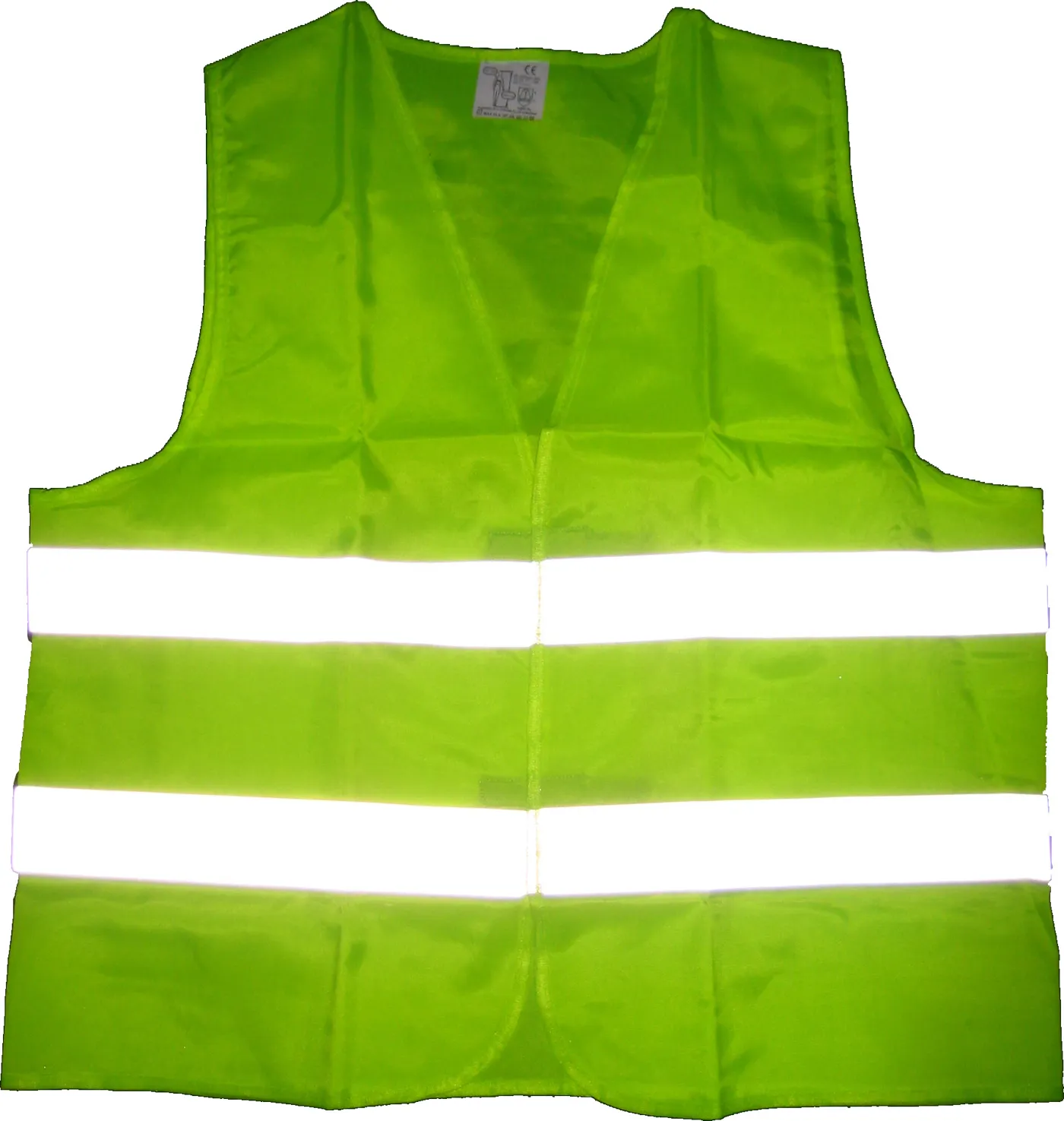
Utility mesh is bought by the container. Price matters, but so does passing the standard the end product is sold under.
| Use | Standard | We supply |
|---|---|---|
| Hi-vis vests | EN ISO 20471 · ANSI/ISEA 107 | Fluorescent yellow / orange mesh 100–130 gsm chromaticity report — confirm |
| Laundry & wash bags | Burst · seam strength | Hexagonal / diamond mesh 60–90 gsm, white |
| Event & banner mesh | NFPA 701 / B1 | FR knitted mesh, wide 300 cm |
| Mosquito & insect nets | Hole count / inch² | Fine polyester net, 156 holes/in² confirm |
| Sports nets & bibs | Colorfastness · burst | Bird-eye / large-hole mesh in team colors |
Need mixed articles? Mesh fabric wholesale orders can combine several structures and colors in one container once the total reaches the MOQ.
What goes wrong with mesh, which finish prevents it, and how to write it down.
Darker cells = that industry is hit hardest by the problem. Click a cell or a problem for the cause, our control and the result to write in your PO.
Tick the functions. Each adds a treatment layer, a test standard and finishing days to the lead time.
These are the fields our mesh fabric manufacturer team needs to quote. Fill what you know; the spec line updates as you go and drops into the quote form.
—A stock structure in your color moves fast; a new structure needs a knit-down first. Switch to compare.
Ready to ship around day 33 — inside our 20–35 day bulk window after approval for stock structures.
This is the report layout you receive. Tolerances are agreed at approval and printed on it, so your QC team checks against the same numbers.
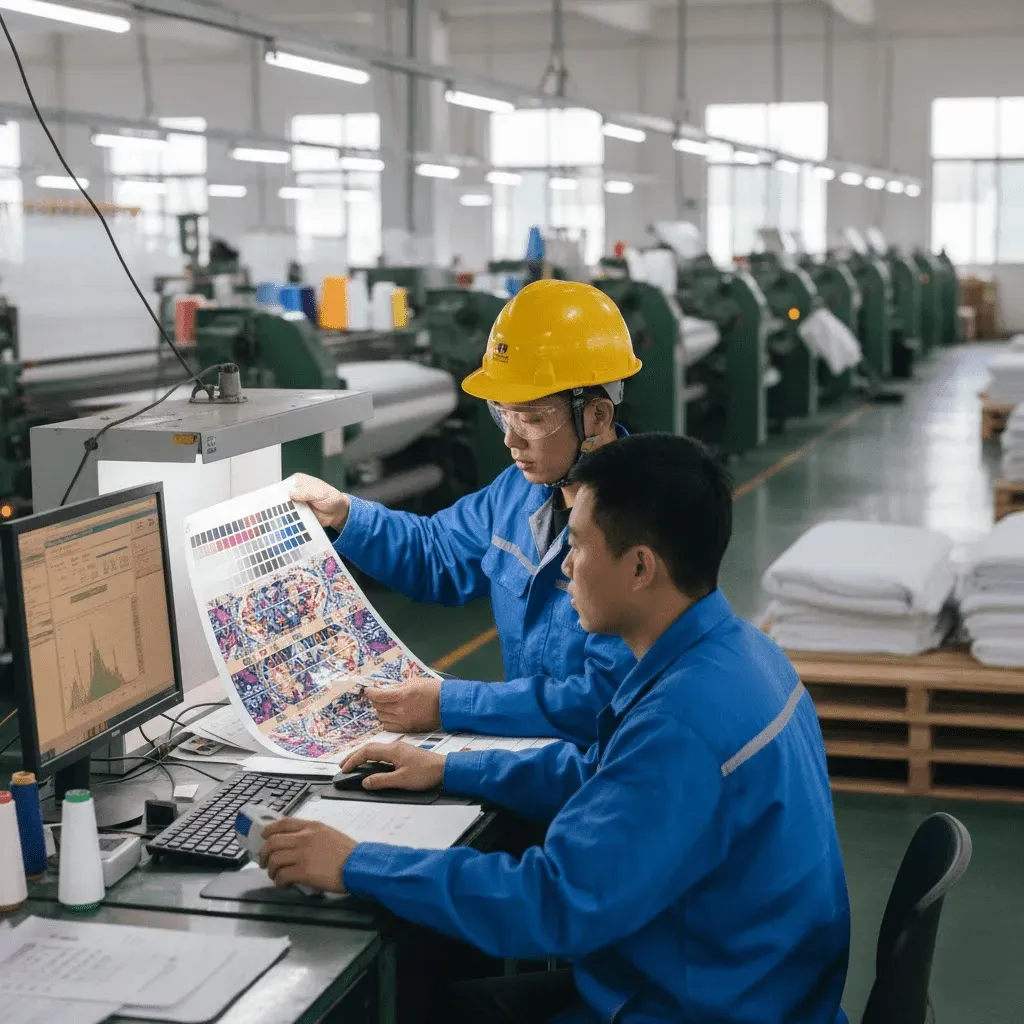
| Test | Method | Requirement | Result | |
|---|---|---|---|---|
| Bursting strength | ISO 13938-2 | Set per use, e.g. ≥ 250 kPa | ________ | P / F |
| Stretch & recovery | ASTM D2594 | Growth ≤ 5% (power mesh) | ________ | P / F |
| Snagging | ASTM D3939 | Grade ≥ 3–4 | ________ | P / F |
| Pilling | ISO 12945-2 | Grade ≥ 3–4 | ________ | P / F |
| Colorfastness — wash / rub | ISO 105-C06 / X12 | ≥ 4 / ≥ 3–4 | ________ | P / F |
| Colorfastness — perspiration | ISO 105-E04 | ≥ 4 | ________ | P / F |
| Dimensional stability | AATCC 135 · heat press 195 °C | ≤ 3% wash · ≤ 2% press | ________ | P / F |
| Air permeability | ISO 9237 | Reported in mm/s | ________ | P / F |
| Weight & width | ISO 3801 / ISO 22198 | ± 5% · ± 2 cm | ________ | P / F |
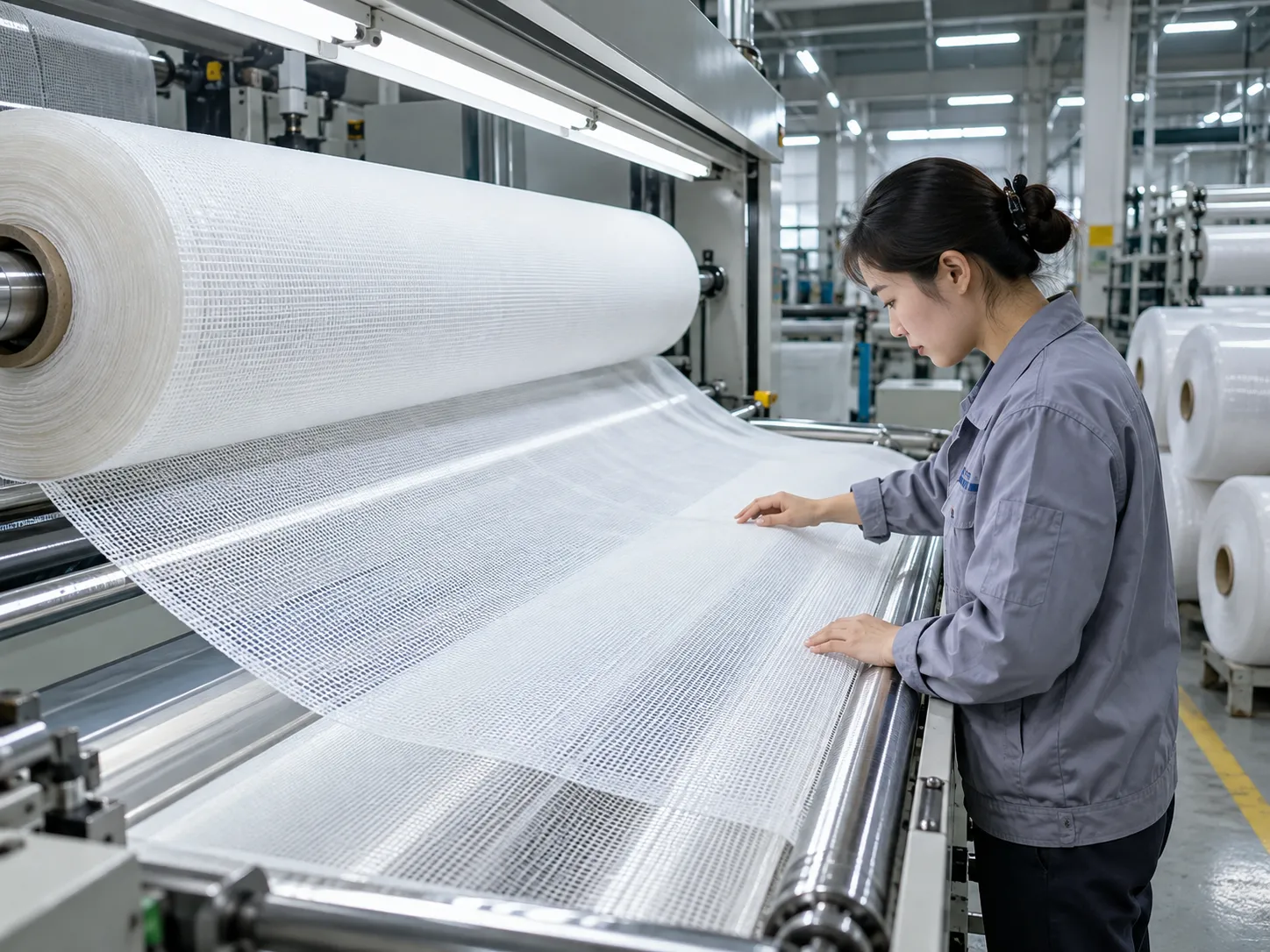
Mesh quality is decided on three machines: the warp-knitting machine sets the structure, the dye house sets the shade and the stenter sets width and shrinkage.
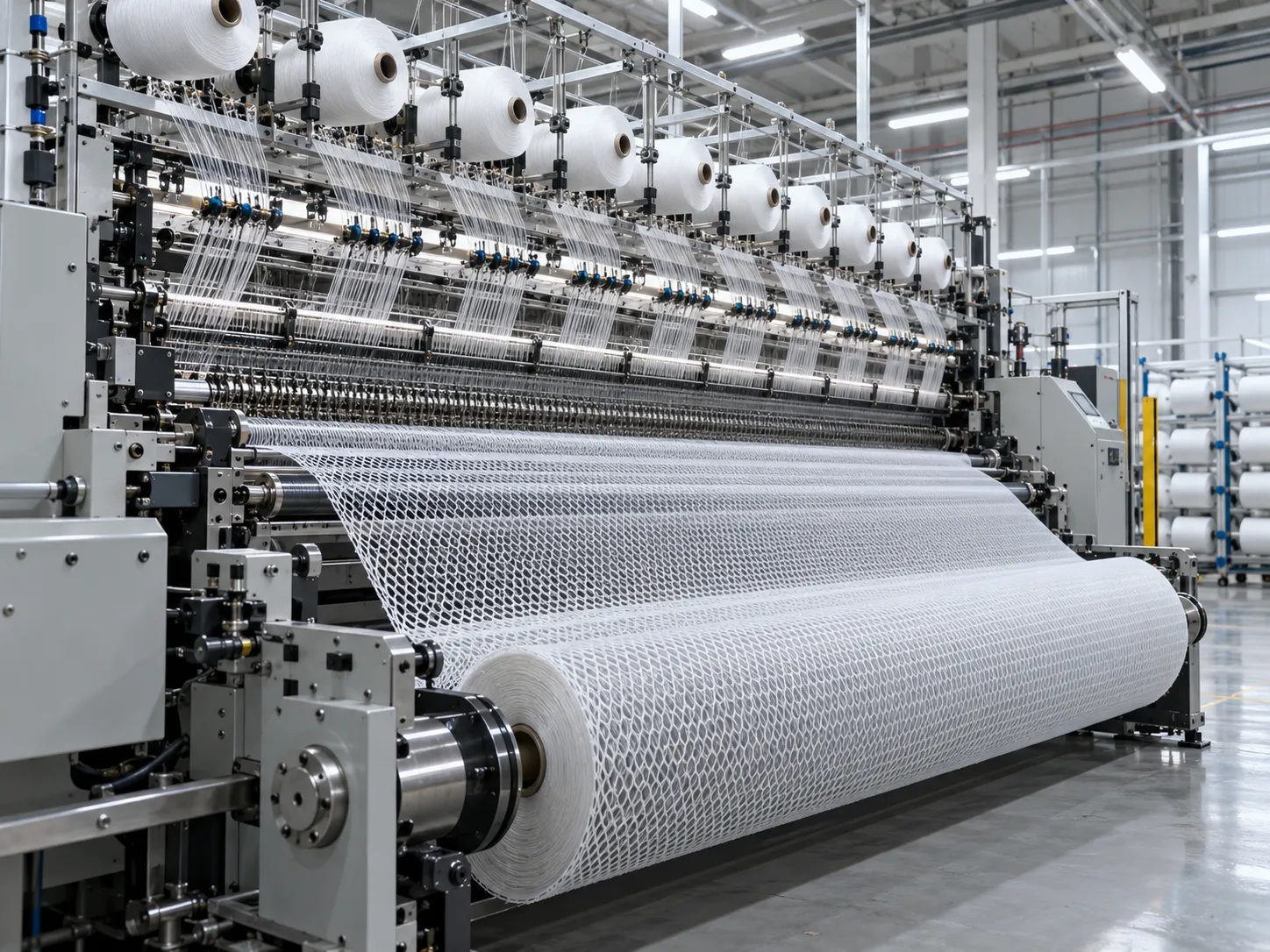
Buyers who come to us for polyester mesh fabric often source several fabrics in one program. These pages use the same order terms — 5,000 m or 500 kg MOQ, 20–35 days — and can share one container.
14 questions
5,000 meters or 500 kg per order. Several colors of the same structure can share that total.
Yes. For mesh fabric wholesale orders, different structures and colors can be loaded in one container once the total meets the MOQ.
20–35 days after approval for stock structures; add 10–14 days for a new structure knit-down.
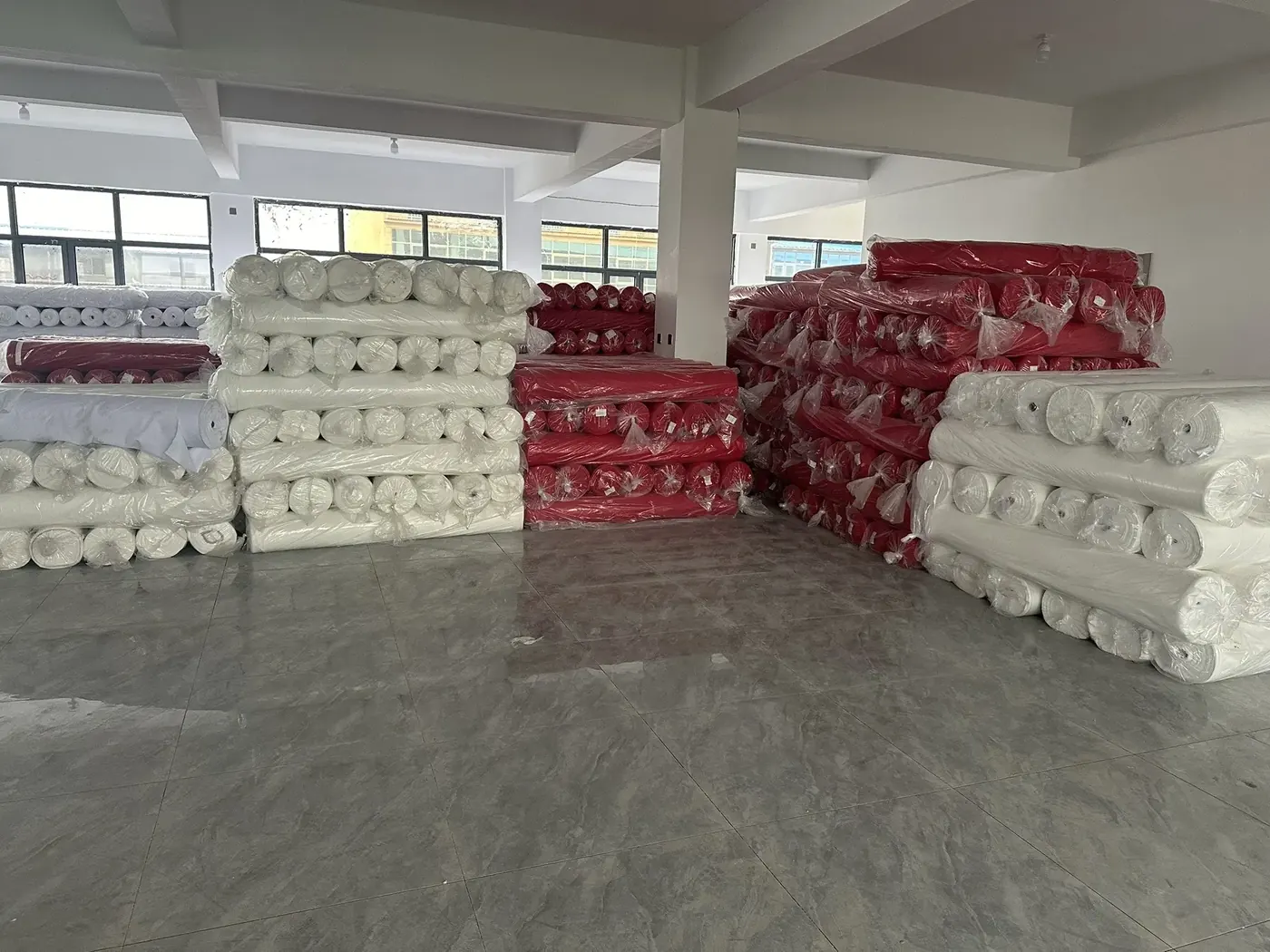
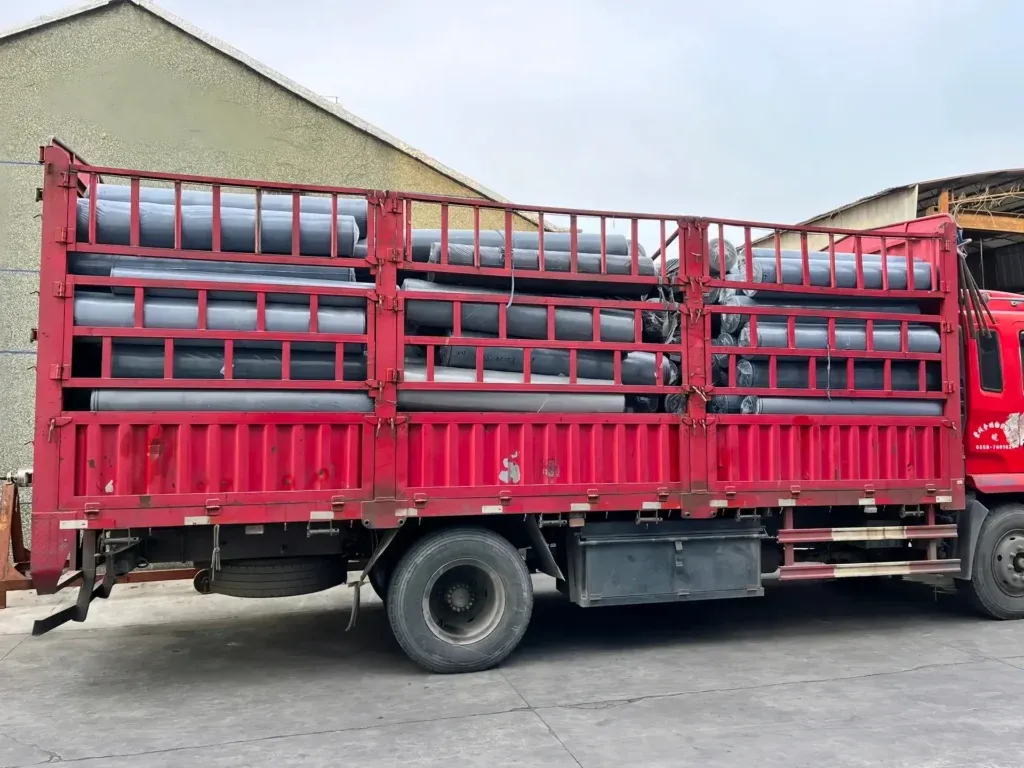
Each mesh fabric roll is wound flat on a tube, poly-bagged and labelled with article, lot, shade and meters. Roll length varies with width, weight and composition.
Yes — we supply white PFP (prepared-for-print) bases heat-set above press temperature, so shrinkage on the press stays within 2%.
They are used for the same thing. Buyers say sports mesh fabric for jerseys and team wear (bird-eye, honeycomb) and athletic mesh fabric for training and court wear; we supply both under the same specs.
Air mesh fabric is a 3D spacer mesh: two knitted faces joined by monofilament yarns, 2–10 mm thick. It cushions and breathes, so it is used for backpack panels, shoe collars and chair seats.
Knit tension pulls cut edges into a roll. We heat-set mesh flat on the stenter and wind rolls under controlled tension so it lies flat on your cutting table.
Yes, polyester or nylon power mesh with 15–25% spandex for shapewear, sports bras and liners, tested for stretch and recovery.
We can knit most structures with recycled polyester yarn. We do not hold a GRS certificate; yarn supplier documents are available on request.
Swatches of existing structures are free; you pay the courier. New structures are knitted as a free sample after you approve the tech pack — you only pay the courier.
Yes — lab dips in 5–7 days, with a shade band approved per dye lot.
Yes, fluorescent yellow and orange for EN ISO 20471 / ANSI 107 garments; chromaticity is checked per lot. Please confirm test report availability
Yes. Send the body fabric or its lab dip; mesh panels are approved against it under D65 light.
No question matches — ask us directly.
Send a tech pack, a photo or a swatch description. We reply with structure, price and lead time within 24 hours.
WhatsApp us