
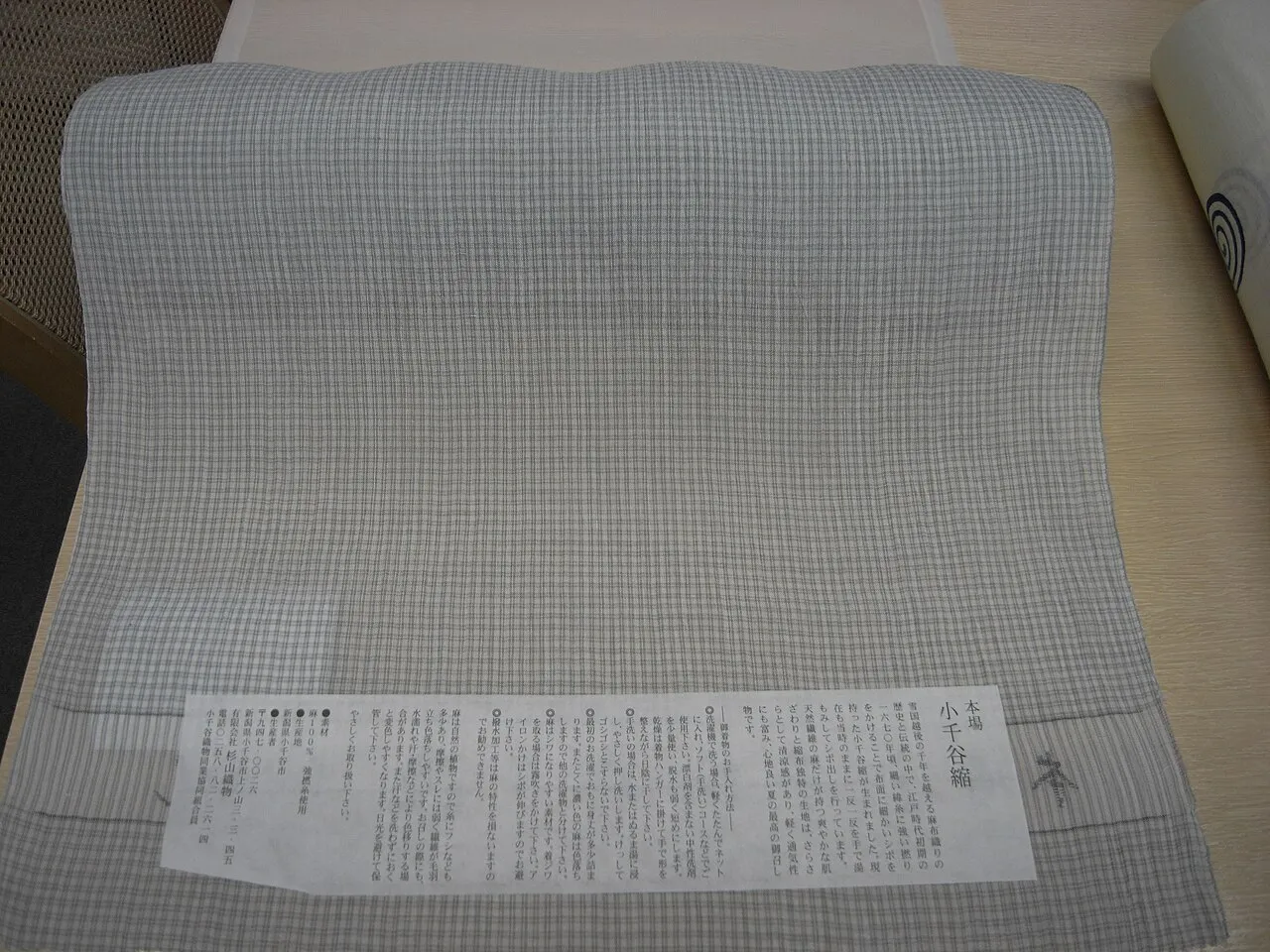
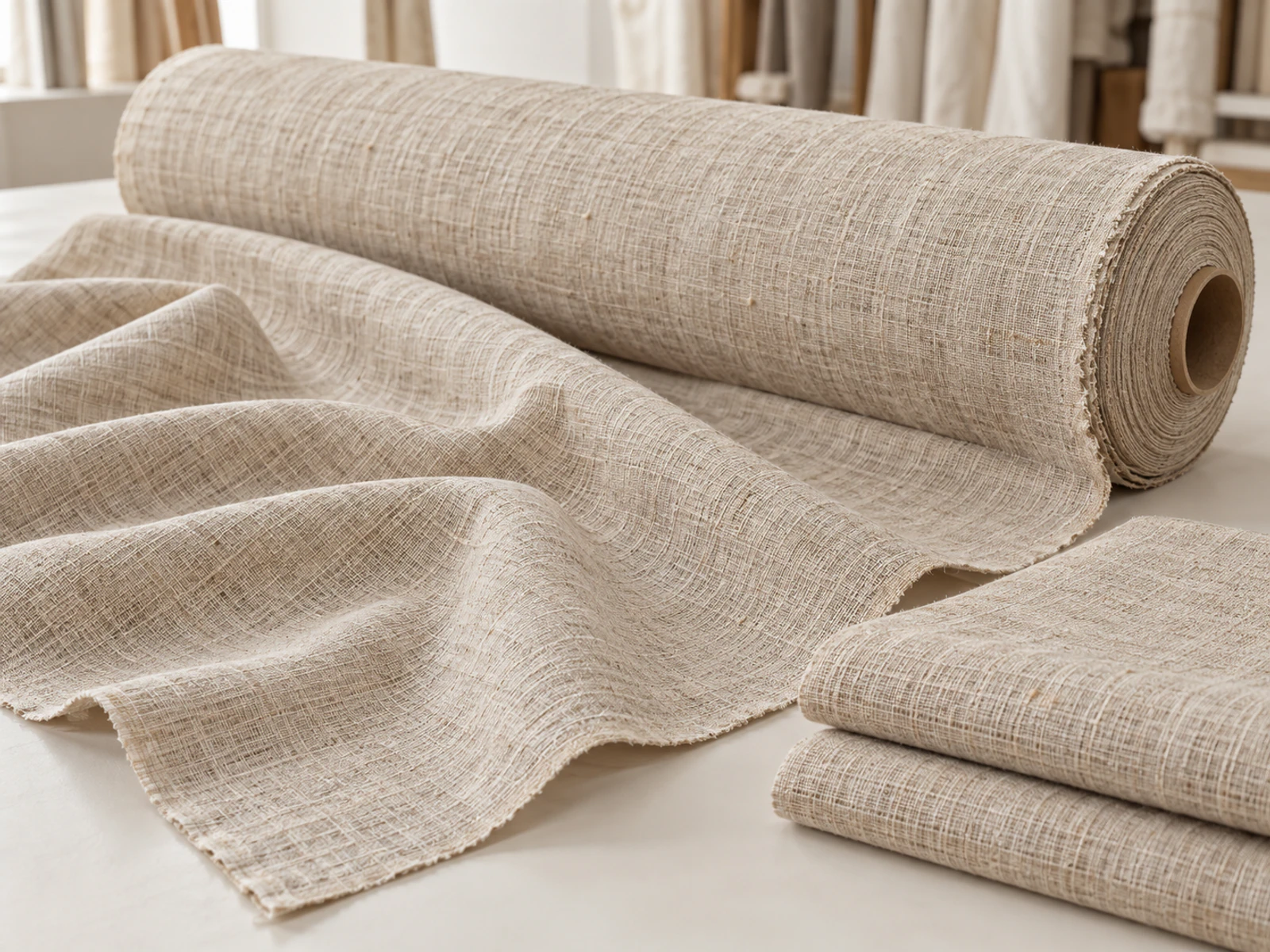
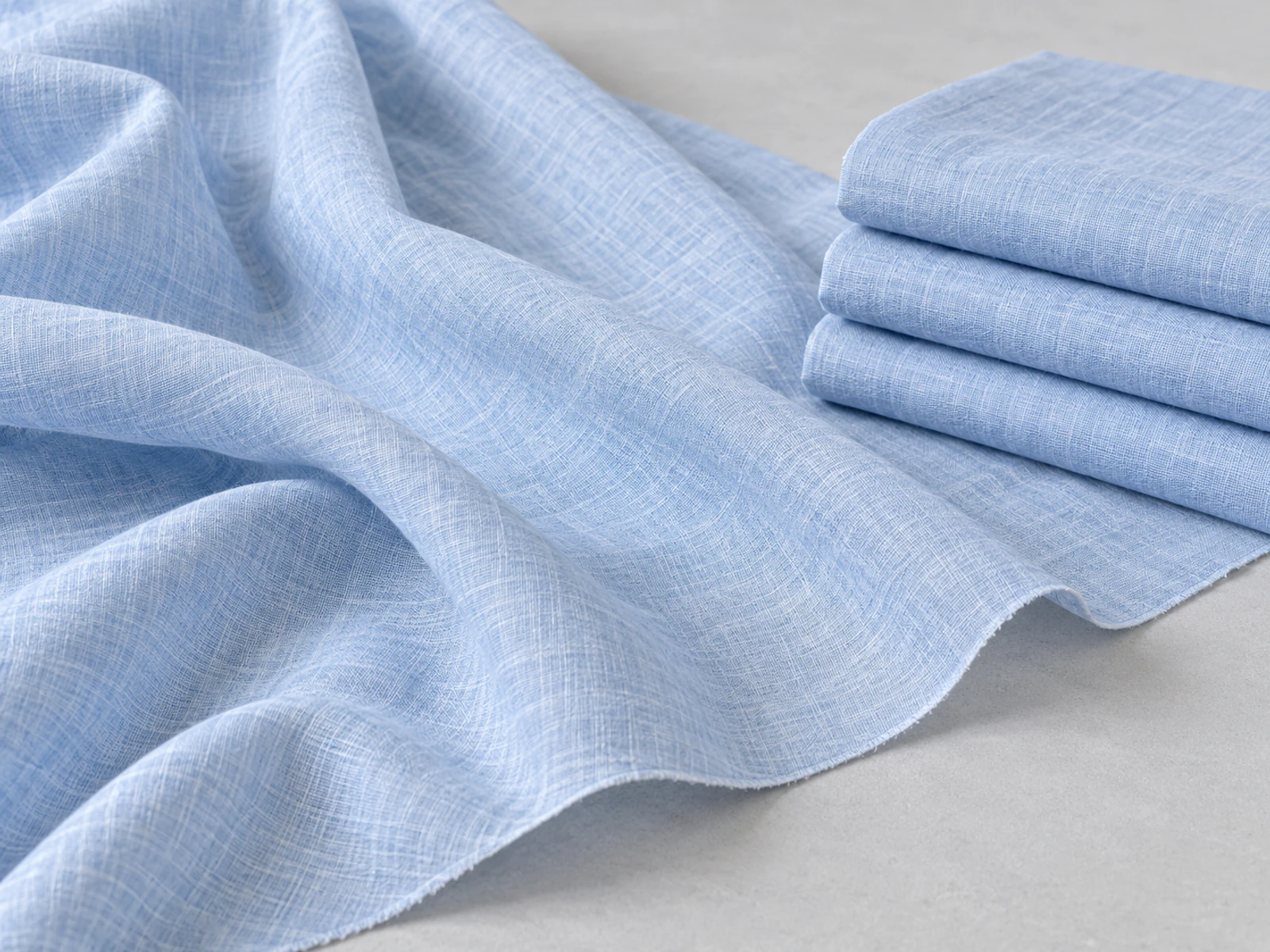
100% linen
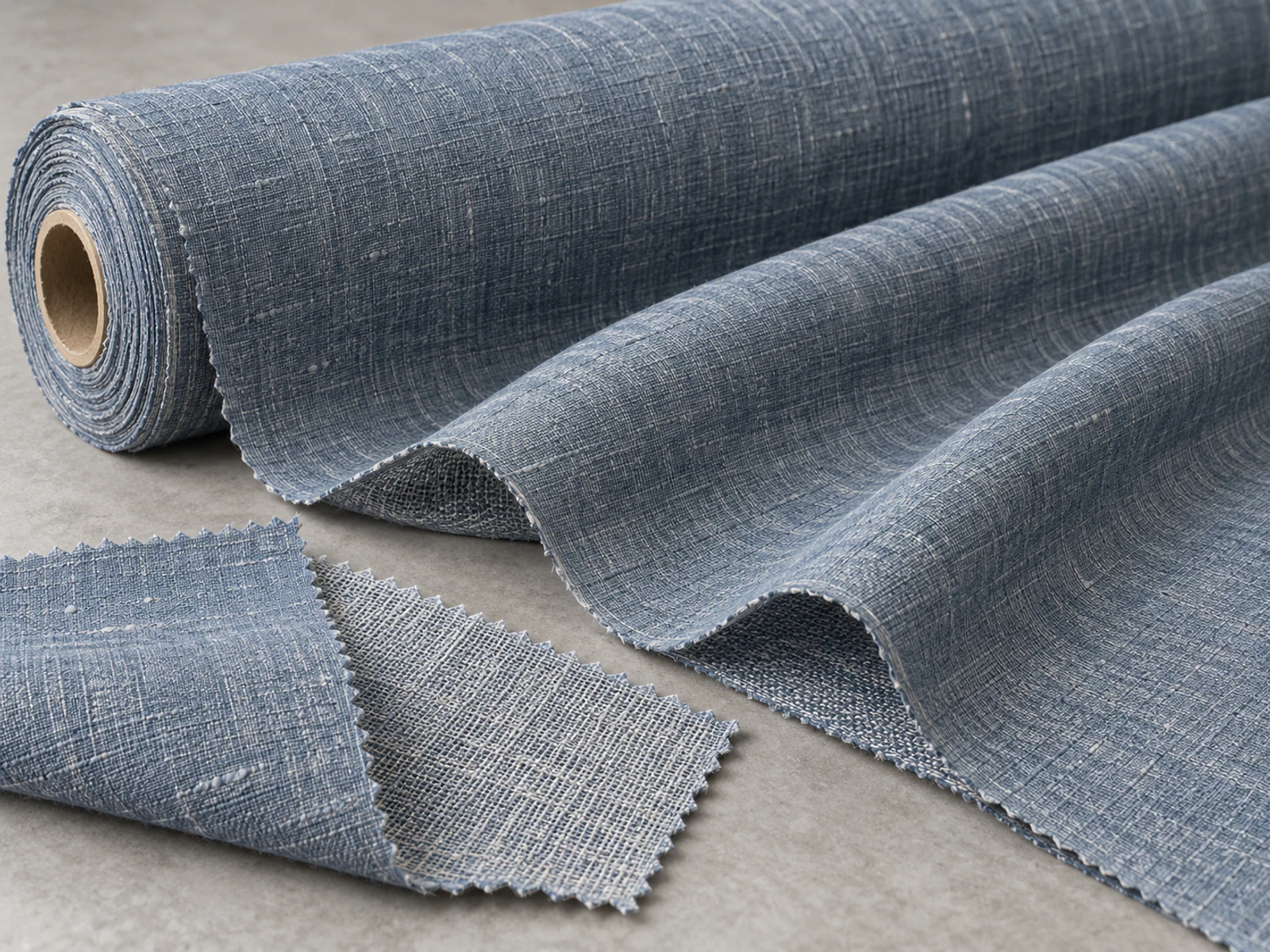
Pure Linen Plain
14s–21s · 150–200 gsm · 150 cm
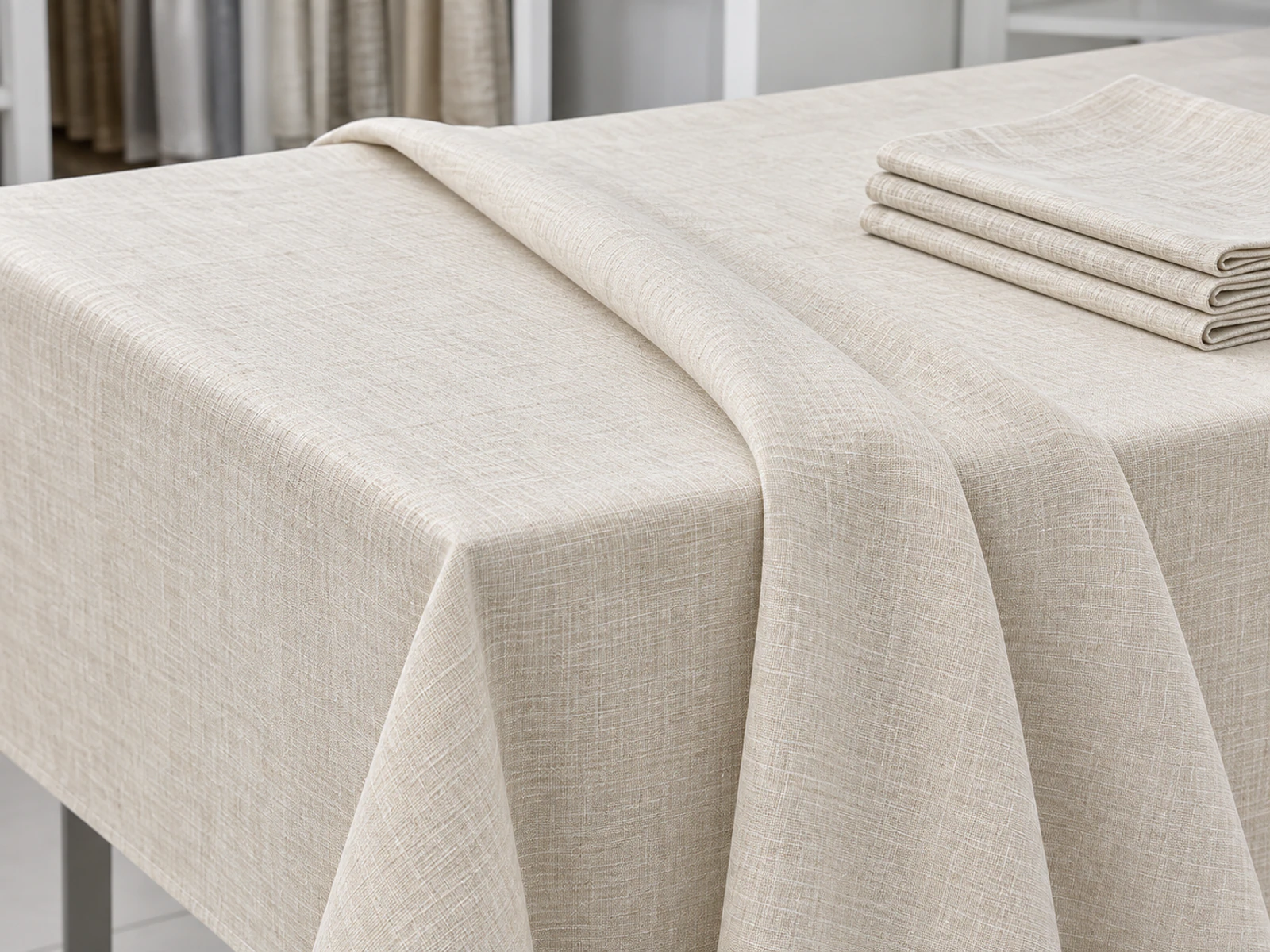
Shirts, dresses, bedding, table linen
Specify: Shrinkage after wash (pre-shrunk or not)
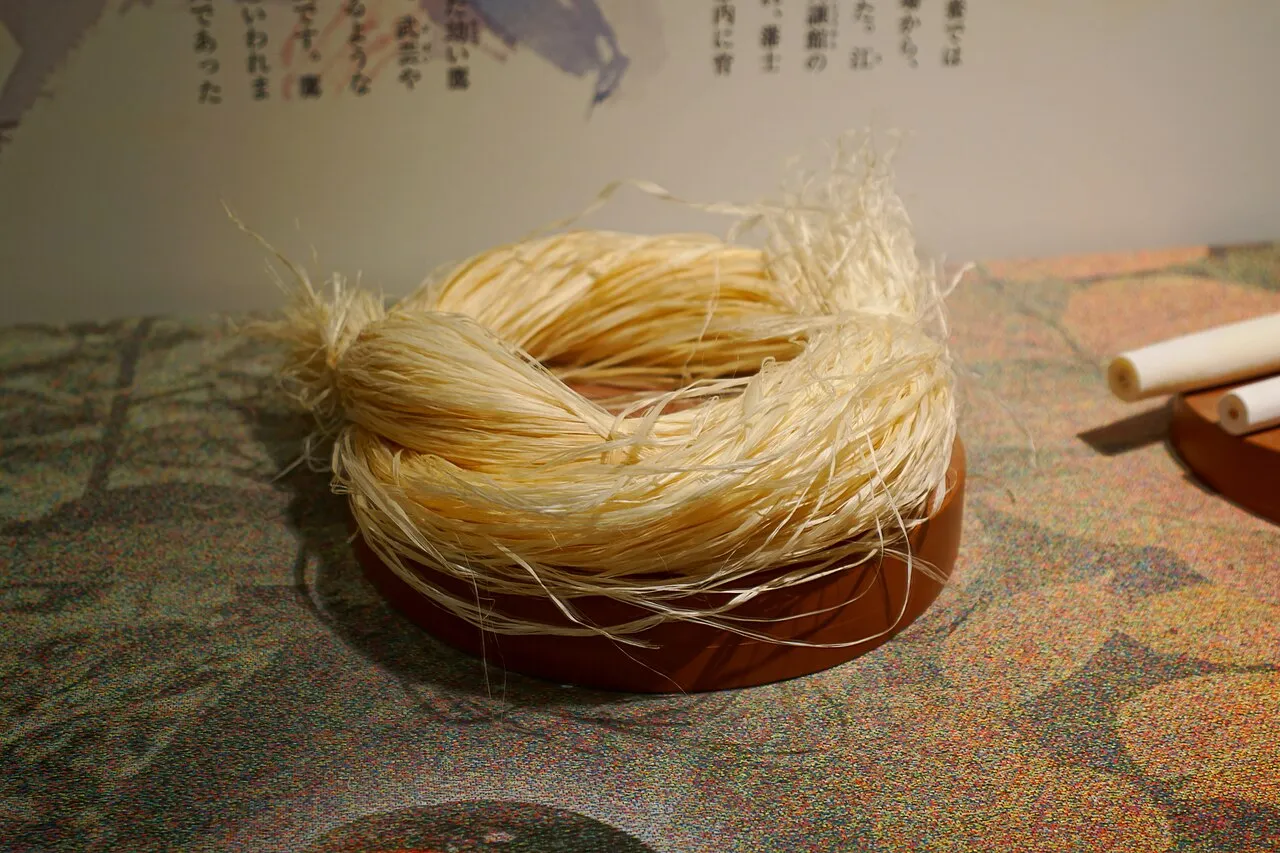
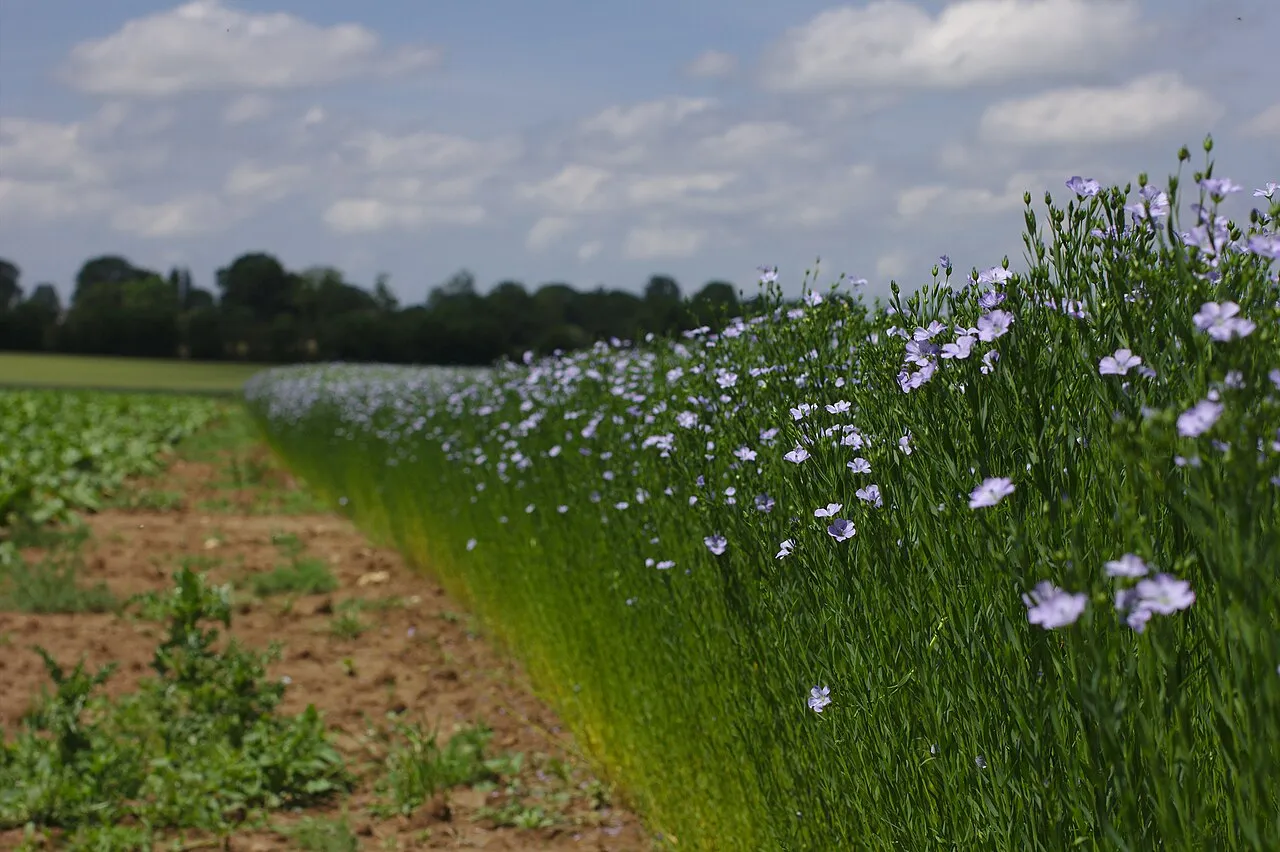
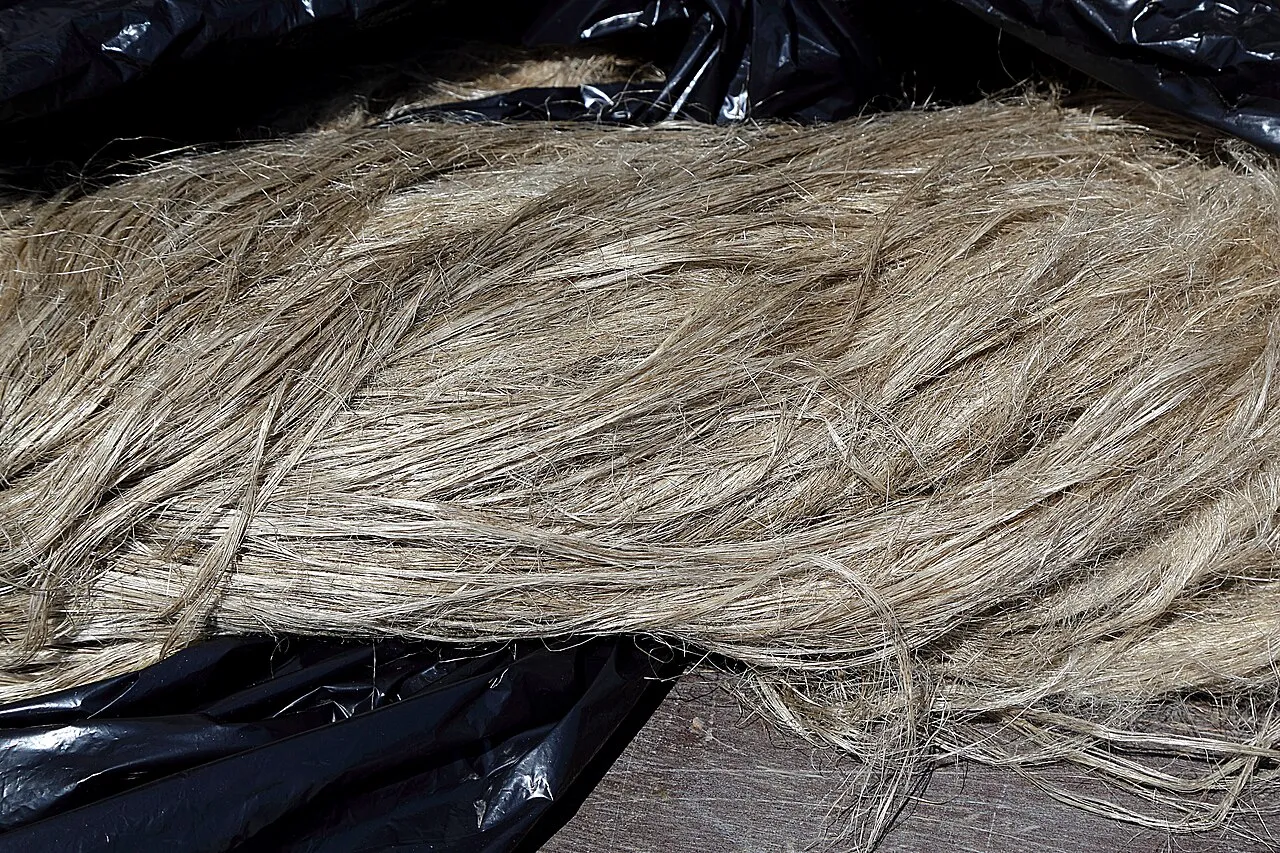
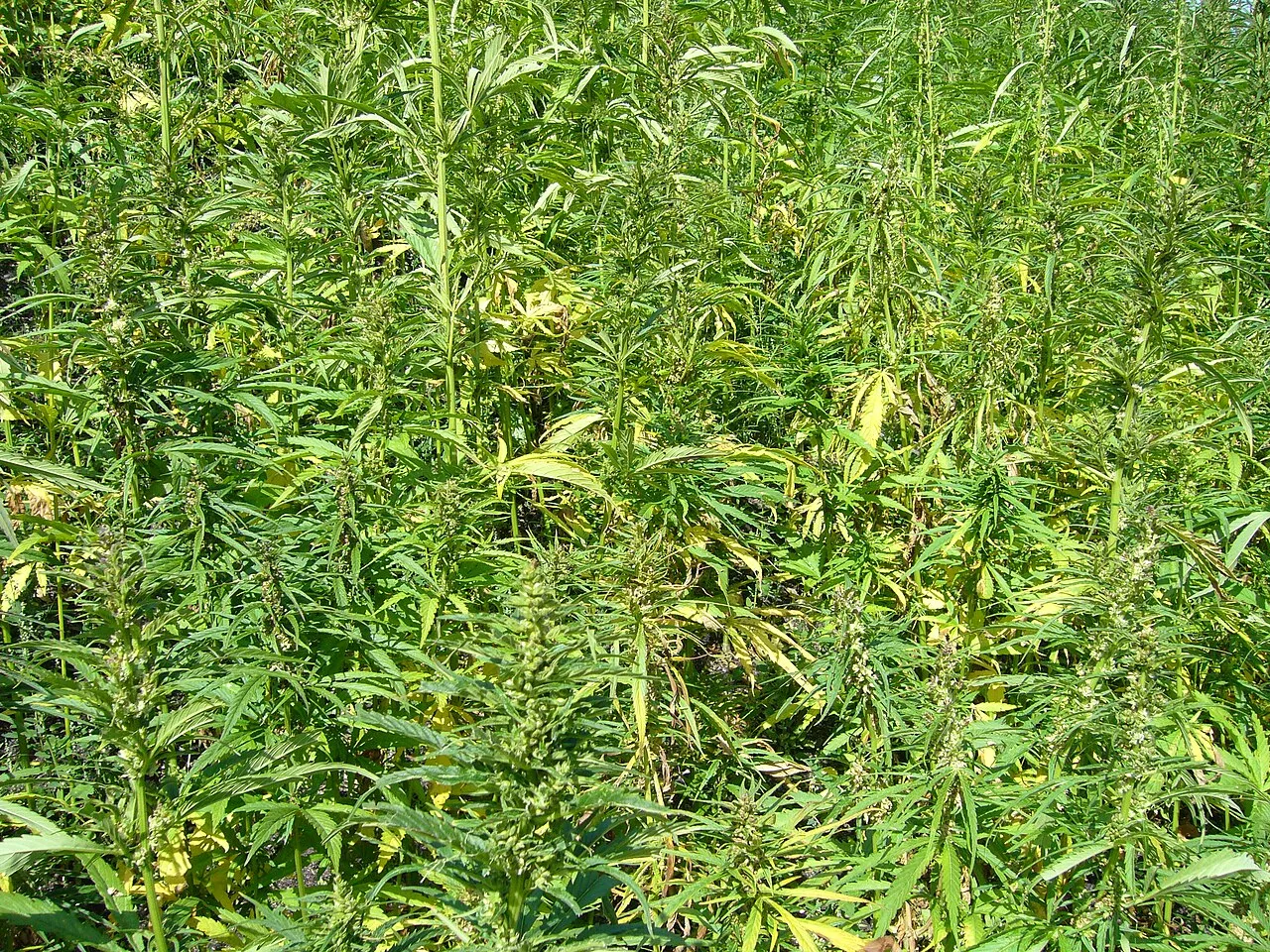
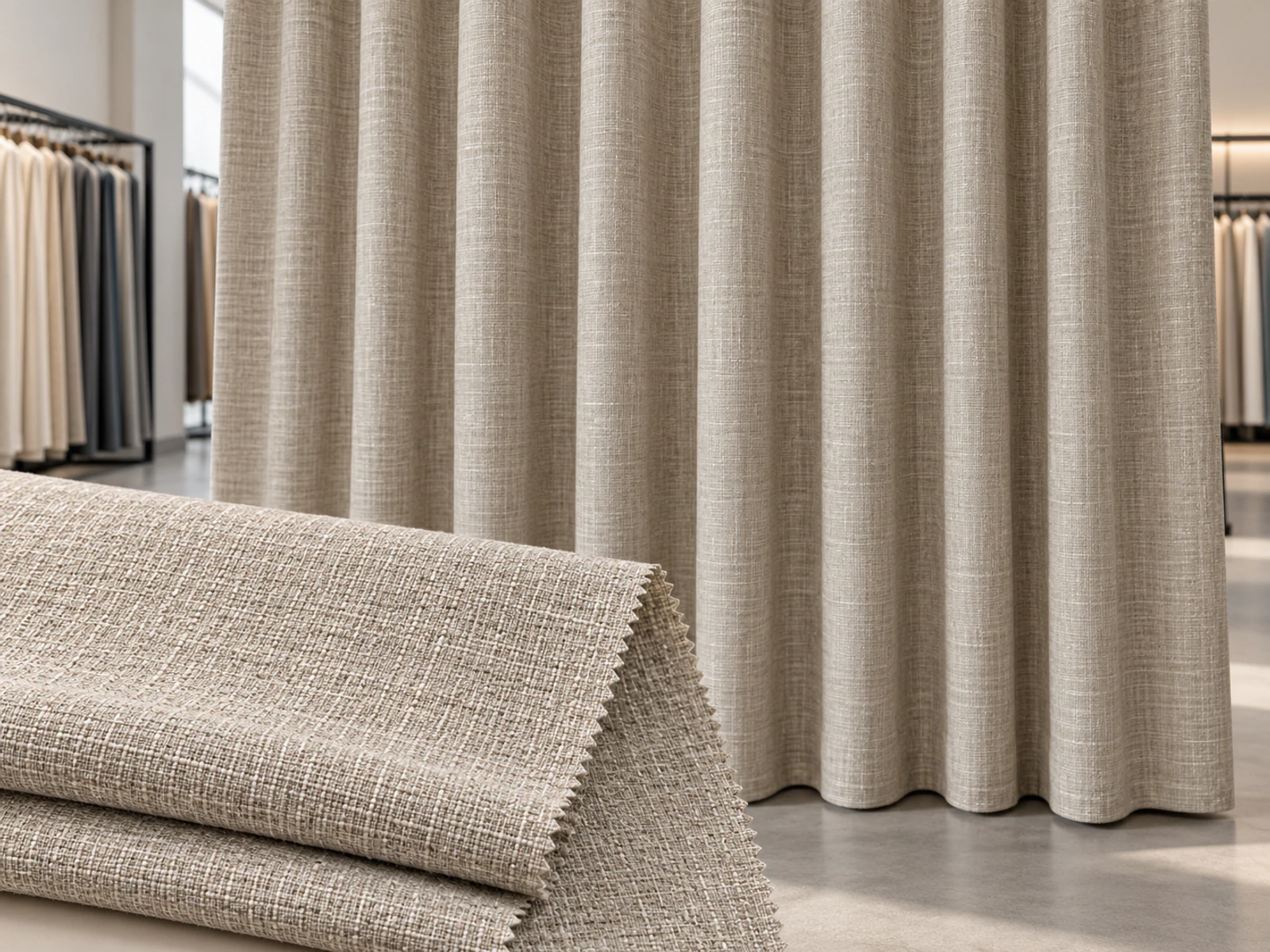
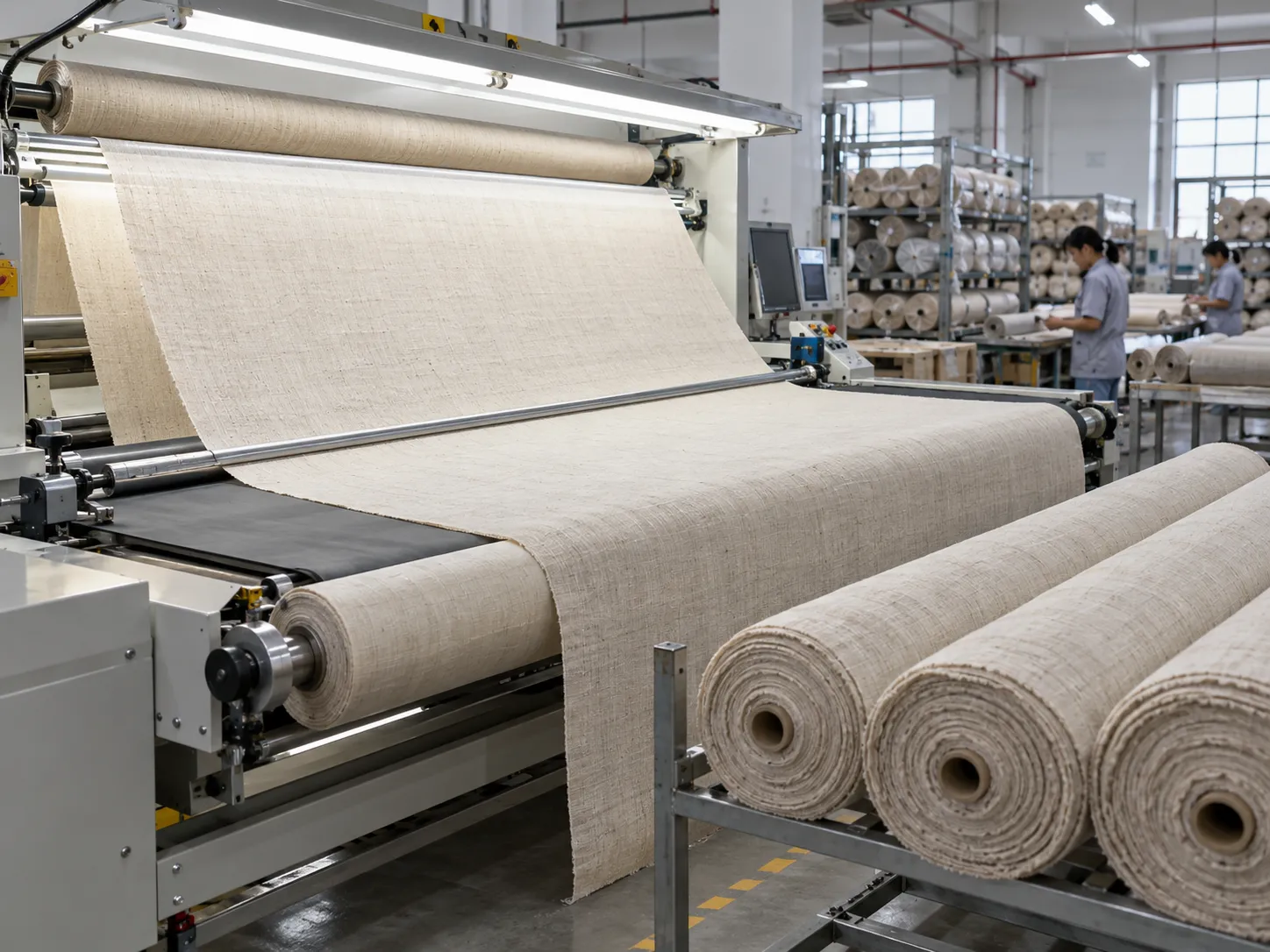
Three bast fibers from one supplier — flax linen, hemp fabric and ramie fabric — plus their cotton, viscose and polyester blends, woven and finished by a linen fabric manufacturer in China. We match the hand feel, weight and wash you need — from crisp shirting to stone-washed bedding — and keep it the same on every repeat order.
Used for: shirts & dresses · curtains & bedding · hotels & restaurants · bags & crafts
Start from the fiber, filter by weight, use and weave — then compare.
All three are bast fibers from plant stems and are often all sold as “linen” — but they spin, feel and price differently. Switch the layer to follow each one from plant to cloth; hover a column or a row to compare.
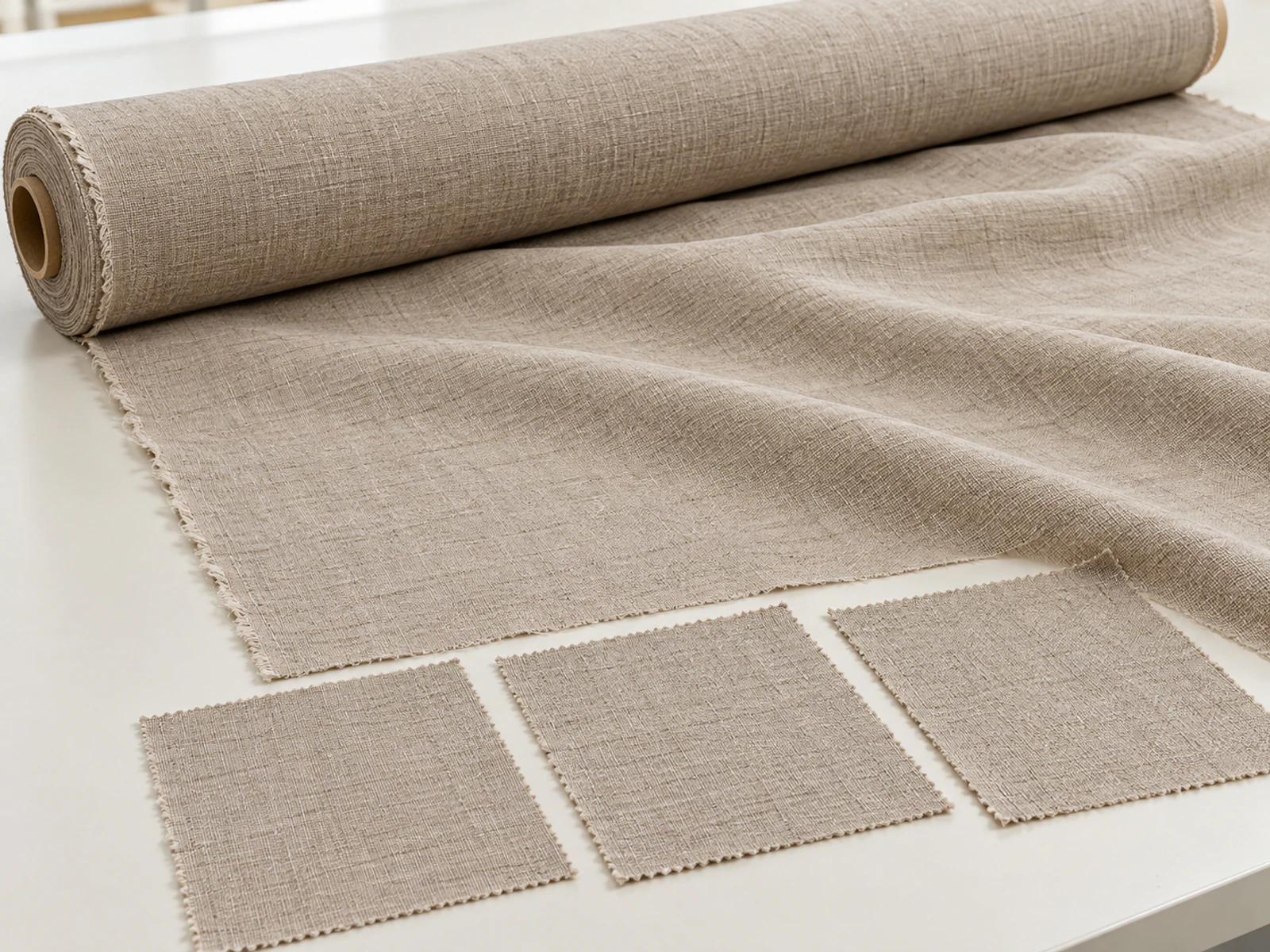
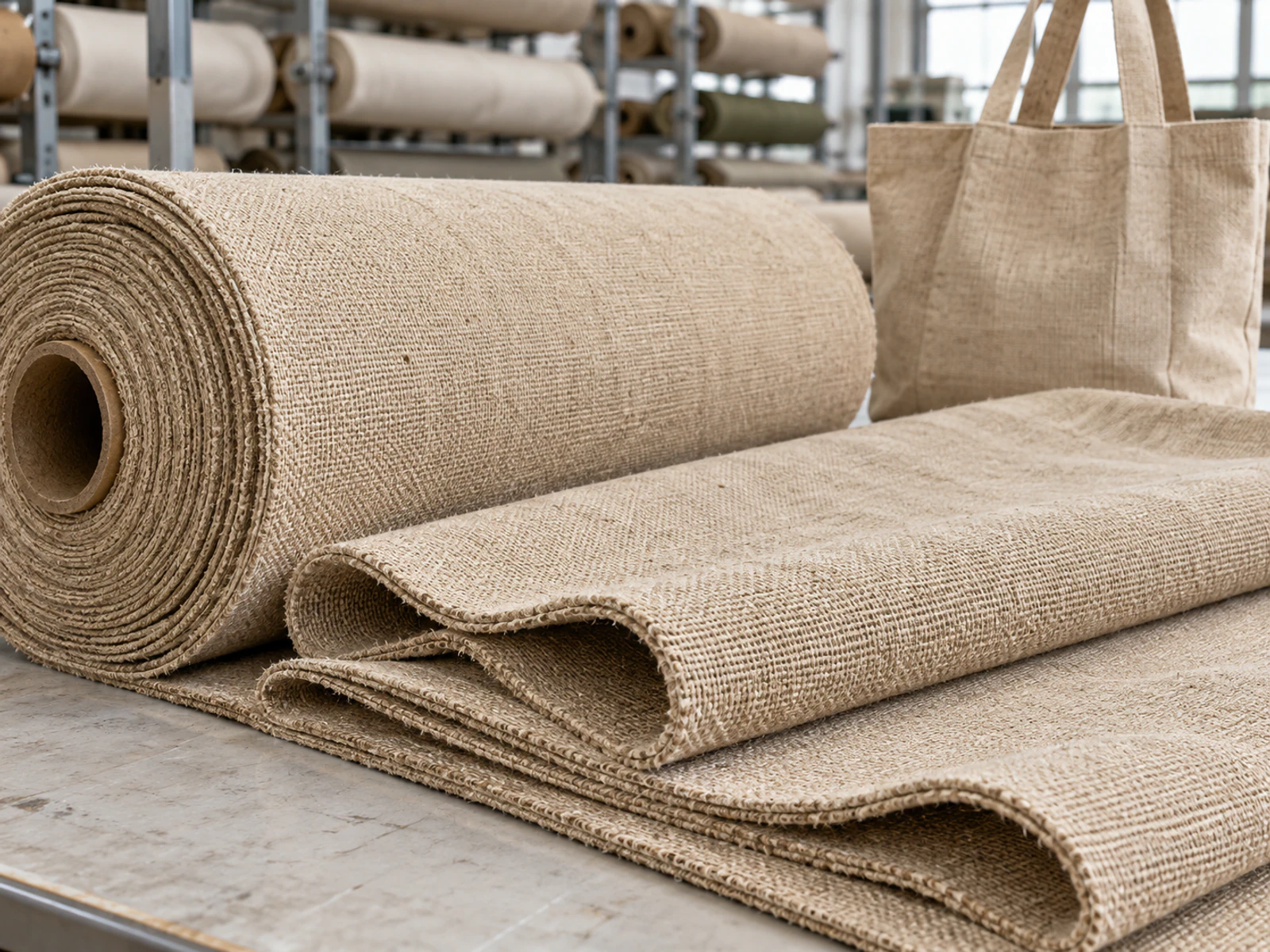
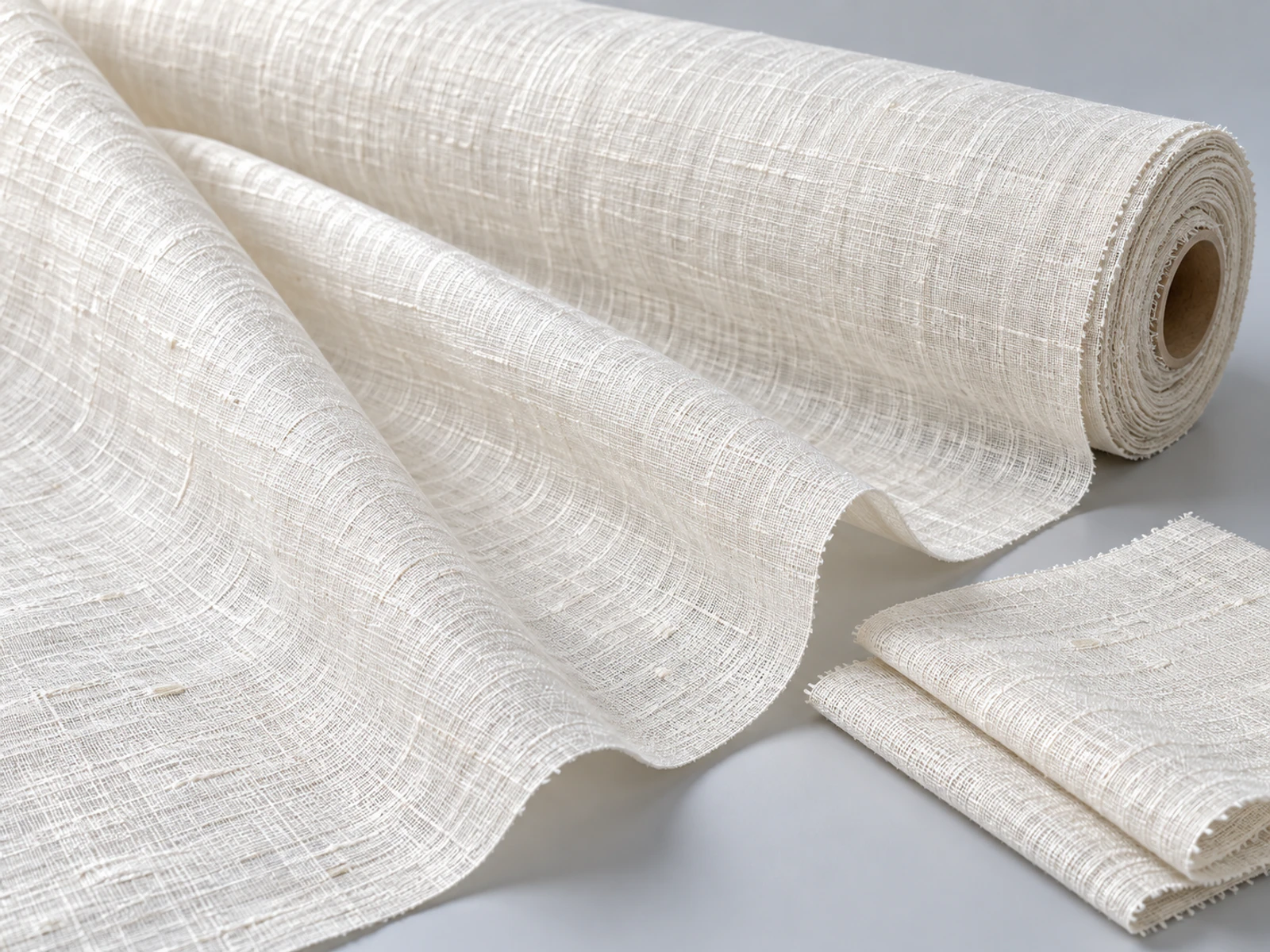
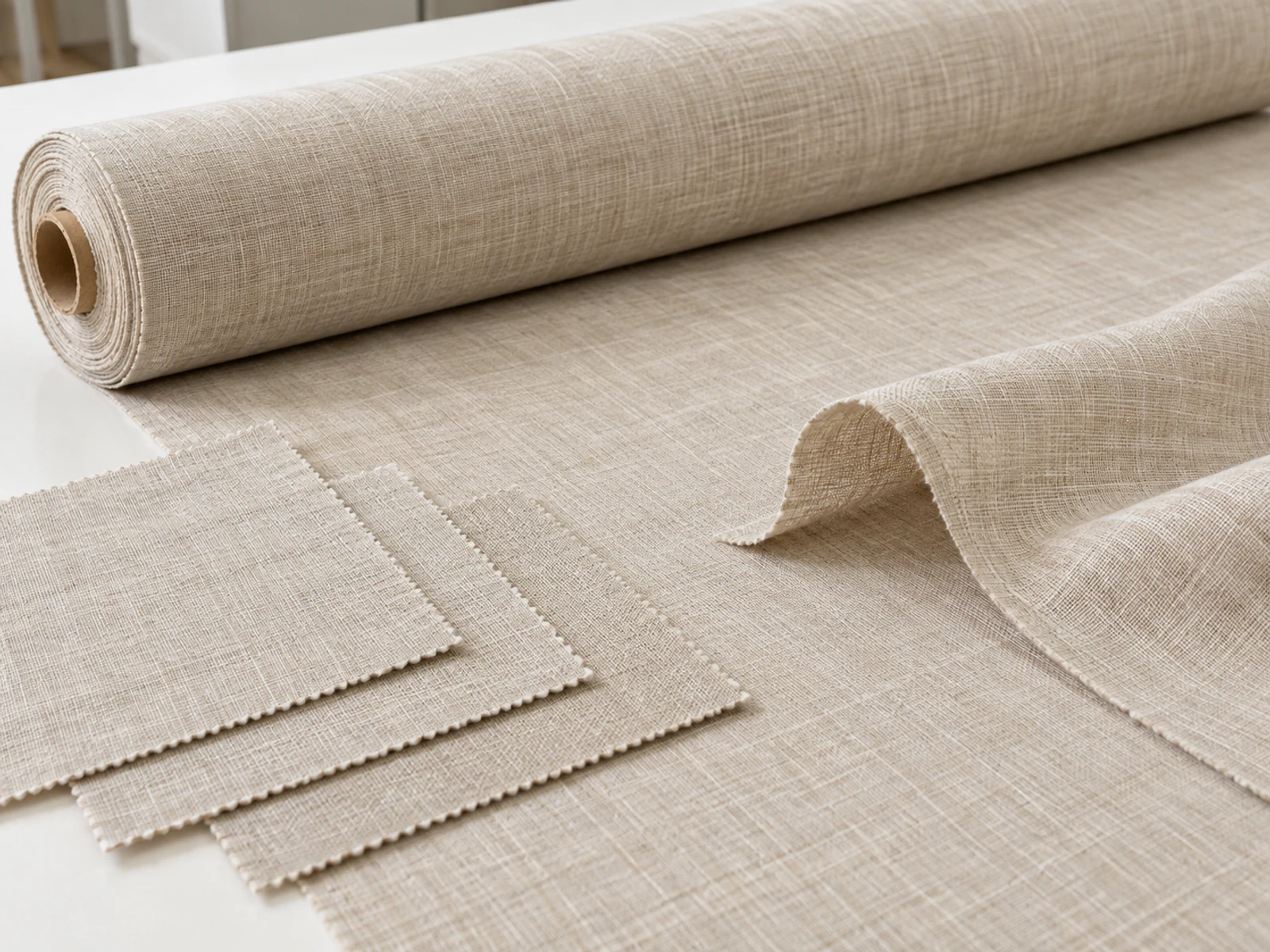
Fifteen articles in regular production — pure linen, linen cotton fabric, hemp canvas, ramie and their blends — all sold in full rolls. Each card shows the construction range, where it is used and the one thing to specify when you order it.
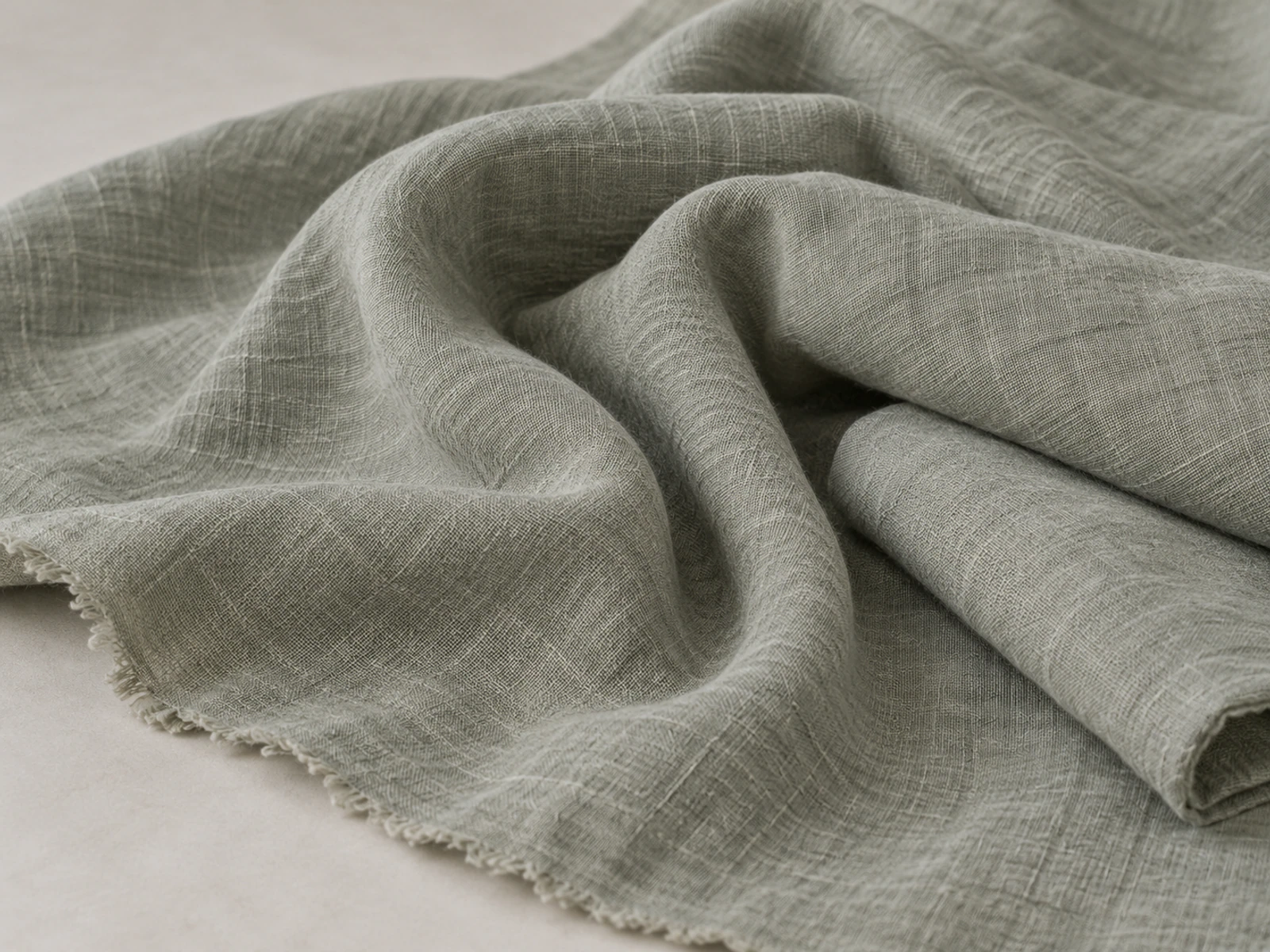
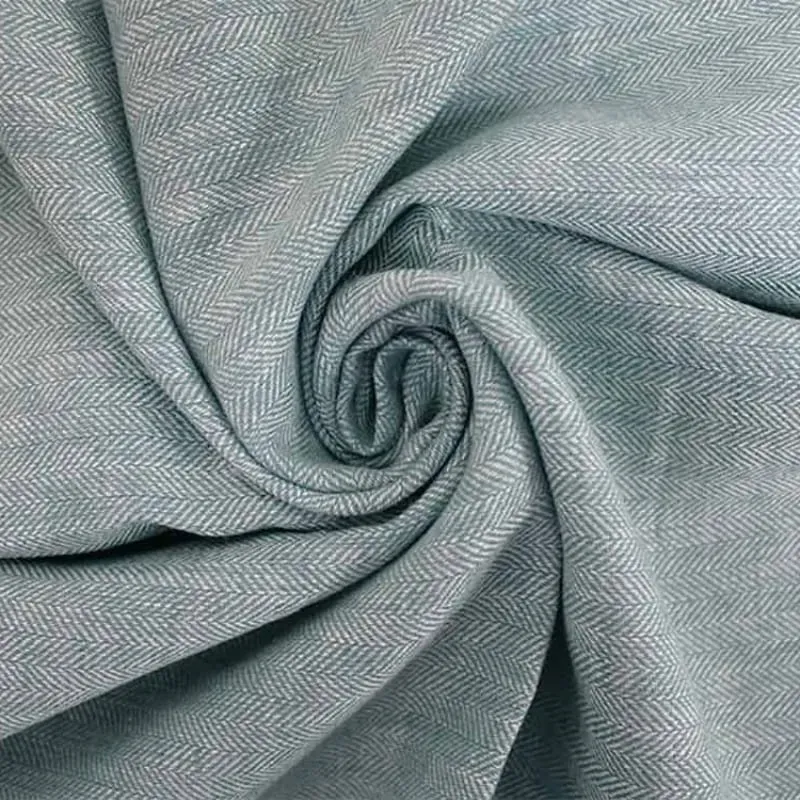
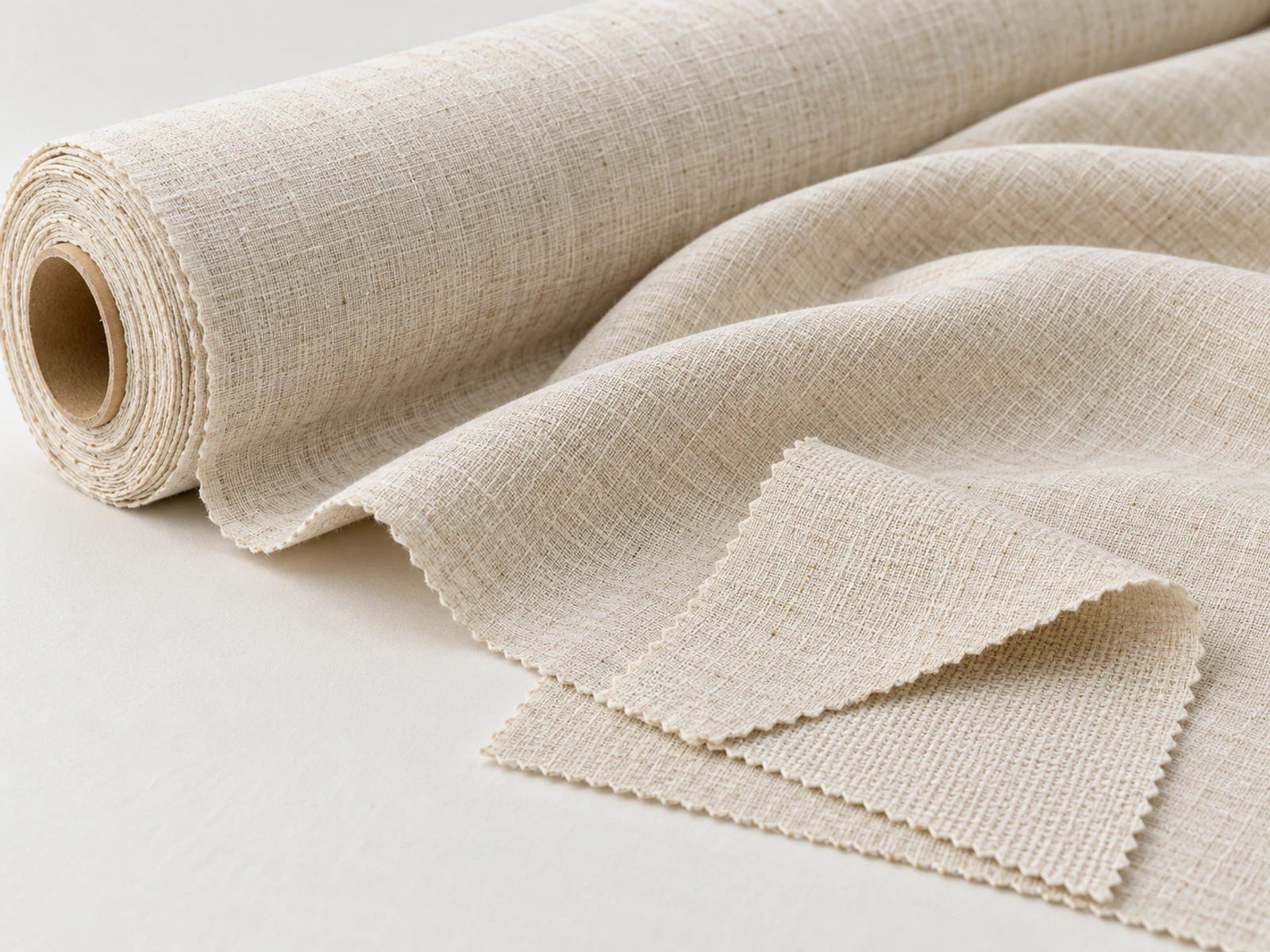
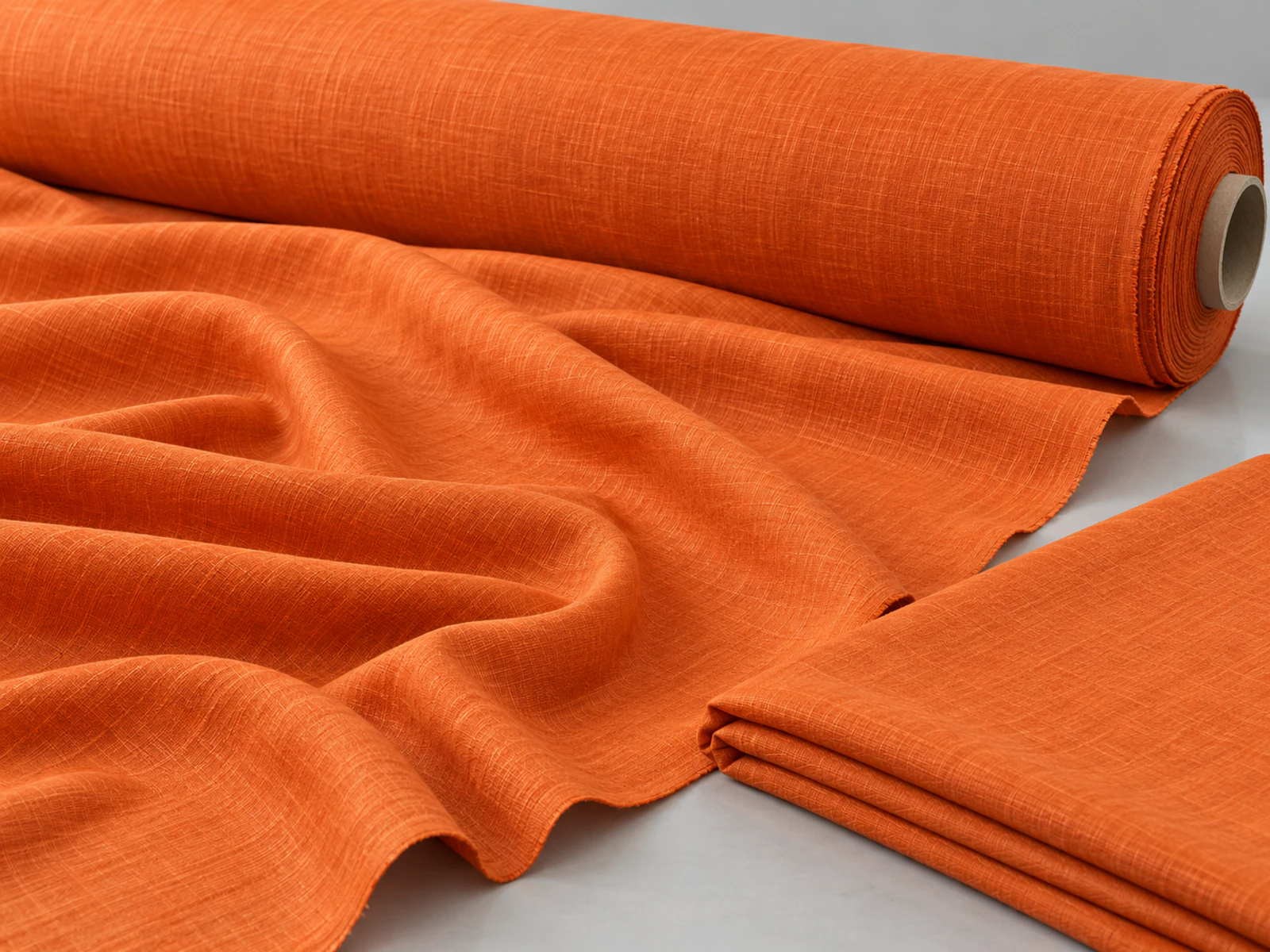
No article matches all filters — send your requirement and we will develop it.
Each fiber mix trades hand feel, price and wrinkle behaviour differently — blending cotton into linen or ramie is the usual way to soften and lower cost. Pick two to overlay them on the chart.
Relative scores for comparison — please confirm.
Linen weight decides drape, opacity and durability. Hover a column to hold it against the light — the lighter the fabric, the more you see through it.
Airy, slightly sheer, drapes close to the body. Wrinkles most — often enzyme-washed for softness.
The all-rounder: enough body for trousers and bedding, still breathable. The most ordered linen weight.
Dense, structured, hard-wearing. Often hemp canvas or linen-cotton; opaque without lining.
The same fiber looks completely different depending on yarn and weave. Move over a tile to look through the loupe.
What to choose for clothing, home and commercial projects — and what to avoid.
Six common uses. Each tile shows the usual starting spec and jumps to the full solution.
Clothing110–220 gsm · linen / linen-cotton · enzyme washedApparel solutions →
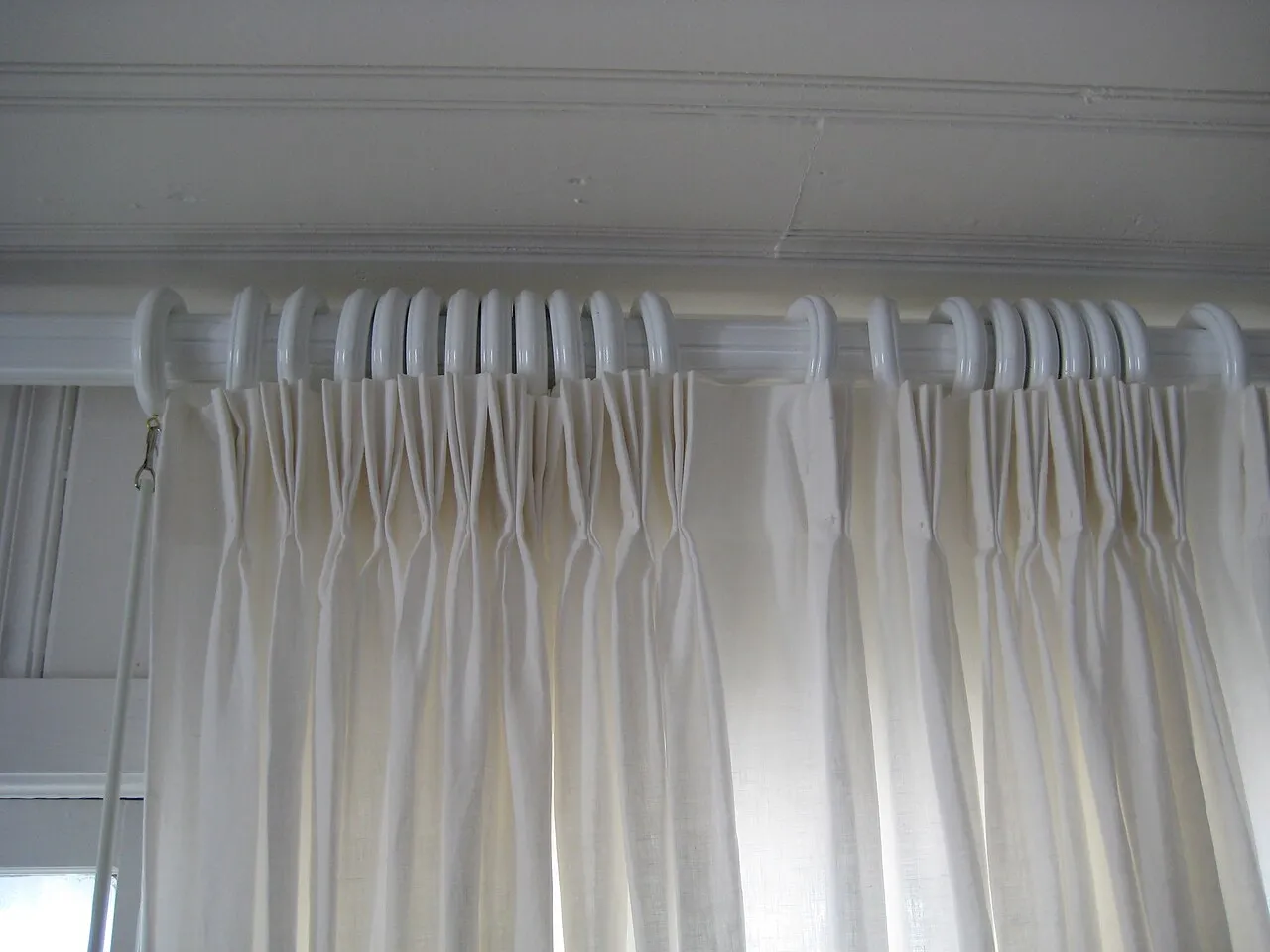 Curtains120–260 gsm · 280–320 cm wide · sheer or linedHome solutions →
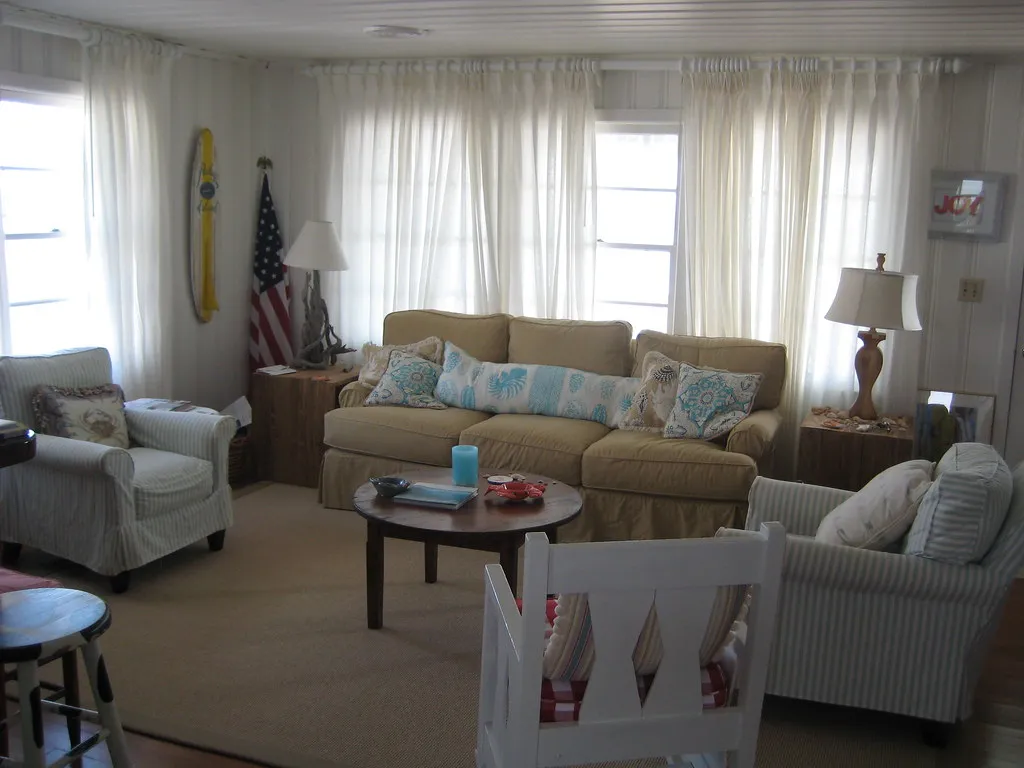 Upholstery240–320 gsm · linen-cotton / hemp · Martindale testedHome solutions →
Table linen180–240 gsm · stain-release · 300+ wash cyclesCommercial solutions →
Upholstery240–320 gsm · linen-cotton / hemp · Martindale testedHome solutions →
Table linen180–240 gsm · stain-release · 300+ wash cyclesCommercial solutions →
 Bags260–320 gsm · hemp / linen canvas · coated optionCommercial solutions →
Crafts & packagingNatural, undyed or printed · small colorsSelection guide →
Bags260–320 gsm · hemp / linen canvas · coated optionCommercial solutions →
Crafts & packagingNatural, undyed or printed · small colorsSelection guide →Garment buyers usually ask us two things: which composition stops the garment from wrinkling too much, and which weight keeps it from being see-through. Choose a garment.
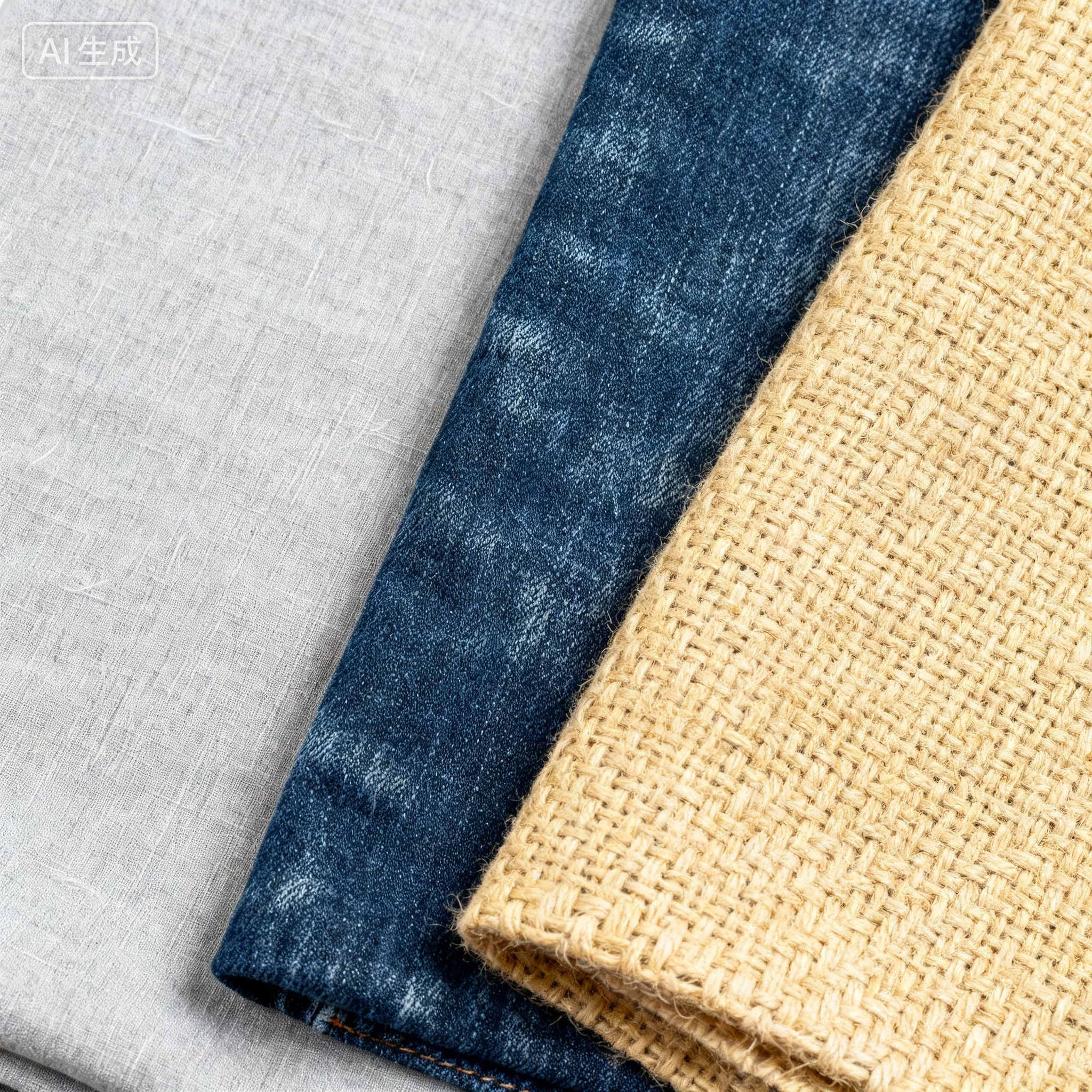
Shirts are worn next to the skin and washed often — a soft wash and a written shrinkage limit matter more than the exact weight.
Dresses need drape. Viscose blends give it, but must be pre-shrunk; write seam slippage into the PO for loose weaves.
Trousers take the most stress. A denser blend in medium weight keeps shape and survives seams under tension.
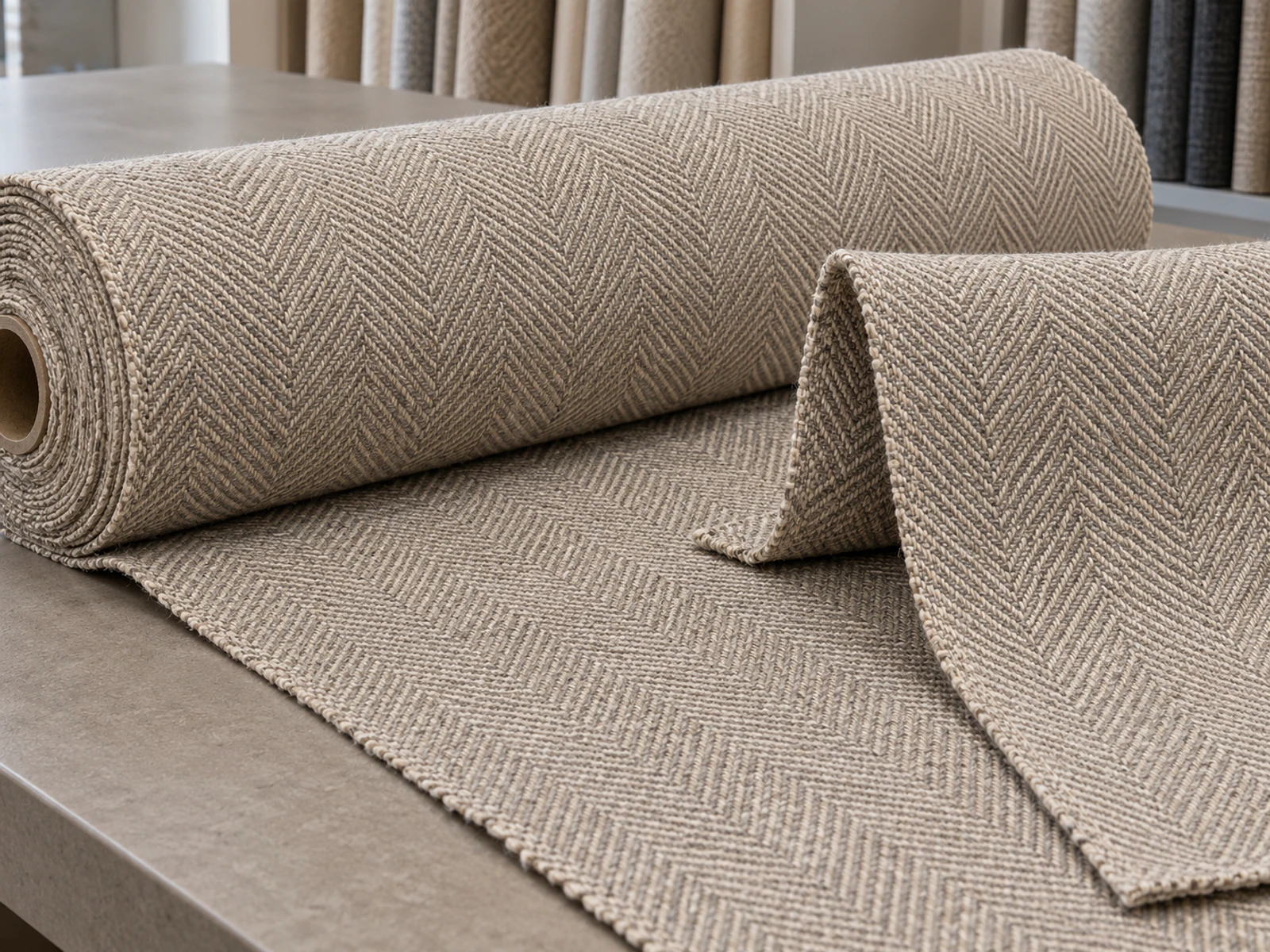
Jackets need body. Heavier herringbone or hemp-cotton holds the silhouette and can be garment-dyed after sewing.
Home linen is judged on width, wash durability and how it hangs. Click a point in the rooms to see the fabric we would specify there.
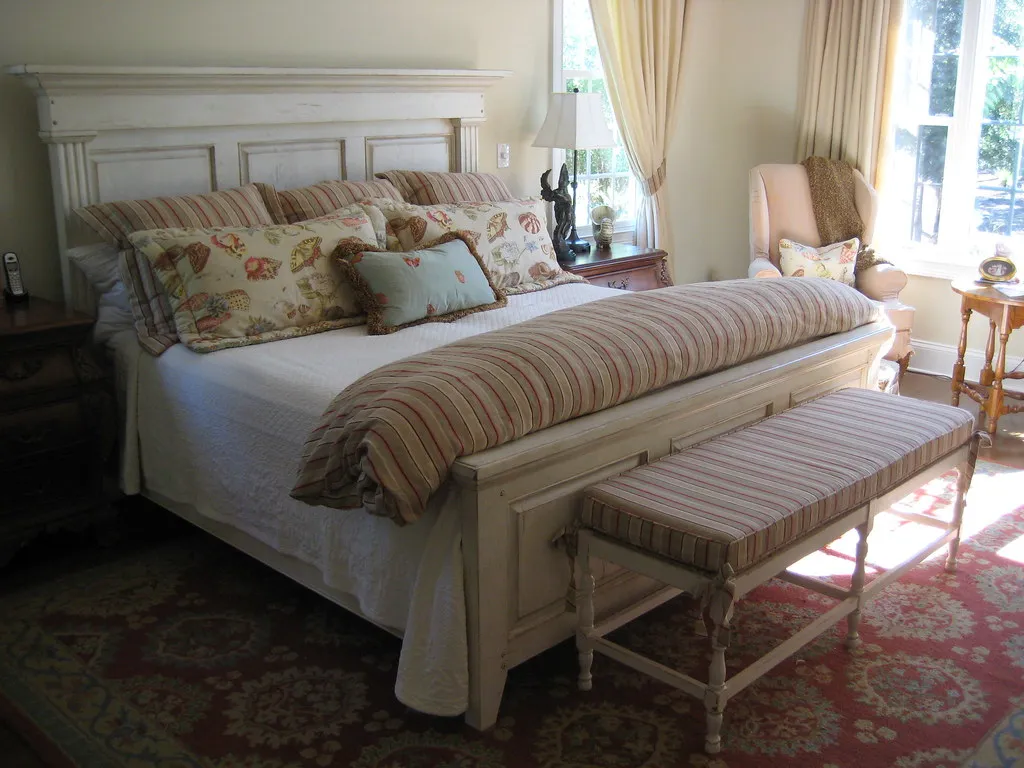
Linen or linen-polyester, 120–260 gsm, wide 280–320 cm so panels need no side seams.
Heavy linen-cotton or hemp, 260–320 gsm, tested for abrasion and seam slippage.
Send your window or bed size and we calculate the meters per piece.
Quote upholsteryHerringbone, textured or yarn-dyed stripe linen 220–280 gsm.
Send your window or bed size and we calculate the meters per piece.
Quote cushionsStone-washed pure linen or linen-cotton, 160–190 gsm, wide width for sheets and duvet covers.
Send your window or bed size and we calculate the meters per piece.
Quote beddingMedium linen-cotton with blackout lining option.
Send your window or bed size and we calculate the meters per piece.
Quote bedroom drapesHeavy herringbone or textured linen, often with fringe or yarn-dyed stripes.
Send your window or bed size and we calculate the meters per piece.
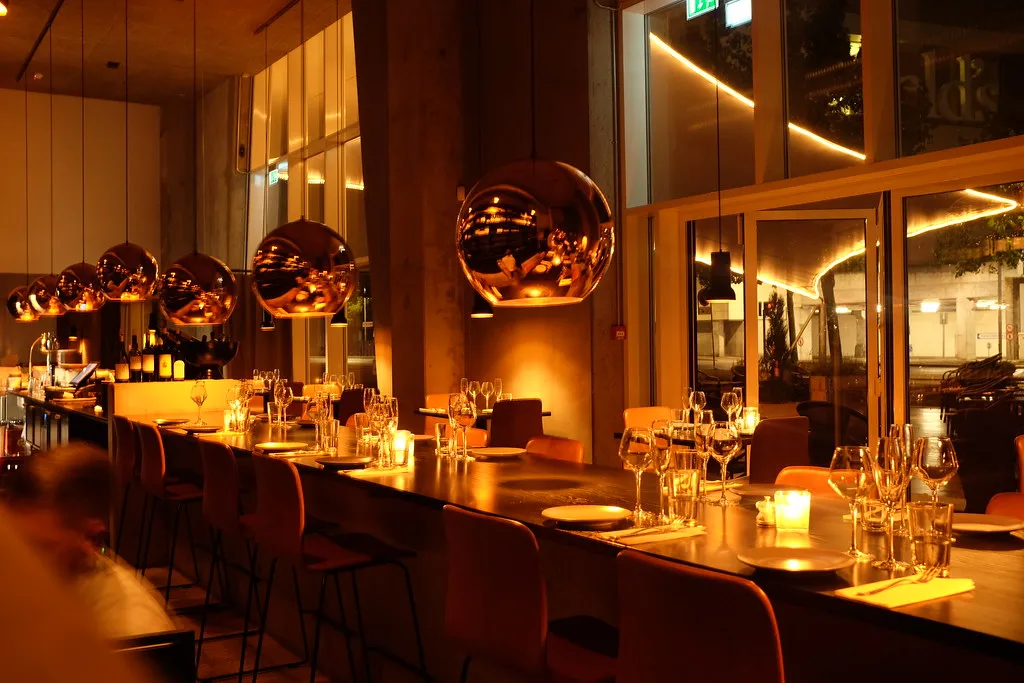
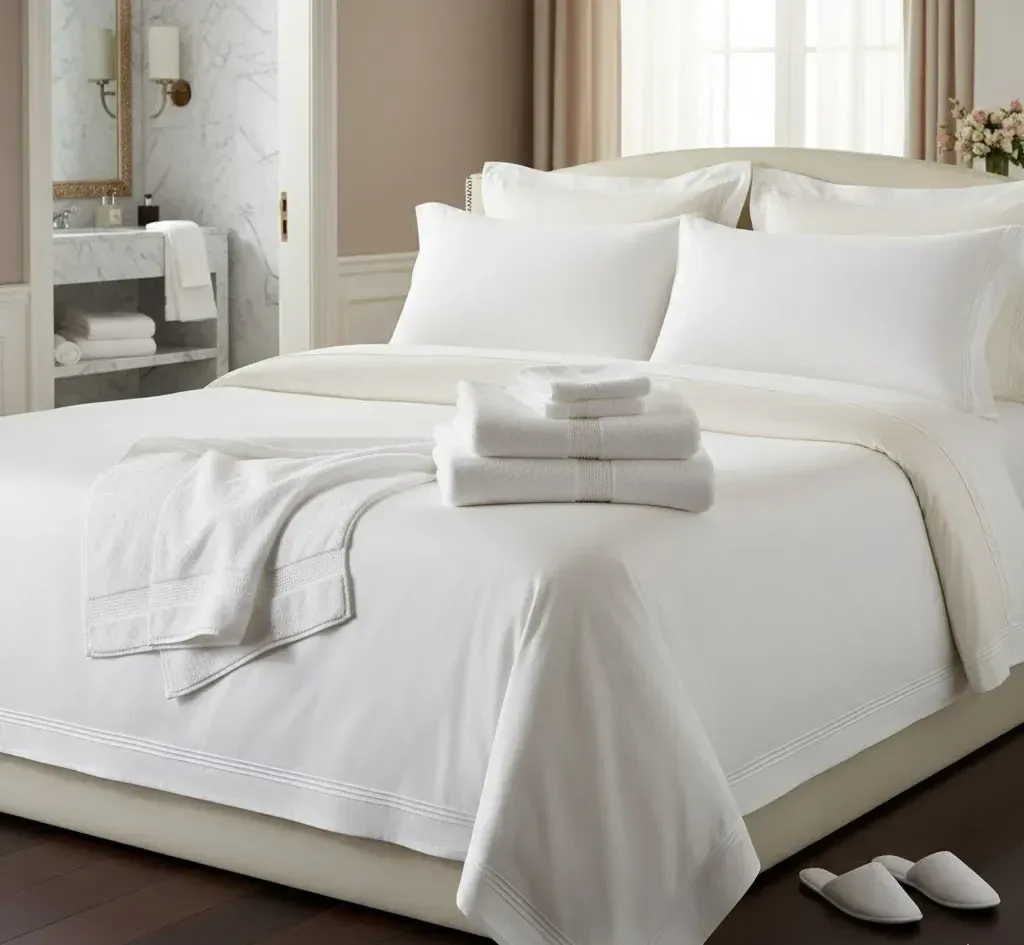
Quote throws & bed runnersContract projects add requirements that retail fabric never meets — industrial laundering, fire rules and identical repeats over years. These are the briefs we work to.
Answer four questions. We rank our fifteen linen, hemp and ramie articles by how well they fit — the same reasoning our sales team uses on WhatsApp.
What we can change, which problems we prevent, and how a sample becomes bulk.
Seven things you can change on any article. Open a line for the range we work in and what it means for MOQ and lead time.
The seven issues buyers raise most often with linen, hemp and ramie suppliers. Click a row for the cause, our control and the line to add to your PO.
Six steps for every bulk linen fabric order, and what you receive at each one, so you always know what has been approved.
End use, composition, gsm, width, color, finish and quantity — or just a photo.
Free swatches of the closest articles; hand-loom for new constructions.
Lab dip, slub reference and washed sample approved and sealed.
Yarn and dye slot booked at PO; weekly photo updates.
Weight, width, shrinkage, fastness and 4-point inspection per lot.
Rolls labelled by lot and shade, FOB or CIF, mixed loading possible.
How we check every lot, what we can supply, and how to get your price.
Each check has a method and a tolerance written in your PO; results go out with the shipment.
Cut and weighed on head and tail of each lot; washed articles checked after washing.
Cuttable width measured across every roll.
Light fastness matters for curtains and table linen in sunlit rooms.
After 3 home washes; result printed on the roll ticket.
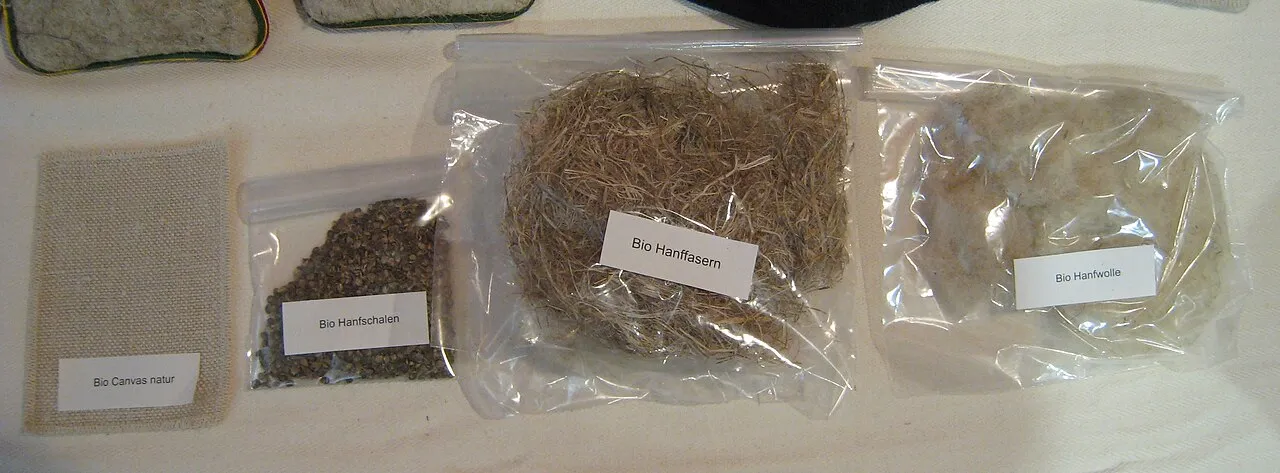
Flax, hemp and ramie look alike to the eye — fiber content is verified under the microscope so care labels, eco claims and customs declarations match.
Slub reference agreed; knots, holes and broken ends counted.
Five ways we supply — pick the one that fits your program, or combine them in one container.
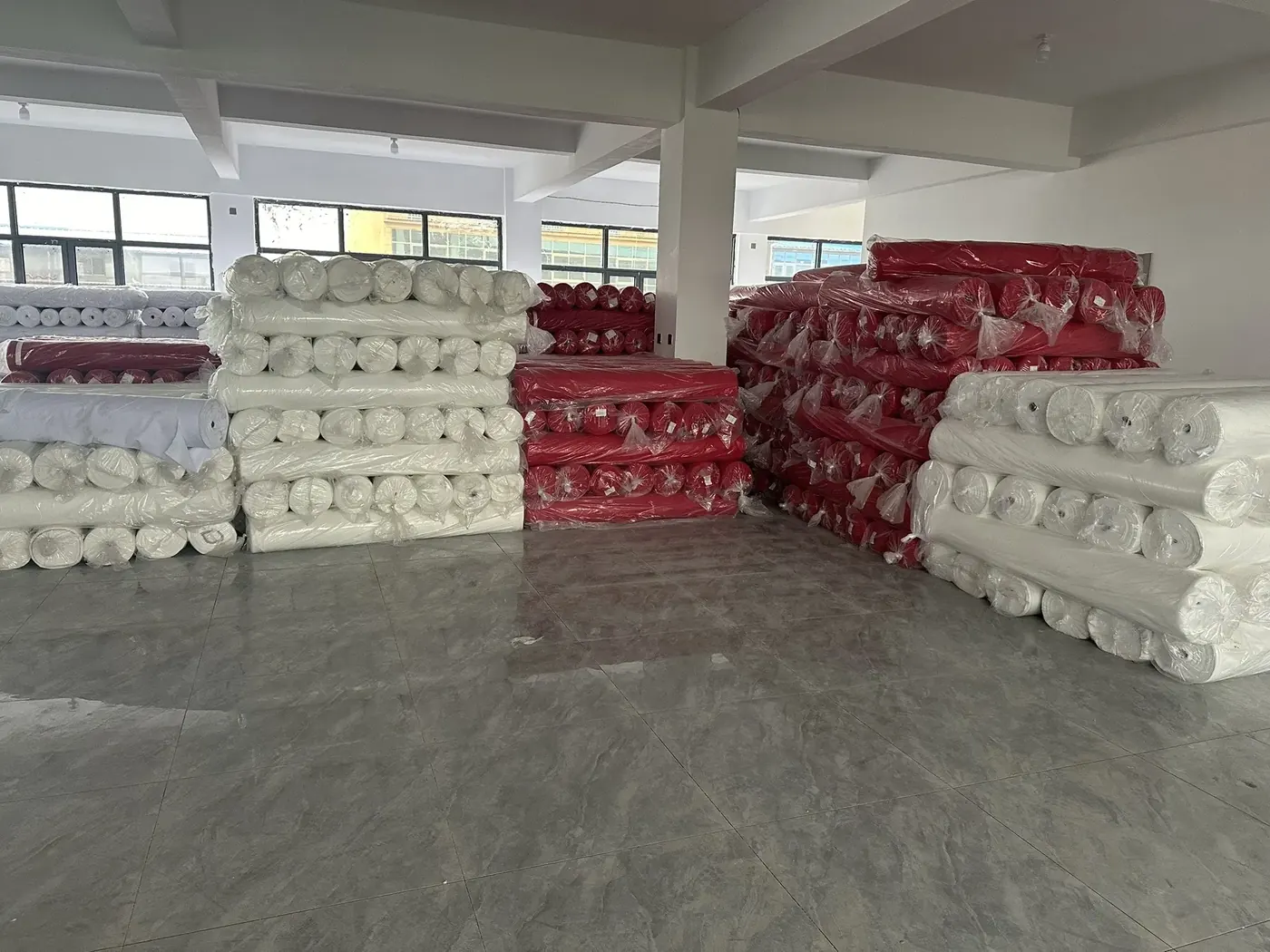
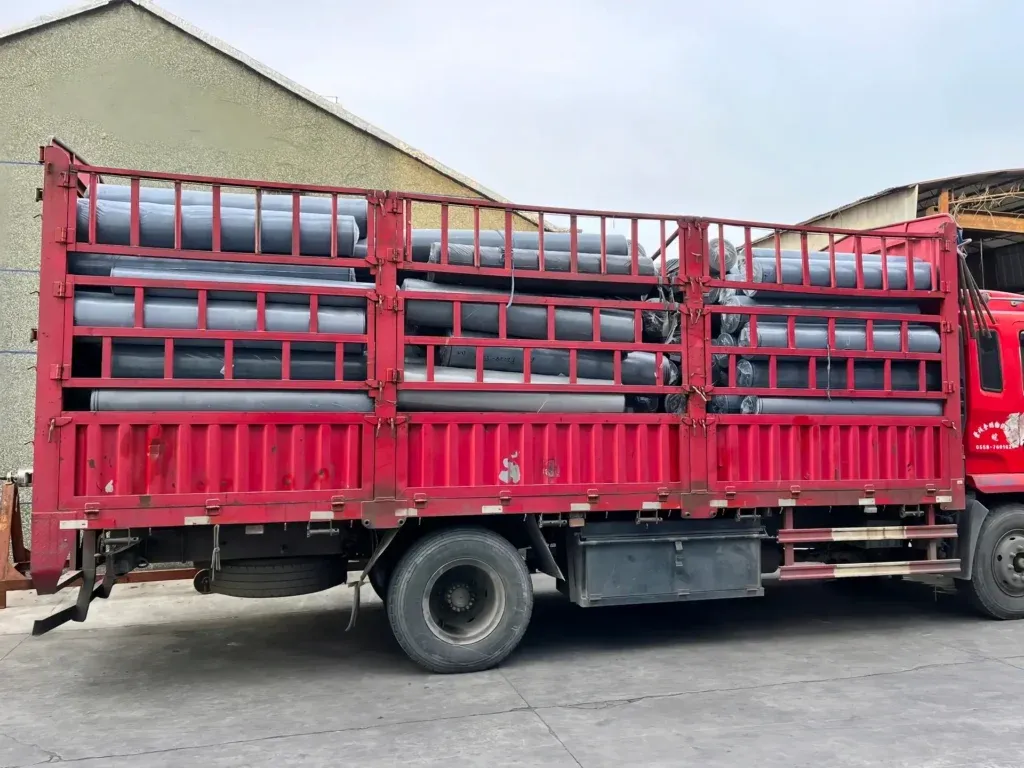
Buyers who come to us for linen fabric wholesale often source several fabrics in one program. These pages use the same order terms — 5,000 m or 500 kg MOQ, 20–35 days — and can share one container.
The questions buyers ask before their first order.
5,000 meters or 500 kg per order, which can be split across colors of the same article. Stock bases can be dyed in smaller color lots — ask for the list.
20–35 days after sample approval for bulk. Stone-washed and yarn-dyed articles sit at the longer end.
Linen fabric price is quoted per meter and depends mainly on flax content and yarn count, weight, width, dyeing (piece-dyed vs yarn-dyed), washing and quantity per color. Pure flax linen costs the most; hemp sits close to linen; ramie and ramie-cotton cost less for a similar look.
For most repeat programs, yes: linen cotton fabric (55/45 or 30/70) wrinkles less, feels softer, shrinks less and costs less, while keeping the linen look. Choose pure linen when maximum breathability and a premium story matter more than easy care.
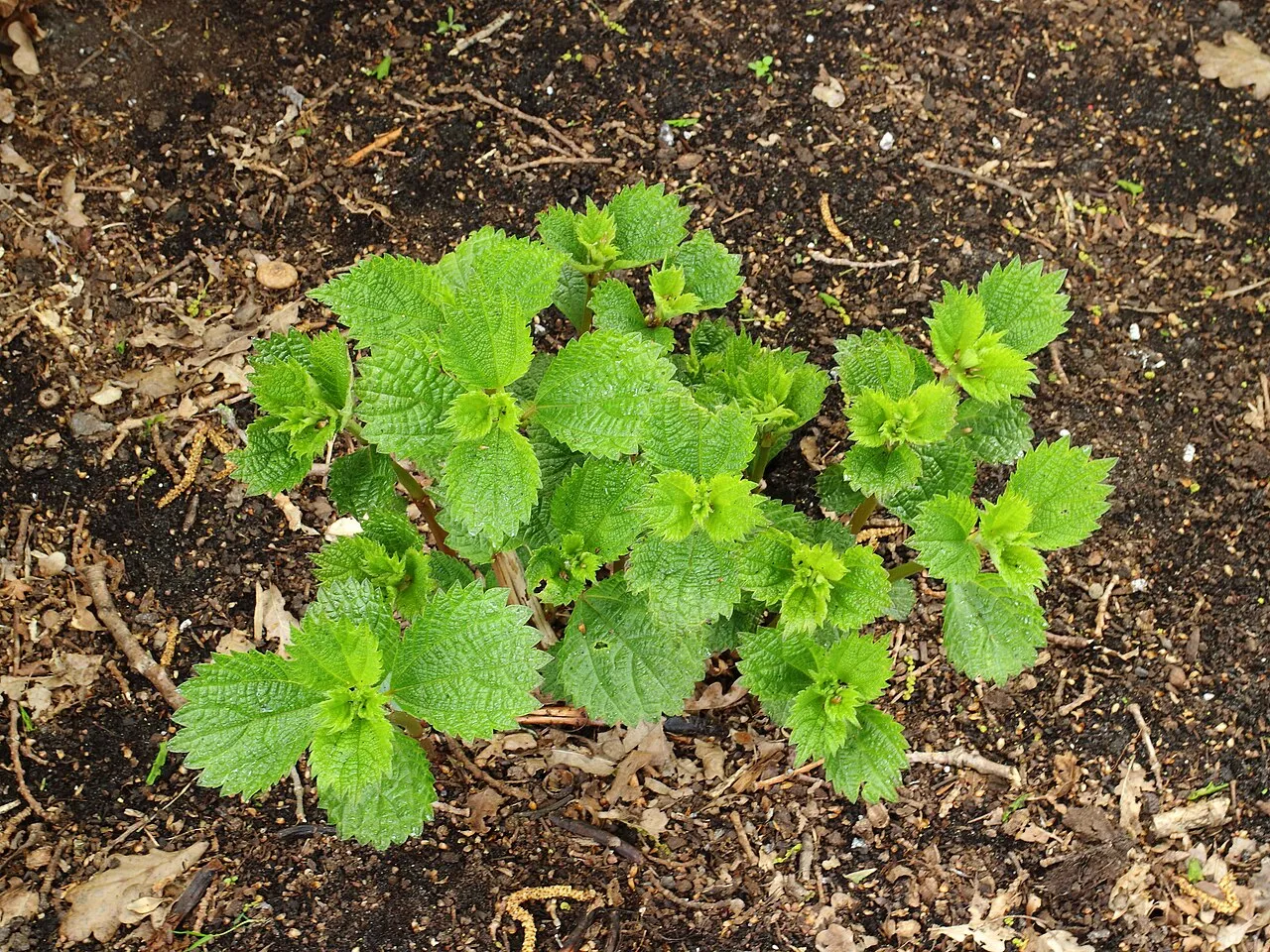
Ramie is a bast fiber from the stem of Boehmeria nivea, a nettle grown mainly in China. Ramie fabric is light, crisp and naturally lustrous, very strong and cool to wear, but stiff and prone to sharp creases — so it is often blended with cotton (ramie cotton fabric) or linen.
In ramie vs linen, ramie has longer, whiter fibers with more luster and usually costs less; flax linen is softer, less prickly and drapes better. Linen-ramie blends give a linen look at a lower price.
For hemp vs linen: hemp is stronger, more abrasion-resistant and matte, ideal for bags, canvas and workwear; linen is finer and smoother for shirts and bedding. Hemp cotton fabric is the softest hemp option for garments.
Organic hemp fabric can be supplied with a transaction certificate when the fiber is certified. OCS certificates are available.
Swatches of existing articles are free; you pay the courier. Hand-loom samples for new constructions are free too — you only pay the courier.
Yes — we send a lab dip within 5–7 days. Linen takes dye less evenly than cotton, so we approve a shade band (light / standard / dark) for every lot.
Natural slubs are part of linen. We agree a slub reference swatch before bulk; only slubs outside that level, knots and broken ends are counted as defects.
Yes, 280–320 cm on wide looms for sheets, duvet covers, tablecloths and curtains. Please confirm max width
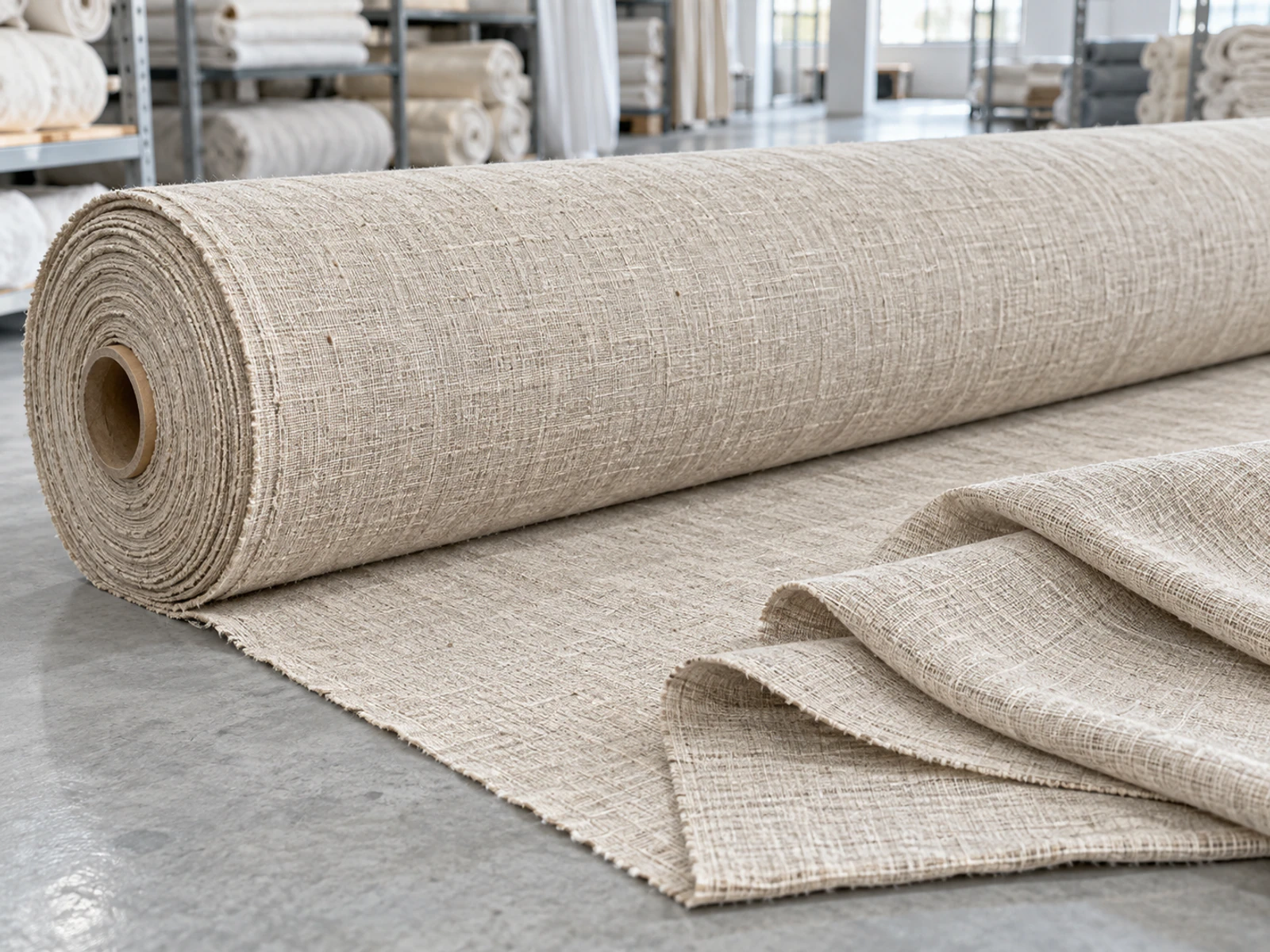
Rolled on paper tubes, poly bag inside, woven bag outside; each roll labelled with article, lot, shade and meters. Roll length varies with width, weight and composition.
Yes. Different linen articles and colors can be loaded together once the total meets the MOQ.
The more lines you fill in, the more exact the first price. Not sure? Leave it blank and attach a photo.
WhatsApp us