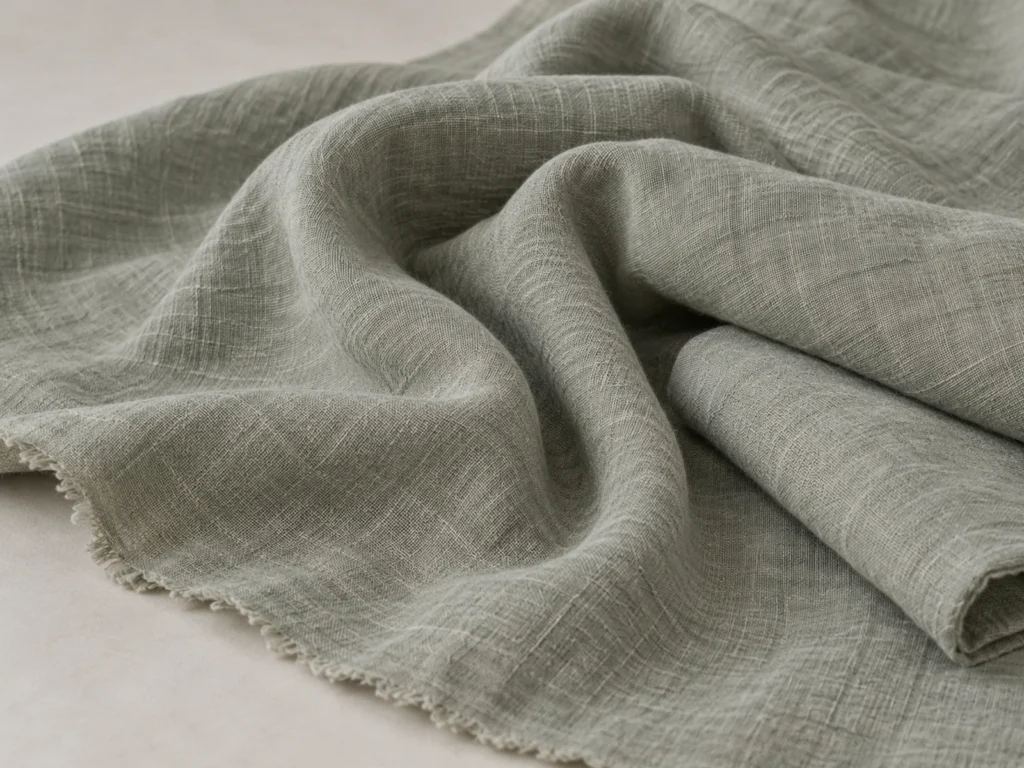

What is linen fabric? Linen is a woven textile made from the fibers inside the stem of the flax plant. It is one of the oldest fabrics in the world, and today it is valued for exactly the reasons it was valued thousands of years ago: it is strong, cool to wear, absorbent and long-lasting.
For garment factories and home-textile manufacturers, though, “linen” is not one fabric. It covers fine handkerchief cloth and heavy upholstery canvas, crisp shirting and soft stone-washed bedding, pure flax and dozens of blends. Two fabrics both labeled “100% linen” can differ completely in hand feel, shrinkage, price and performance.
This guide explains what linen is made of, how it is made, its key properties, the main types of linen fabric and what each is used for — and then shows how to check linen quality and write a specification before bulk production. It is written from the mill side, based on the linen and linen-blend programs we weave and finish for apparel and bedding customers.
Linen definition: a natural cellulose fabric woven from flax fibers (Linum usitatissimum). It is strong, highly breathable and absorbent, with a dry, slightly slubby texture and a soft natural luster. It wrinkles easily and must be pre-shrunk.
Typical uses: summer shirts and dresses (110–180 GSM), bedding (about 160–190 GSM), table linen, curtains and upholstery (180–400 GSM). For bulk orders, specify fiber and yarn type, GSM, width, finish and a shrinkage limit with its test method.
What Is Linen Fabric?
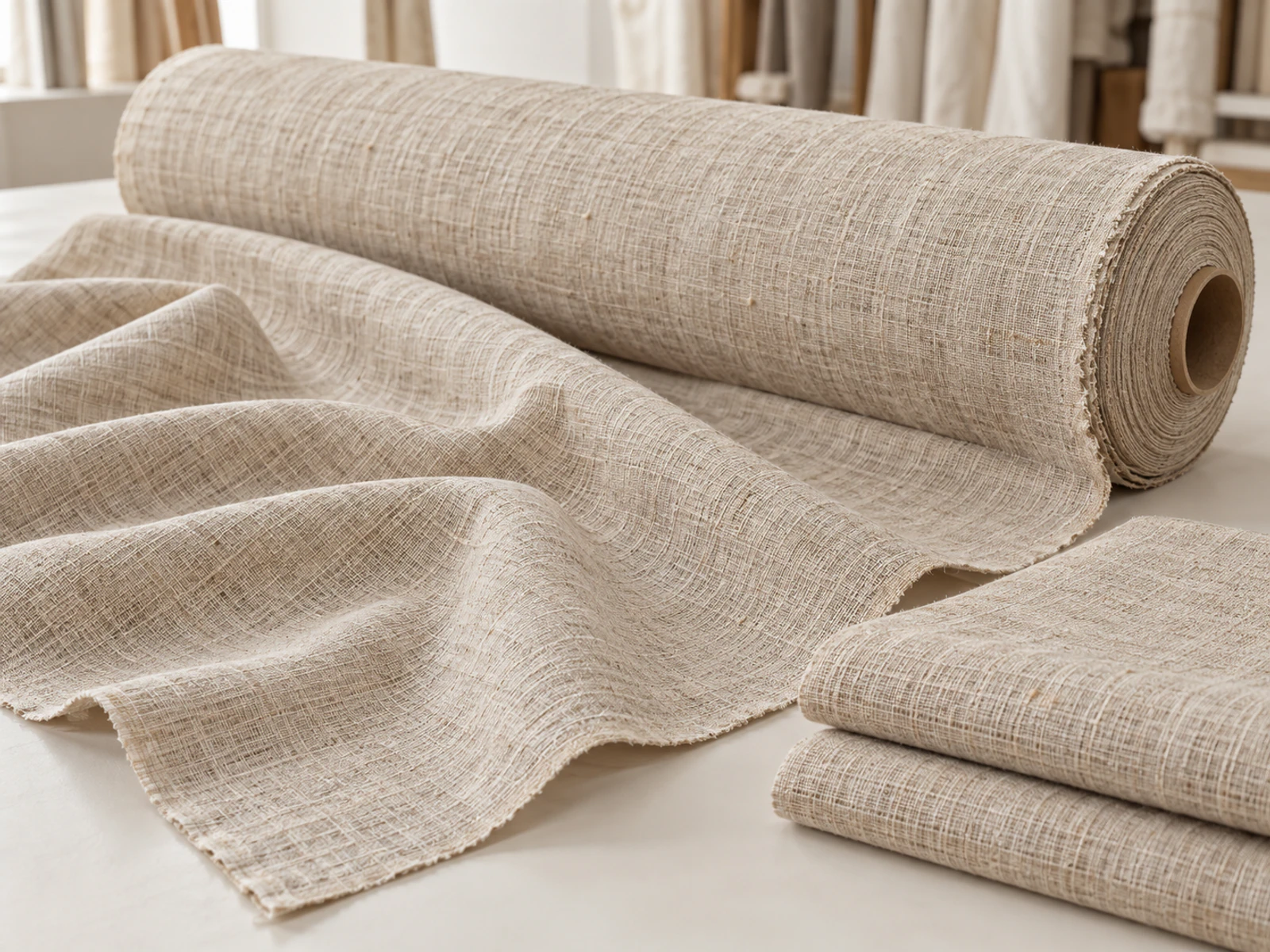
Linen is a textile woven from linen fiber, which is the bast fiber of the flax plant. The word “linen” comes from linum, the Latin name of flax. In the textile trade, flax usually refers to the plant and the raw fiber, while linen refers to the yarn and the finished fabric.
Linen Is Made From Flax Fibers
So, what is linen made of? Flax stems contain long bundles of cellulose fibers that run from the root to the top of the plant. Once separated from the woody core, these bundles are spun into yarn and woven into fabric. Fine, long “line” fibers make smooth shirting and bedding; shorter “tow” fibers make coarser, more rustic fabrics.
Where does linen come from? Flax grows best in cool, damp climates. The majority of high-quality long flax fiber is grown in a coastal belt running through northern France, Belgium and the Netherlands, while much of the world’s linen yarn and fabric is spun and woven in Asia, including China. That split between where flax is grown and where linen is made is important when buyers ask about origin claims and traceability.
Linen Definition in Labeling and Trade
In most markets, “linen” on a textile label means fiber from the flax plant. Labeling rules in the EU, the US and other markets require the fiber content to be declared by percentage, so a fabric of 55% flax and 45% cotton must be labeled as a blend, not as linen. Household phrases such as “bed linen” or “table linen” describe the product category, not the fiber, which is why a “linen” sheet set can legitimately be 100% cotton. For B2B orders, write the fiber content on the PO exactly as it should appear on the label, and keep the test report or mill declaration that supports it.
Is Linen Natural or Synthetic?
Linen is a natural fiber. Flax is a plant, and linen yarn is pure cellulose with no synthetic polymer. That said, many fabrics sold as “linen” or “linen-look” are blends with cotton, viscose or polyester, or are fully synthetic fabrics woven with slub yarns to imitate the linen texture. The fiber content on the specification and care label is the only reliable guide.
Is Linen Cotton?
No. Linen comes from flax stems; cotton comes from the seed hairs of the cotton plant. The two fibers differ in length, strength, breathability, wrinkling and price, and they are often blended. For a detailed side-by-side comparison of breathability, softness, shrinkage and cost, see our guide to linen vs cotton.
How Is Linen Made? From Flax Plant to Fabric
How is linen made? Turning flax into fabric takes more steps than turning cotton into fabric, and each step affects the final linen quality. Understanding the process helps buyers ask the right questions about yarn, slubs and price.
Growing and Harvesting Flax
Flax is sown in spring and grows for roughly 100 days, reaching about a meter in height. It is not cut like grain: the plants are pulled up by the roots so that the full length of fiber in the stem is preserved. Long, unbroken fibers are what give linen its strength and allow fine, even yarn to be spun.
Retting, Scutching and Hackling
- Retting: the pulled stalks are laid in rows in the field (dew retting). Over several weeks, moisture and natural microorganisms break down the pectin that binds fiber to stem. Retting is weather-dependent and is one of the main sources of variation in color and quality.
- Scutching: the dried, retted stalks are crushed and beaten to remove the woody core (shives), leaving fiber bundles.
- Hackling: the fiber is combed through progressively finer pins. This separates the long, parallel “line” fibers from the short, tangled “tow” and aligns the fibers for spinning.
Line Flax vs Tow: Wet Spinning and Dry Spinning
Line flax is usually wet-spun: the roving passes through hot water, which softens the natural pectin so the fibers can be drawn into a finer, smoother and more even yarn. Wet-spun yarn is used for shirting, fine dress fabrics and quality bedding. Tow is usually dry-spun into coarser, hairier yarn with more slubs, used for rustic home textiles, canvas and heavier fabrics.
| Yarn type | Fiber | Look & feel | Typical use |
|---|---|---|---|
| Wet-spun line yarn | Long line flax | Fine, smooth, even, soft luster | Shirting, dresses, fine bedding |
| Dry-spun line yarn | Long line flax | Slightly coarser, more texture | Apparel, home textiles |
| Dry-spun tow yarn | Short tow flax | Coarse, hairy, visible slubs | Canvas, rustic table linen, upholstery |
How Long Does Linen Production Take?
From harvest, flax spends several weeks retting in the field and is then scutched and stored, so fiber for this year’s yarn often comes from last year’s crop. At the mill stage, a typical linen order still follows the same sequence as other woven fabrics — yarn booking, warping, weaving, dyeing or washing, finishing and inspection — but yarn availability is the step most likely to stretch lead times. For seasonal programs, booking linen yarn early is the simplest way to protect delivery dates and price.
Weaving, Dyeing and Finishing
Linen yarn has very little stretch, so it breaks more easily on the loom than cotton. Mills control humidity in the weaving shed and adjust loom speed and warp tension to keep breaks down. Fabric is then piece-dyed, or woven from yarn-dyed yarns for stripes and checks. Finishing can include singeing, calendering for luster, softening, and stone or enzyme washing for a relaxed hand.
Where Linen Quality Is Won or Lost
Most linen complaints can be traced back to a specific processing step. Uneven retting shows up as shade variation in natural or light colors. Poor hackling leaves short fibers that create hairiness and fuzz. Dry-spinning a yarn that should have been wet-spun produces more slubs and a harsher hand. Weaving under the wrong humidity causes warp breaks, knots and thin places, and aggressive finishing can weaken the fabric. When you evaluate a new linen supplier, ask how they control each of these stages — who supplies their yarn, whether yarn is wet- or dry-spun, how they condition the weaving shed and which finishing route they use — rather than judging the mill from a single swatch.
Each of these choices — line or tow, wet or dry spinning, finish — changes the fabric, which is why a supplier’s quote for “linen” is not comparable until these details are written down.
Linen Fabric Properties
Knowing what is linen at the fiber level explains its behavior in use. These are the linen properties buyers should understand before specifying a fabric. Each one is a strength in some products and a risk in others.
| Linen property | What it means for buyers | What to specify |
|---|---|---|
| High strength | Long service life; resists tearing and abrasion | Tensile or grab strength, warp and weft |
| Breathability | Cool, dry feel in hot weather | Weave, GSM, air permeability if claimed |
| Moisture absorption | Absorbs and releases sweat quickly | Fiber content (100% linen or blend ratio) |
| Slubs and luster | Natural texture; varies by yarn | Approved slub level on a sealed reference |
| Low elasticity | Wrinkles easily; seams can slip | Finish (washed, easy-care) and seam slippage limit |
| Shrinkage | Size changes after washing if not pre-shrunk | ≤ 3% L/W with test method and wash conditions |
Strength and Durability
Is linen durable? Yes — flax is one of the strongest natural fibers, and linen is stronger wet than dry. Long fibers mean little surface hairiness, so linen pills very little and survives frequent laundering, which is why it has long been used for table linen and hotel textiles. The weak point is fold wear: sharp creases ironed or stored in the same place for years can eventually weaken fibers along the fold.
Breathability and Moisture Absorption
Is linen breathable? Very. Stiff linen yarns do not pack tightly, so air moves through the fabric easily, and linen stands slightly away from the skin. Flax has a moisture regain of about 12% and releases moisture quickly, so linen feels dry and cool even in humid heat. A dense, heavy linen canvas breathes less than a light plain-weave shirting, so weight and weave still matter.
Texture, Slubs and Luster
Linen yarn naturally has slubs — short thicker sections — and a soft, low luster from the smooth fiber surface. Slubs are part of linen’s appeal, but they must be agreed. Ask the mill to show the slub level on a reference and treat excessive or clustered slubs, neps and thick places as defects in inspection.
Color and Dye Behavior
Linen takes reactive and vat dyes well, but its slubby yarn and dense fiber surface often give a slightly heathered, uneven look compared with cotton — part of linen’s natural appeal. Dark shades need thorough washing-off to avoid poor rubbing fastness, and pale or natural shades can show slub-to-slub and batch-to-batch variation. Approve color under D65 and a store light, and agree shade bands per lot, especially for bedding sets that are cut from more than one roll.
Wrinkling and Low Elasticity
Flax fiber stretches only a few percent before breaking and has little recovery, so linen creases easily and holds the crease. Many brands now sell that relaxed look as a feature; others reduce wrinkling with washed finishes, blends or easy-care treatments. Low elasticity also means loose linen weaves can suffer seam slippage, which should be tested for garments.
Shrinkage
Does linen shrink? Yes, unless it has been pre-shrunk or washed. Yarns held under tension during weaving relax at the first wash, mainly in length. Untreated linen can shrink more, and less evenly, than cotton, so shrinkage must be controlled at the mill and verified on washed samples.
Types of Linen Fabric
There are many types of linen fabric. They differ by weave, finish, coloring method and blend, and each suits different products.
Plain-Weave, Damask, Huckaback, Herringbone
| Type | Structure | Character | Typical uses |
|---|---|---|---|
| Plain weave | One over, one under | Crisp, breathable, classic linen look | Shirts, dresses, bedding, curtains |
| Handkerchief linen | Very fine plain weave | Light, smooth, slightly sheer | Fine shirts, blouses, handkerchiefs |
| Damask | Jacquard figured weave | Reversible pattern with luster contrast | Tablecloths, napkins, premium home textiles |
| Huckaback | Textured dobby weave | Absorbent, honeycomb-like surface | Towels, glass cloths |
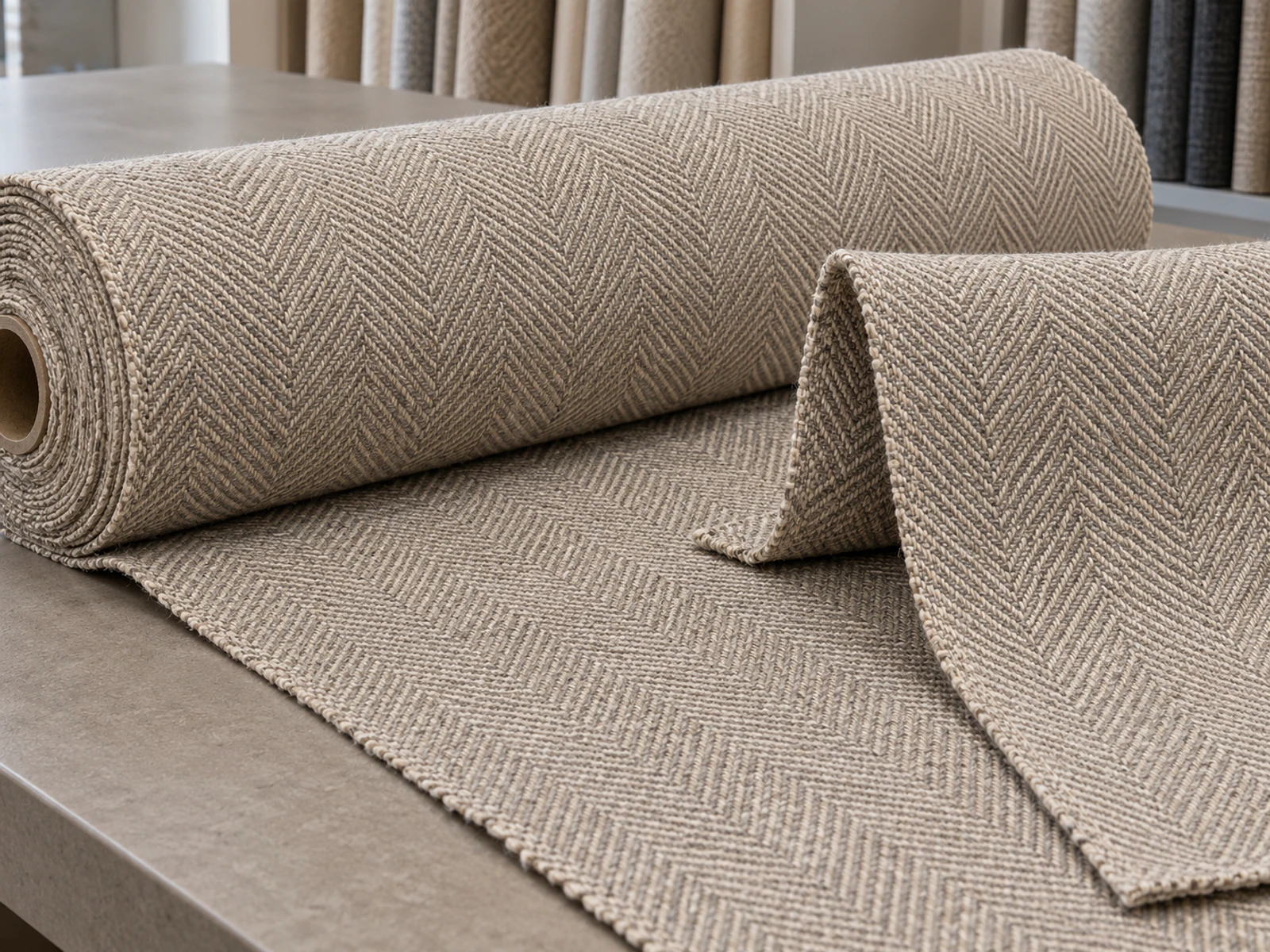
| Herringbone / twill | Broken or regular twill | Durable, drapes well, subtle pattern | Trousers, jackets, upholstery |
| Canvas | Heavy plain or basket weave | Thick, firm, hard-wearing | Bags, upholstery, workwear |
Stone-Washed and Enzyme-Washed Linen
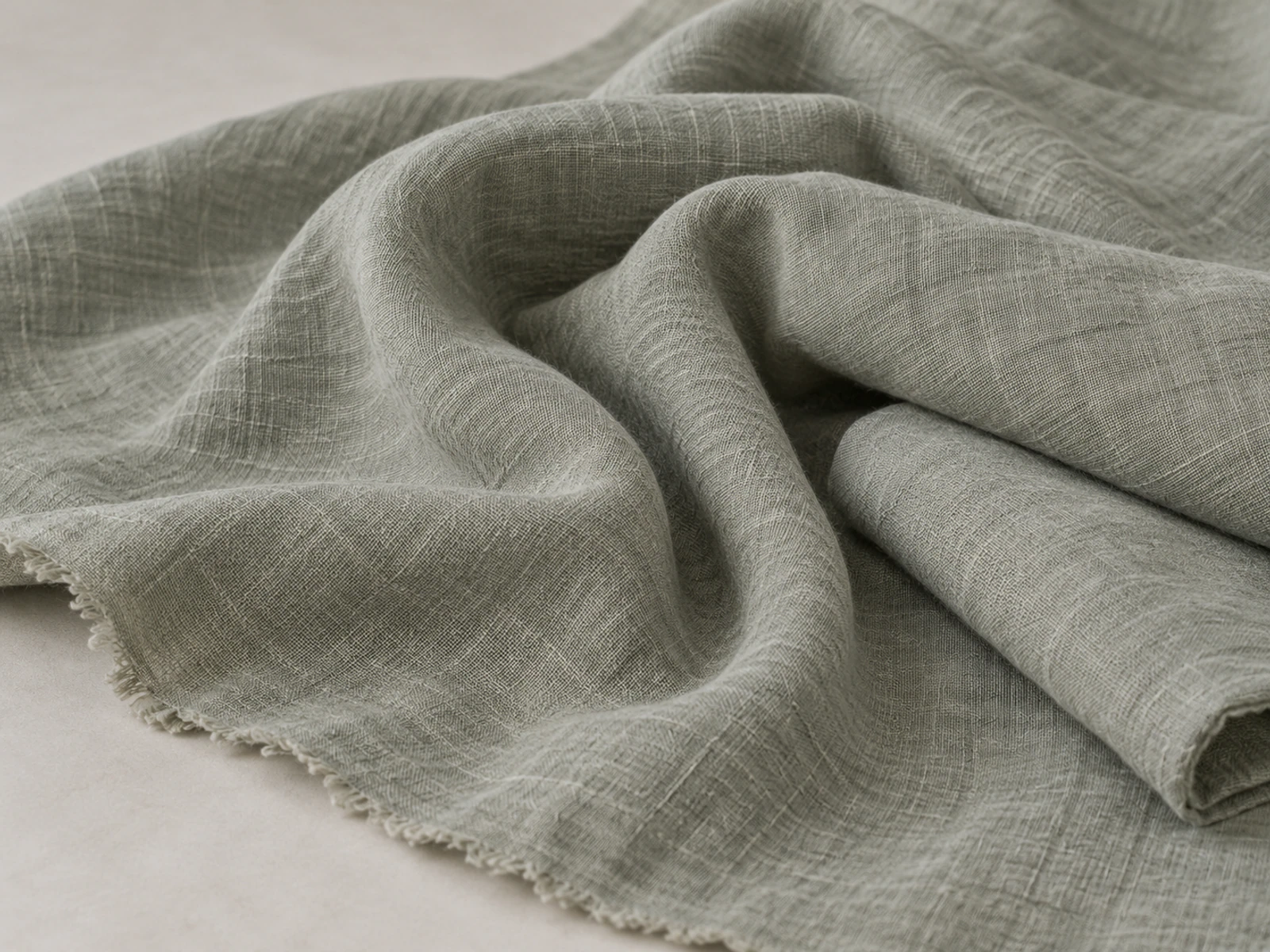
Washed linens are pre-relaxed and softened before they reach the cutting table. Stone-washed linen is tumbled with water (and sometimes pumice) to create a soft hand and crinkled, lived-in look; enzyme washing uses cellulase enzymes to remove surface fiber for a smoother, cleaner softness. Both reduce later shrinkage and are popular for bedding and relaxed apparel. Specify the finish by name and approve hand feel on a sealed swatch.
Specialty Finishes: Easy-Care, Coated and Waxed Linen
Beyond washing, linen can be finished for specific uses. Easy-care or low-crease resin finishes reduce wrinkling for shirts and uniforms, at some cost to breathability and natural hand. Coated and waxed linens are used for bags, aprons and outdoor products where water resistance matters. Each finish changes how the fabric behaves in washing and sewing, so request a finished sample and test it the way the end product will be used.
Yarn-Dyed and Piece-Dyed Linen
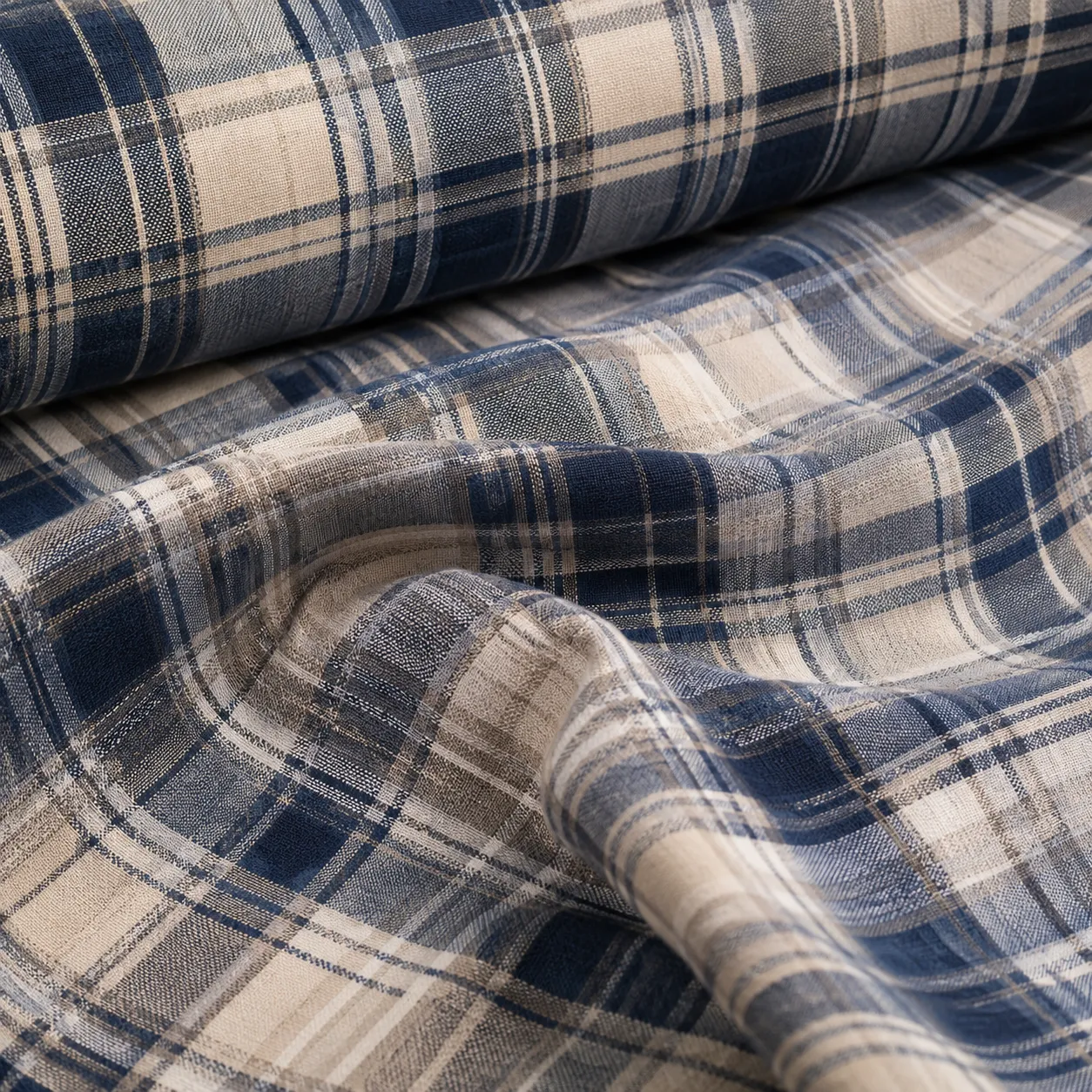
Piece-dyed linen is woven in its natural state and dyed as fabric, which suits solid colors and short lead times. Yarn-dyed linen is woven from dyed yarns to create stripes, checks and chambray effects, with richer depth but longer lead times and higher MOQs per colorway. Natural, undyed linen ranges from ivory to grey-beige, and that shade can vary by retting batch.
Natural, Bleached and Optical-White Linen
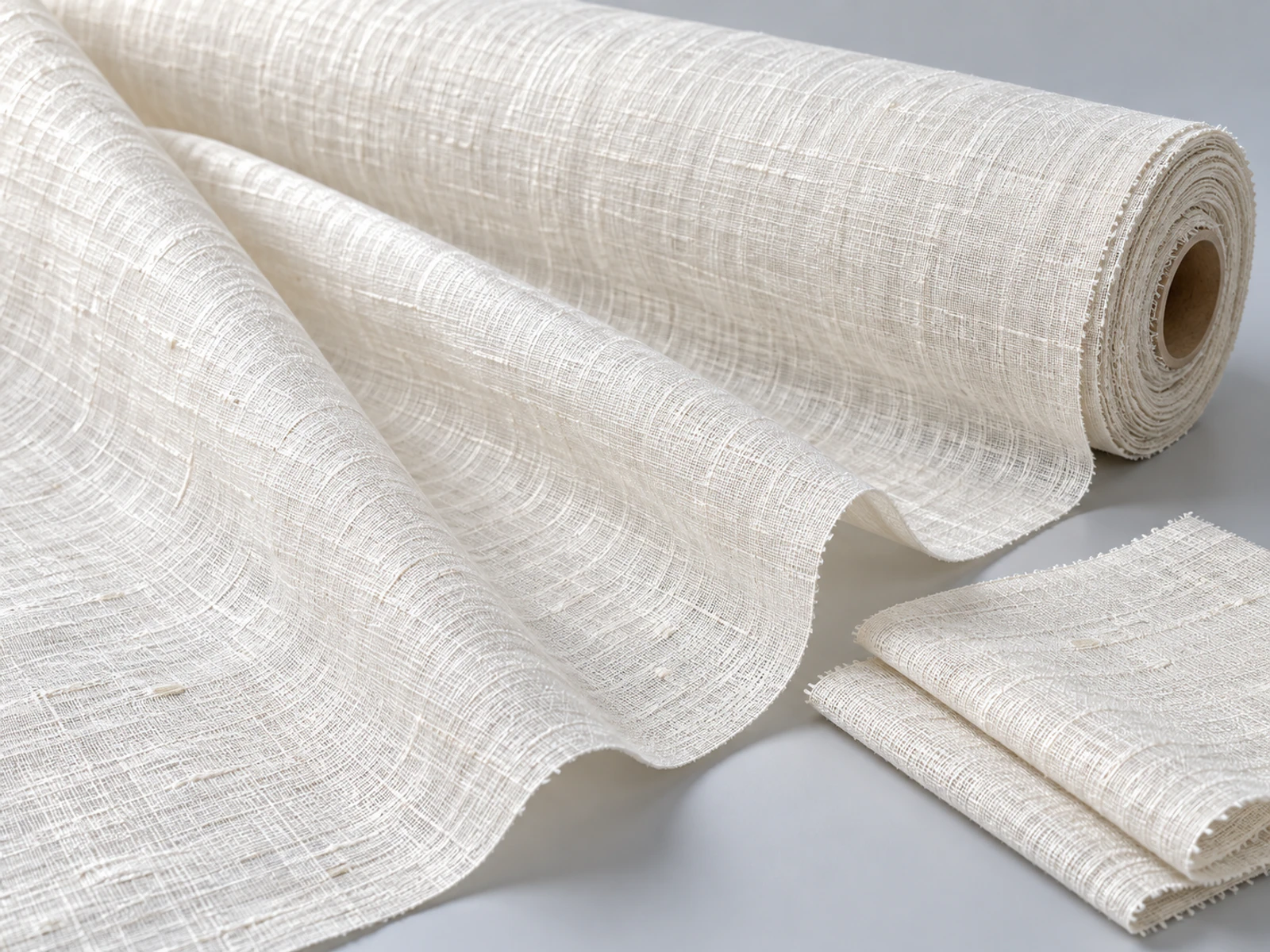
Undyed linen comes in natural shades from oatmeal and grey-beige to light ivory, depending on the flax and its retting. Half-bleached and fully bleached linens give lighter, more uniform bases for pastel dyeing; optical-white linen adds brighteners for crisp white bedding and table linen. Each step of bleaching removes a little strength and changes the hand, so specify the base you want — natural, half-bleached, full white — rather than just a color name.
Linen Blends: Linen-Cotton, Linen-Viscose, Linen-Ramie
Blends keep part of linen’s look while changing hand feel, drape, wrinkling and price. Linen-cotton is the most common; linen-viscose adds drape and fluidity for dresses; linen-ramie adds luster and stiffness for crisp shirting.
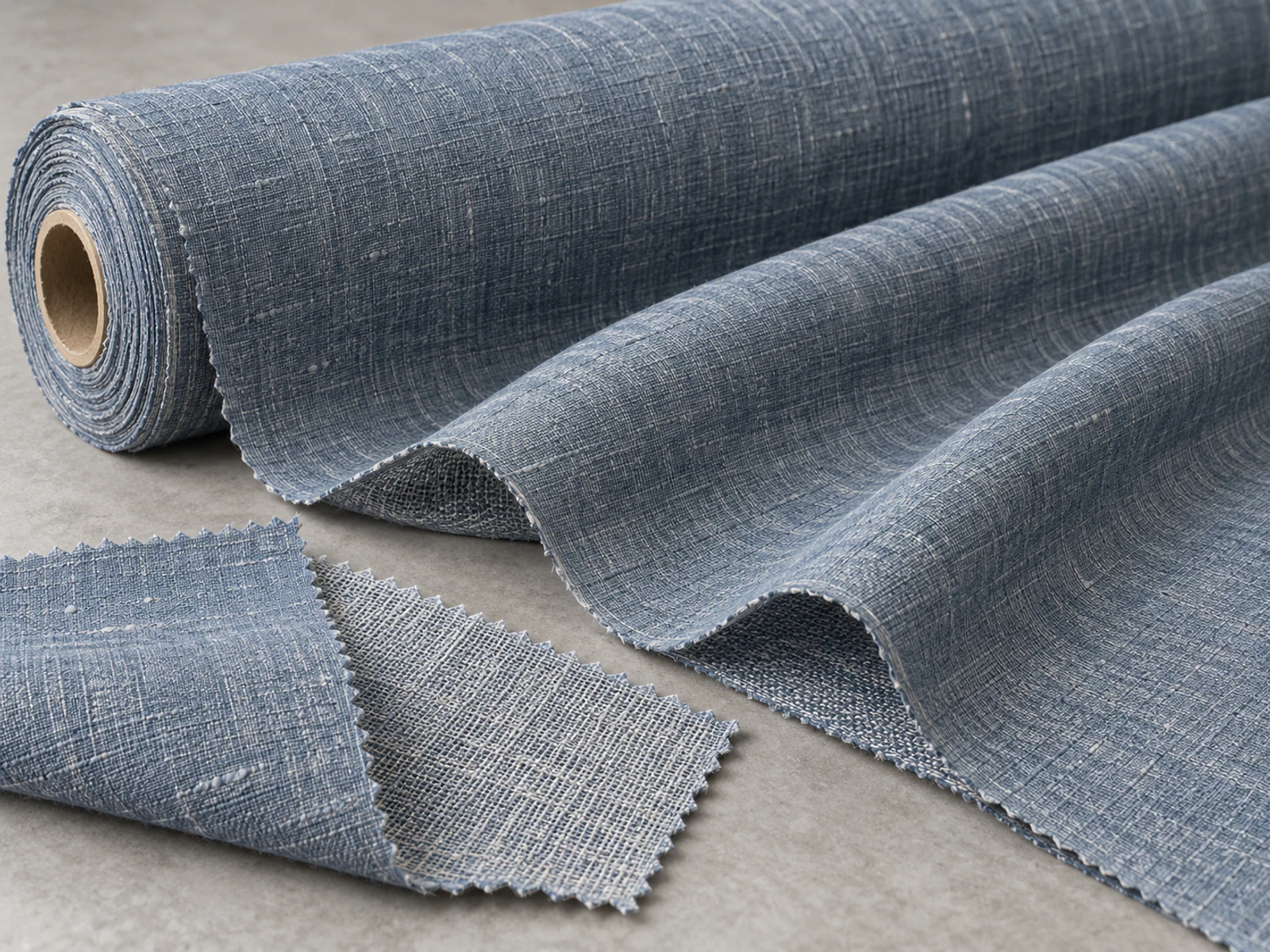
If you are comparing blends and weights for a program, our linen fabric wholesale page lists the linen, hemp, ramie and blend constructions we produce, with typical GSM and width ranges.
Linen Weight (GSM) Guide by Application
Weight is the most practical way to match linen to a product. GSM (grams per square meter) tells you how heavy and dense the fabric is, which affects drape, opacity, durability and price.
| Application | Typical linen GSM | Notes |
|---|---|---|
| Handkerchief linen, fine blouses | 80–110 | Light, slightly sheer; needs careful sewing |
| Shirts | 110–160 | Plain weave; wet-spun yarn for a smoother shirt |
| Dresses and skirts | 140–180 | Linen or linen-viscose for better drape |
| Trousers and jackets | 180–260 | Twill or herringbone holds shape better |
| Bedding (sheets, duvet covers) | 160–190 | Stone-washed; wide widths of 230–280 cm |
| Table linen | 180–250 | Plain, damask or huckaback |
| Curtains | 150–250 | Lighter for sheer looks, heavier for drape |
| Upholstery and bags | 250–400 | Canvas, herringbone or blends |
How Weight Interacts with Weave and Finish
GSM alone does not tell you how a linen will behave. A 160 GSM plain weave in fine wet-spun yarn feels lighter and smoother than a 160 GSM fabric woven from coarse tow yarn, and a stone-washed fabric of the same GSM drapes more softly than an unwashed one. Washing can also change the measured weight, because the fabric contracts and becomes denser. That is why GSM should always be specified and checked on the finished, washed fabric, together with the weave, yarn type and finish.
When you compare quotes, compare finished GSM after washing or finishing, with a tolerance (commonly ±5%). Our explainer on linen fabric weight and GSM shows how GSM is measured and converted to oz/yd², which helps when US customers specify weight in ounces.
What Is Linen Used For?
Once you know what is linen and how it behaves, its uses follow naturally. What is linen used for? Mainly products where breathability, durability or a natural premium look matter more than softness on day one or wrinkle-free care.
Shirts and Summer Apparel
Linen is the classic linen shirt material for hot climates: it breathes, dries quickly and looks better slightly creased. Lightweight plain weaves of 110–160 GSM are standard for shirts and blouses; heavier linens and linen blends work for trousers, jackets, dresses and summer suiting. Fine wet-spun yarn gives a more refined shirt; coarser yarn a casual, resort look.
Bedding and Home Textiles
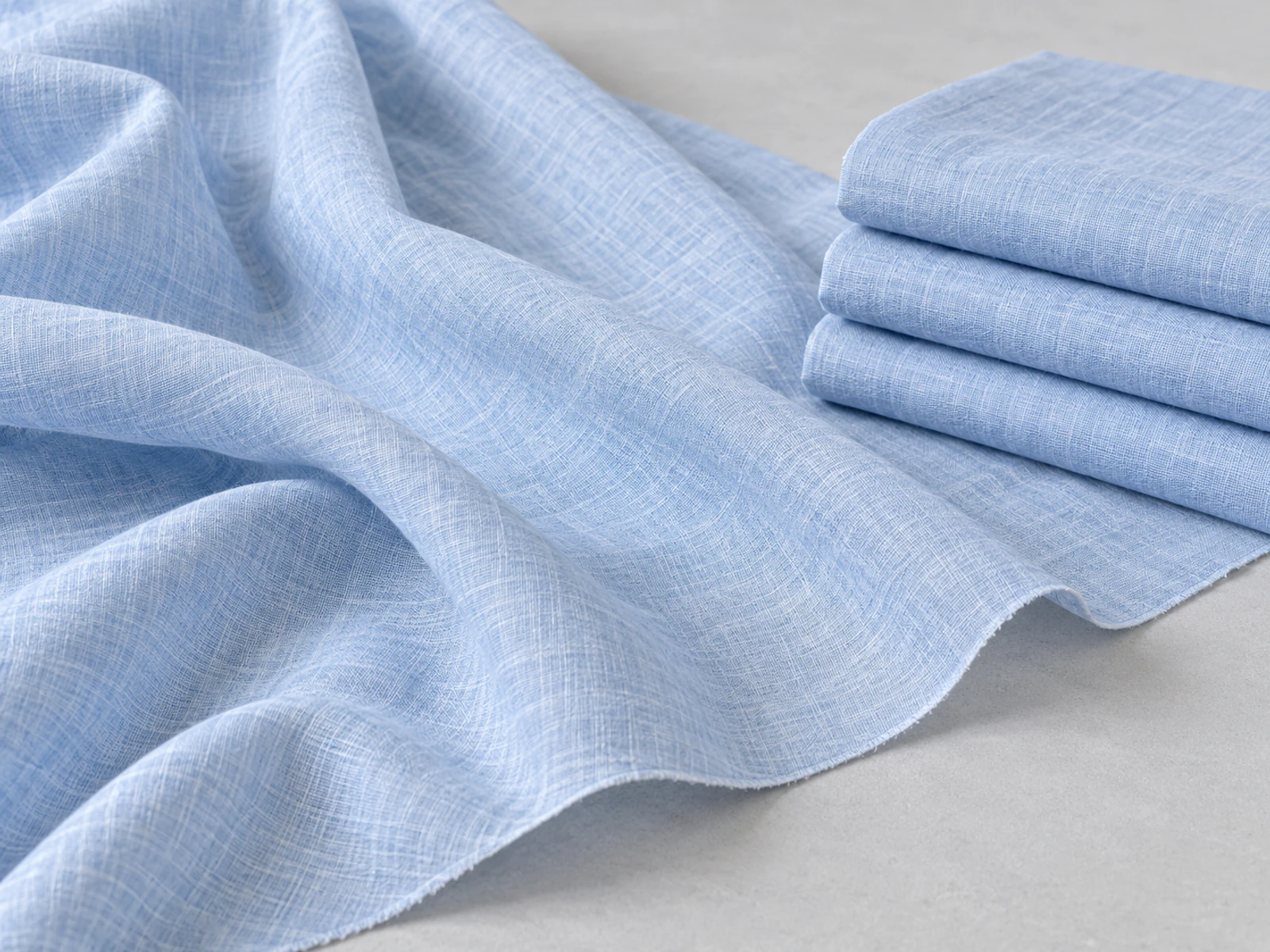
Linen bedding — sheets, duvet covers and pillowcases — has grown into a premium category because linen sleeps cool, absorbs moisture and becomes softer with every wash. Bedding usually uses stone-washed or enzyme-washed linen at around 160–190 GSM in wide widths of 230–280 cm, so that flat sheets and duvet covers can be cut without a center seam.
Table Linen, Curtains and Upholstery
Tablecloths, napkins and kitchen towels use linen for its absorbency, strength and resistance to lint. Curtains use linen’s natural texture and light-filtering quality, often in 150–250 GSM. Upholstery and cushions use heavier linen, herringbone or linen blends at 250–400 GSM; for upholstery, abrasion resistance and seam slippage should be tested.
Hospitality and Contract Textiles
Hotels, restaurants and spas use linen and linen blends for bedding, napkins and towels because they withstand frequent industrial laundering and look premium. Contract buyers usually specify heavier weights, tighter shrinkage limits and strict shade continuity across reorders, and some require flame-retardant treatments for curtains. For these programs, keep master swatches and lot records so that replacement stock matches the original installation years later.
| Product | Why linen | Watch out for |
|---|---|---|
| Summer shirts | Cool, breathable, quick-drying | Wrinkling, seam slippage |
| Bedding | Cool sleep, softens with use | Shrinkage, width, shade between lots |
| Table linen | Absorbent, strong, low lint | Fold wear, stain release |
| Curtains | Texture, light filtering | Shrinkage after cleaning, sun fading |
| Upholstery | Natural look, strength | Abrasion, seam slippage, wrinkling |
Pros and Cons of Linen Fabric
When buyers ask what is linen good for, the honest answer includes its limits too. Like any fiber, linen has clear strengths and clear limits. Weighing them against the product and customer is the best way to decide whether linen is right — or whether a blend would serve better.
| Pros | Cons |
|---|---|
| Very strong and long-lasting | Wrinkles easily |
| Highly breathable and cool | Crisp, stiff hand when new (unless washed) |
| Absorbs and releases moisture quickly | Shrinks if not pre-shrunk |
| Pills very little | Higher and more volatile price than cotton |
| Softens and improves with washing | Fold wear along sharp creases |
| Natural, premium appearance | Natural slubs and shade variation must be managed |
How to Explain Linen’s Character to Customers
Many linen returns are expectation problems rather than quality problems. Customers who expect a smooth, crease-free cotton feel may read slubs as defects and wrinkles as poor quality. Brands that sell linen successfully usually explain on hangtags and product pages that slubs and gentle creasing are natural features, that the fabric softens with each wash, and that it should be washed at moderate temperatures. Clear expectations reduce complaints more than any finishing treatment.
When Linen Is the Right Choice
Choose linen when the product is sold on coolness, longevity and natural texture: summer shirts, premium bedding, table linen and curtains. Customers who buy linen generally accept, or even prefer, a relaxed look.
When a Blend or Another Fiber May Be Better
If the customer expects a smooth, crease-resistant product, very sharp prints or a low retail price, a linen-cotton or linen-viscose blend — or cotton — may be the better commercial choice. Many brands use 55/45 or 30/70 linen-cotton to deliver the linen look with easier care.
Hemp and Ramie: Linen’s Close Relatives
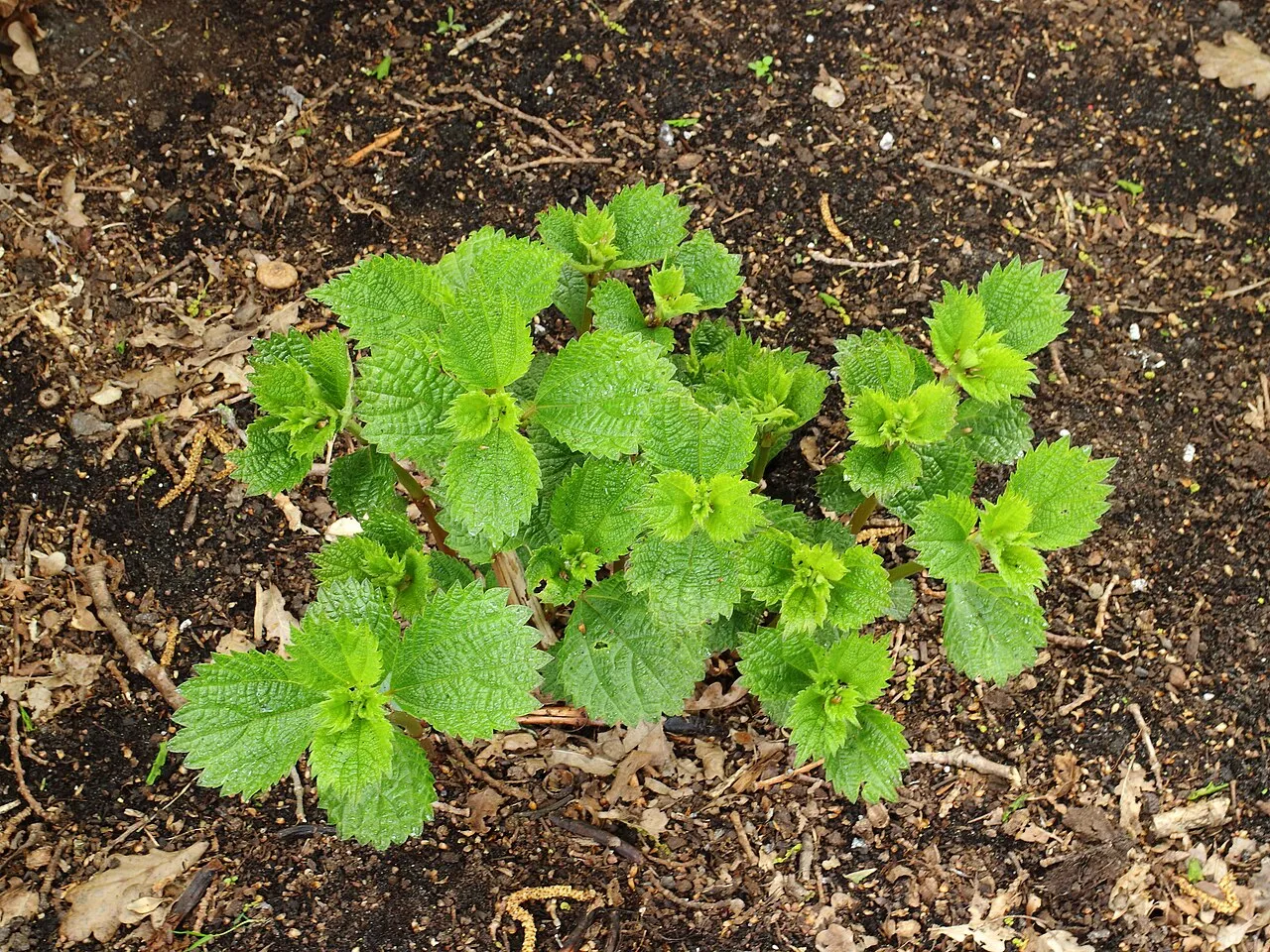
Part of understanding what is linen is knowing what it is not. Hemp and ramie are also bast fibers from plant stems, and they are often confused with linen. All three share high strength, breathability and a tendency to wrinkle, but each has its own character.
| Fiber | Plant | Character | Common uses |
|---|---|---|---|
| Linen (flax) | Flax, Linum usitatissimum | Strong, cool, soft luster, wrinkles | Shirts, bedding, table linen |
| Hemp | Cannabis sativa (industrial hemp) | Very durable, slightly coarser, dry hand | Canvas, casualwear, home textiles |
| Ramie | Boehmeria nivea (nettle family) | High luster, crisp, very strong | Shirting, blends with cotton or linen |
How They Differ in Practice
Hemp fabric feels slightly coarser and drier than linen and is extremely durable, which suits canvas, bags and workwear. Ramie has a bright, silky luster and crisp hand, but it is less elastic than linen and can be brittle at sharp folds, so it is often blended. Both are processed in ways similar to flax and need the same attention to pre-shrinking and slub control. For a full guide to the fiber, its blends and how it compares with linen, see our article on what ramie fabric is.
Sourcing Hemp and Ramie Alongside Linen
Many mills that weave linen also weave hemp and ramie, and blends of the three are common: linen-ramie for lustrous shirting, hemp-cotton for durable casualwear, linen-hemp for rustic home textiles. If you plan a natural-fiber range, sampling linen, hemp and ramie together on the same base construction makes it much easier to compare hand feel, color and price side by side before choosing.
Why It Matters for Labeling
Because hemp and ramie can look like linen, fiber content must be stated precisely on specifications and labels. A fabric sold as “linen” that is actually ramie or hemp may perform well — but it is a different fiber, and labeling must say so.
How to Check Linen Quality Before Bulk Production
Good linen quality is not visible from a swatch alone. These six steps are the checks we recommend — and run ourselves — before a linen order goes into bulk production.
Step 1 — Confirm Fiber Content and Yarn Type
Quality checks start with a clear answer to what is linen in your specific order. Ask the mill to confirm, in writing, the exact fiber content (for example “100% linen” or “55% linen / 45% cotton”) and the yarn: line or tow, wet- or dry-spun, and yarn count. These determine hand feel, slubs and price more than any other factor.
Step 2 — Check Construction, GSM and Width
Confirm the weave, ends and picks per inch, finished GSM with tolerance and cuttable width. Ask how GSM was measured. Linen is harder to weave than cotton, so loom type and settings matter; our overview of fabric weaving machine types explains how rapier, air-jet and other looms affect fabric consistency.
Step 3 — Inspect Appearance Against a Reference
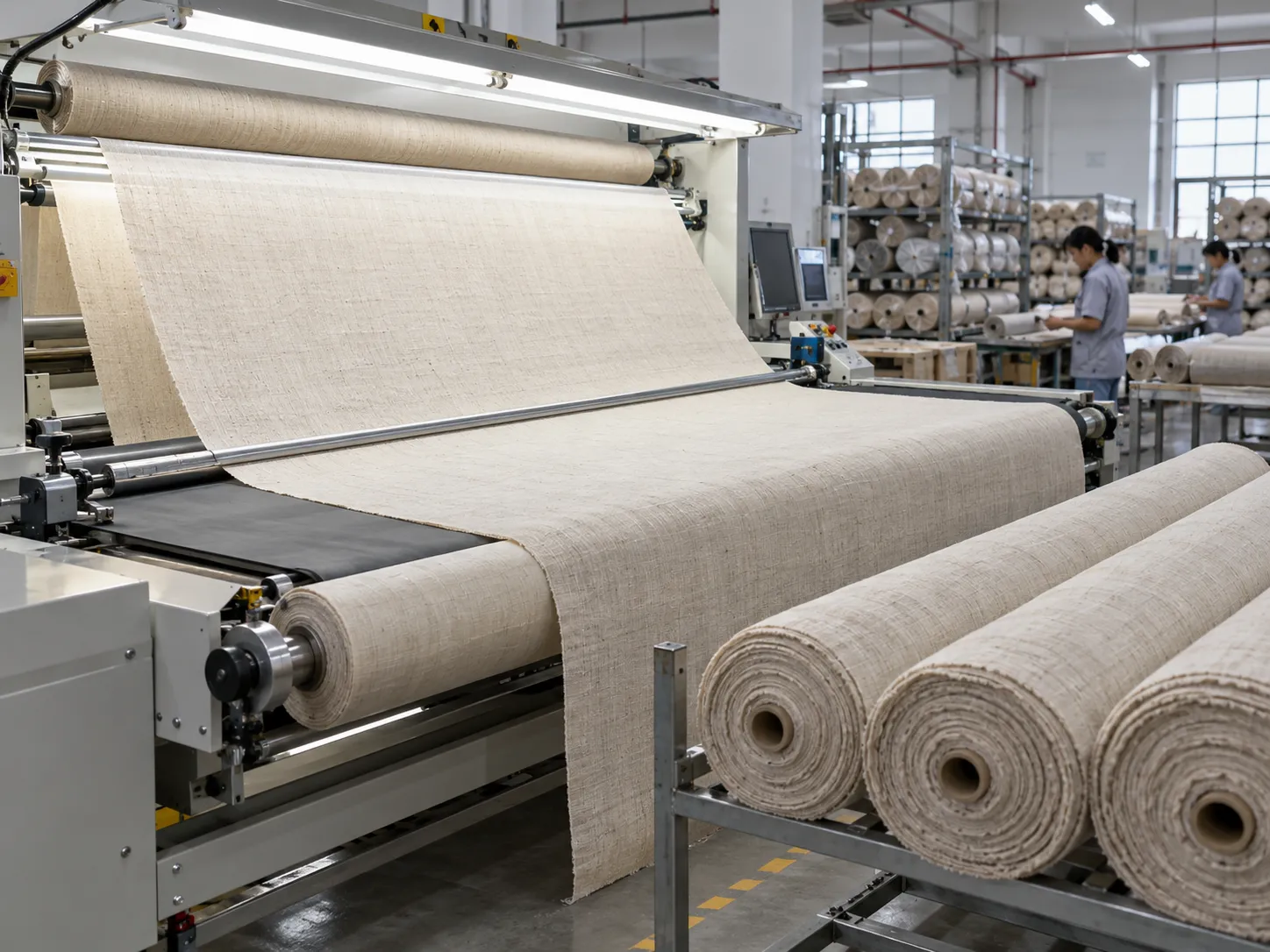
Inspect the fabric on a lit inspection table against an approved reference for slub level, neps, thick and thin places, barre and shade. Agree a defect-point system and which slub sizes count as defects, because some slubs are an intended feature of linen.
Record findings roll by roll. A roll-level inspection report with defect points, shade group and measured width gives you a factual basis for accepting, re-grading or rejecting fabric, and it helps the mill trace problems back to a specific loom or finishing batch.
Step 4 — Test Shrinkage
Shrinkage decides whether finished sheets and garments keep their size. Test it on finished fabric, after the agreed laundering, before approving bulk.
- Cut specimens from the beginning, middle and end of the lot.
- Mark warp and weft benchmarks.
- Launder and dry under the agreed AATCC TM135 condition and number of cycles.
- Re-measure the same points and calculate dimensional change.
- Compare against the limit and record by lot number.
Step 5 — Check Colorfastness and Shade
Test colorfastness to washing, rubbing and light, especially for dark linen shades, which can show poor wet rubbing if not well washed off. Approve shade under D65 and a store light and set shade bands per lot. Our guide to colorfastness test standards explains which tests and grades to request.
Step 6 — Approve a Sealed Sample and Write the PO
Approve a pre-production sample from the bulk process, keep a sealed half at each side, and write every agreed value into the PO.
Weight: 175 GSM ± 5% (finished, ASTM D3776) · Cuttable width: 260 cm
Dimensional change: ≤ 3% L/W, AATCC TM135, 3 cycles, agreed wash/dry condition
Slubs: within approved reference · Color: match lab dip under D65, shade bands per lot
You can also send your specification to our team through the contact page for matching options and test data.
How to Care for Linen
Knowing what is linen made of also explains how to care for it: flax is a strong but inelastic cellulose fiber. Care instructions should match how the fabric was tested and finished. These guidelines suit most pre-shrunk or washed linens; always confirm against your own test results before printing care labels.
| Care step | Recommendation | Why |
|---|---|---|
| Washing | Machine wash 30–40 °C, gentle cycle, mild detergent | Limits shrinkage and fiber stress |
| Bleach | No chlorine bleach | Weakens flax fiber and yellows it |
| Drying | Line dry or low tumble; remove while slightly damp | Over-drying makes linen stiff and increases creasing |
| Ironing | Iron while damp at medium-high heat, or leave relaxed | Damp linen presses easily; dark shades iron on the reverse |
| Storage | Store dry and loosely folded or rolled; vary fold lines | Avoids fold wear along repeated creases |
How Linen Changes Over Its Life
Linen improves with use. Over the first washes it becomes noticeably softer and more supple, its surface becomes slightly more matte, and natural shades may lighten a little. Well-made linen bedding and table linen can be used for many years; the main signs of wear are thinning along repeated fold lines and fading in strong sunlight. Rotating sets and varying fold lines extends its life considerably.
Pressing and Finishing in Garment Production
In garment and bedding factories, linen should be pressed with steam at a moderate to high setting, ideally on the reverse for dark shades to avoid shine. Pressing pre-shrunk linen is straightforward; pressing linen that has not been relaxed can lock in creases and hide shrinkage that appears later at the customer’s first wash. If your product is sold with a crisp, pressed look, confirm that the fabric’s shrinkage has been tested under the same conditions your customers will use.
Care Notes for Brands and Retailers
- Print care instructions that match the shrinkage test conditions in your PO.
- For stone-washed linen, tell customers the relaxed look is intentional.
- For dark linens, recommend washing with similar colors for the first few washes.
- For bedding, suggest a wash before first use to bring out softness.
Free samples
Get Free Fabric Samples — Shipped Within 5 Days
Tell us the fabric you need and roughly how much. We reply within 24 hours and ship free samples within 5 days. Linen, hemp, ramie and linen-cotton blends · MOQ 500 m · bulk in 20–35 days.
Prefer chat? Message us on WhatsApp: +86 188-2515-3652
Frequently Asked Questions About Linen
What is linen made of?
Linen is made of flax fiber — the long cellulose fibers inside the stem of the flax plant. The fibers are separated by retting, scutching and hackling, spun into yarn and woven into fabric. Pure linen contains no synthetic material.
Is linen breathable?
Yes, linen is one of the most breathable fabrics. Its stiff yarns leave space for air to move, and flax absorbs and releases moisture quickly, so linen feels cool and dry in hot, humid weather.
Is linen expensive?
Linen usually costs more than cotton. Flax is a much smaller crop, its processing takes more steps, fine yarn is wet-spun on slower systems and supply depends on harvests, so both price and lead time can vary more than cotton.
Does linen shrink?
Yes, unless it is pre-shrunk or washed. Untreated linen can shrink noticeably at the first wash. For bulk orders, specify a limit such as ≤ 3% in length and width and the test method, for example AATCC TM135 with agreed wash and dry conditions.
Why does linen wrinkle?
Flax fiber has very low elasticity, so it bends and stays bent instead of springing back. Washed finishes, blends with cotton or viscose, and easy-care treatments reduce wrinkling, but some creasing is part of linen’s character.
Is linen good for summer?
Yes. Linen is a classic summer fabric because it is breathable, absorbent and quick-drying, and it does not cling to damp skin. Lightweight plain-weave linen of 110–160 GSM is typical for summer shirts and dresses.
What is the difference between linen and flax?
Flax is the plant and the raw fiber; linen is the yarn and fabric made from it. In everyday use the words overlap, but in the trade “flax” usually refers to fiber and farming, and “linen” to textile products.
Is linen sustainable?
Flax generally needs little irrigation and the whole plant can be used, which gives linen a good reputation. Real impact still depends on retting, spinning, dyeing and finishing, so ask suppliers for origin and process information rather than relying on the fiber name.
Is linen durable?
Yes. Flax is one of the strongest natural fibers, linen is even stronger when wet, and it pills very little. With proper care, linen bedding and table linen often outlast cotton equivalents; avoid sharp, repeated creases that cause fold wear.
Where does linen come from?
Most high-quality long flax fiber is grown in northern France, Belgium and the Netherlands, while a large share of linen yarn and fabric is spun and woven in Asia, including China. Origin claims should be backed by documentation.
Need Linen Fabric for Your Next Program?
We weave and finish linen, hemp, ramie and linen blends for apparel and home textiles, including stone-washed bedding in wide widths. Send us the product, target GSM, width and test limits, and we will reply with matching options, swatches and test reports.