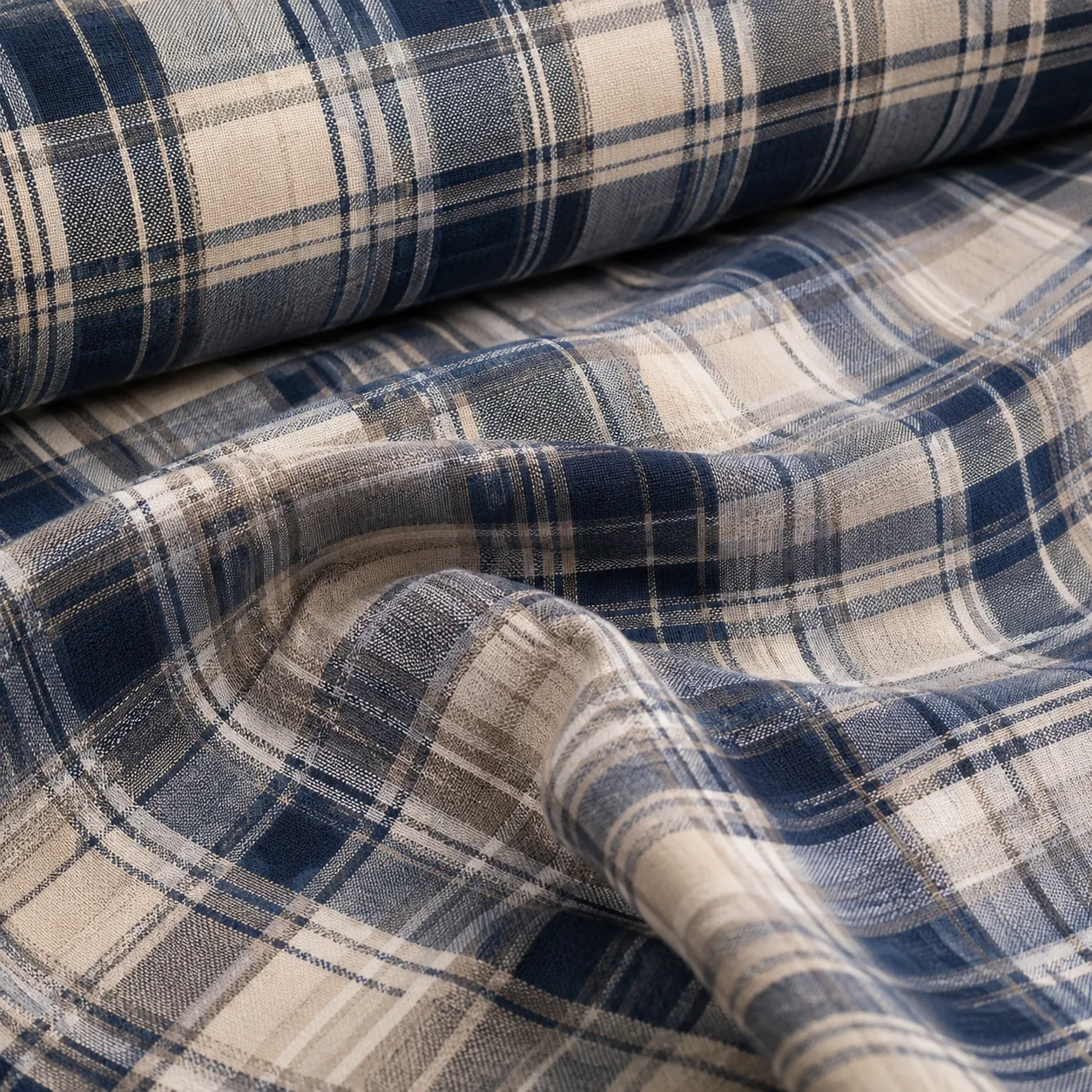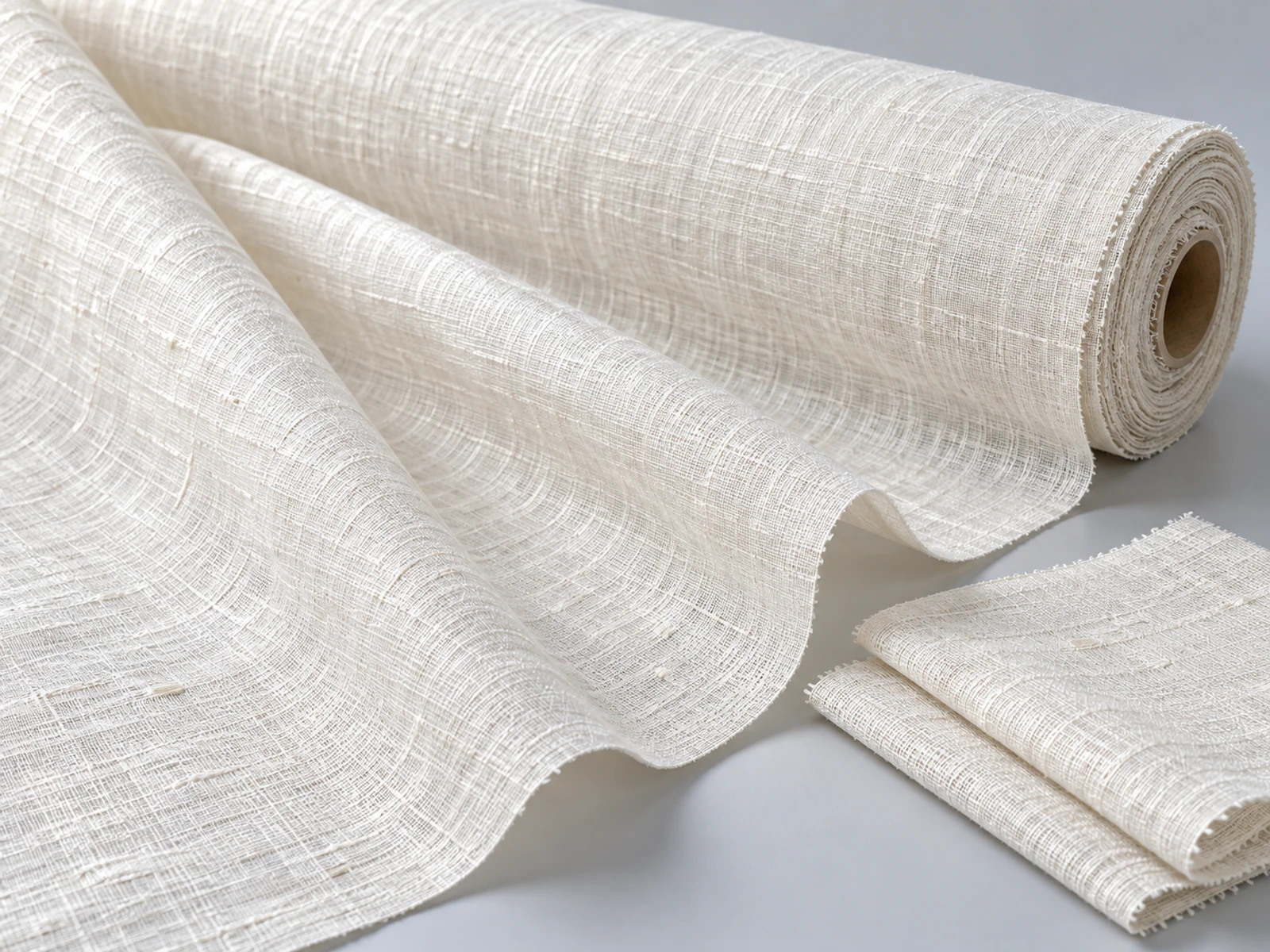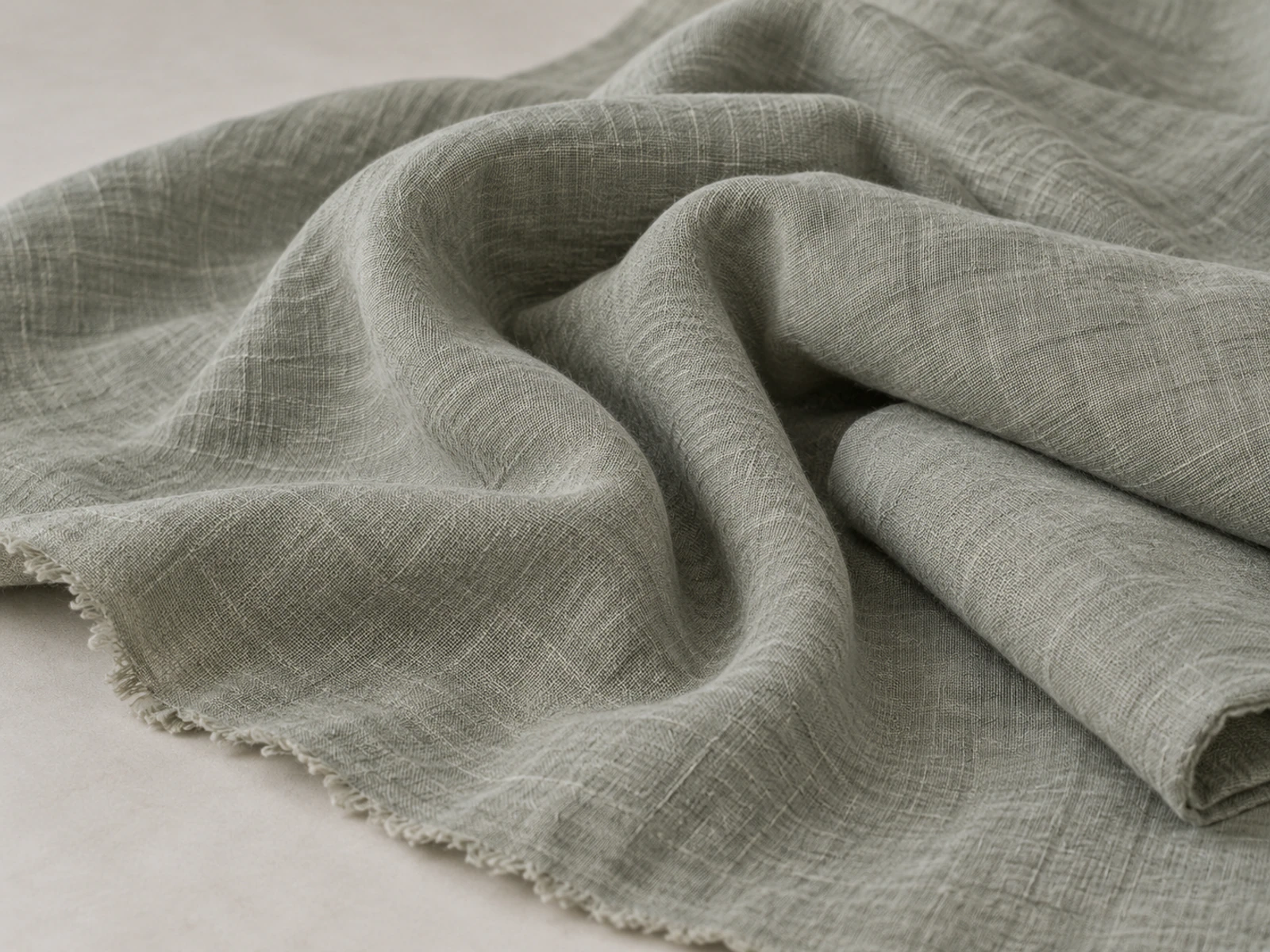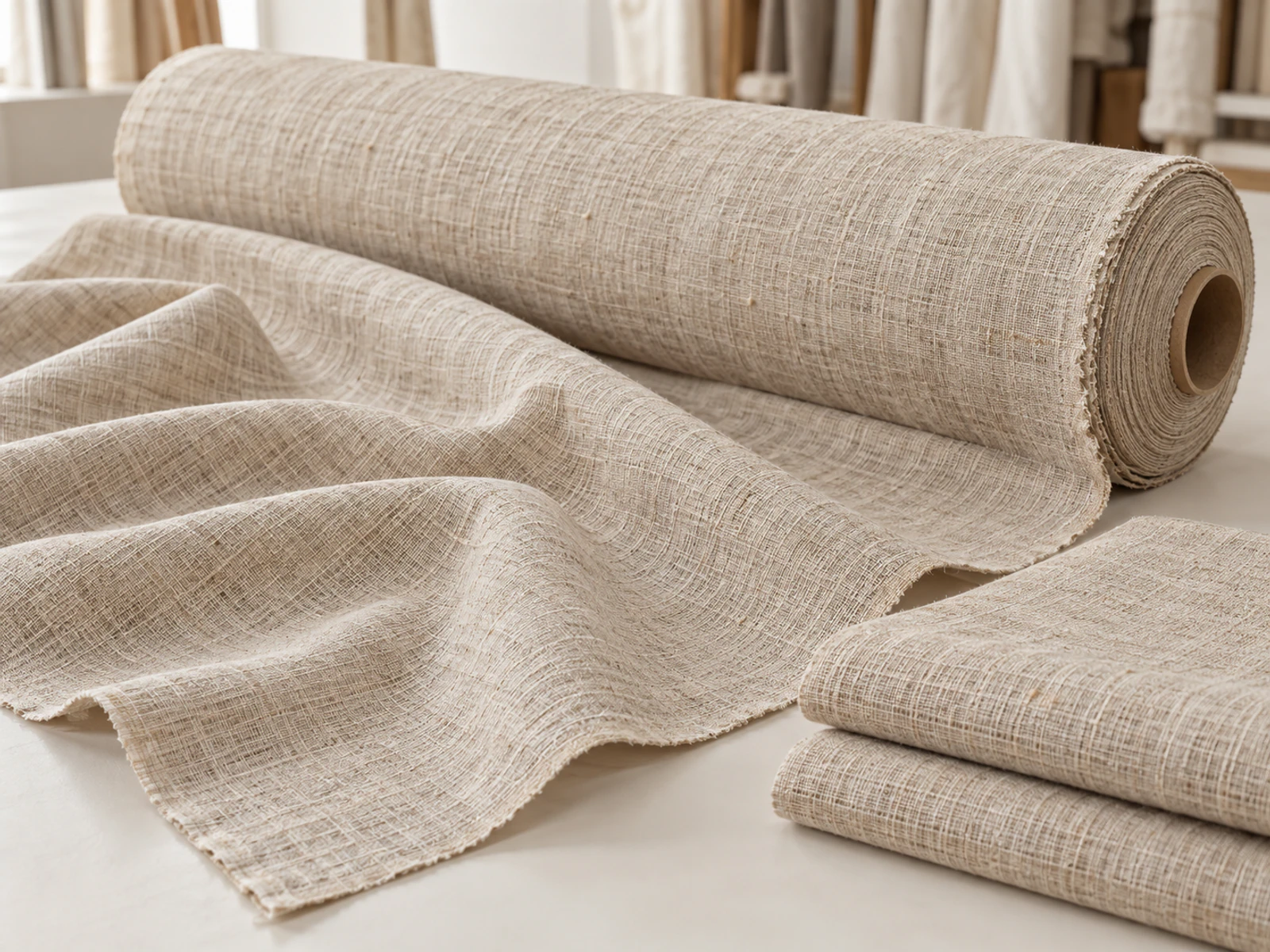

Taffeta, pongee and 600D Oxford fabric are the three woven polyester fabrics behind most jackets, umbrellas, tents, bags and covers. On a quotation they look like a string of codes — 190T taffeta, 240T pongee, 600D Oxford, PU 2000 mm — and two fabrics with the same name can differ in yarn, density, weight and coating.
This guide is written for product developers and buyers at garment, umbrella, tent and bag factories. It explains what separates the three fabrics, how to read denier (D) and T-count, which construction and coating suit each product, and which tests to write into the purchase order.
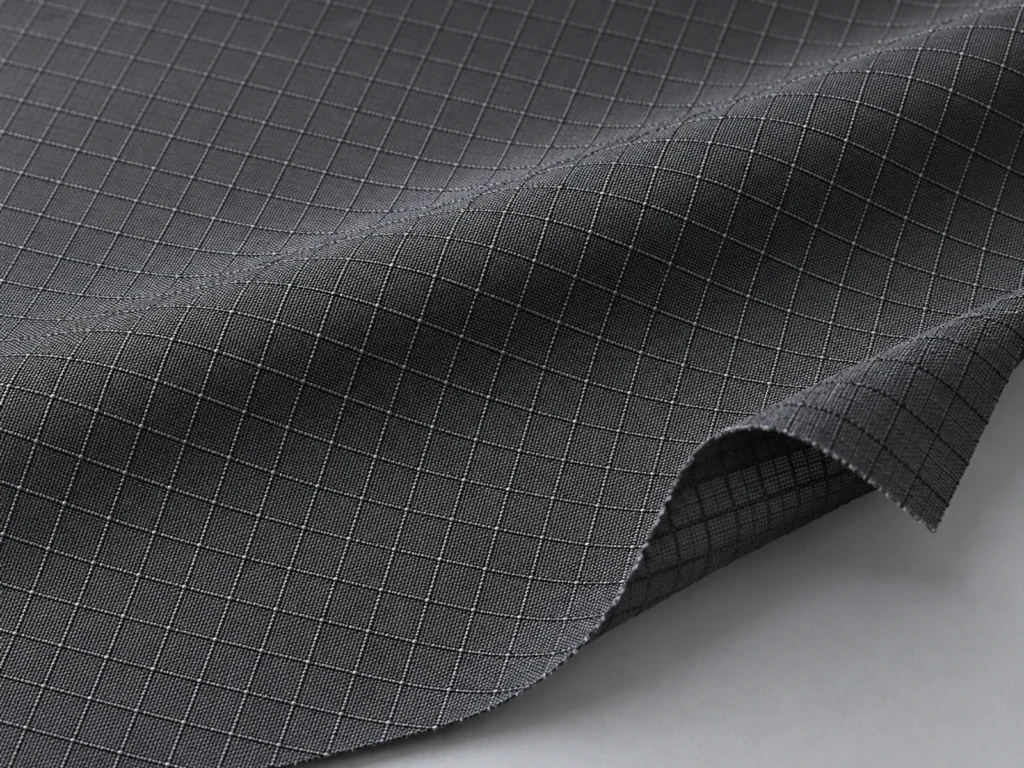
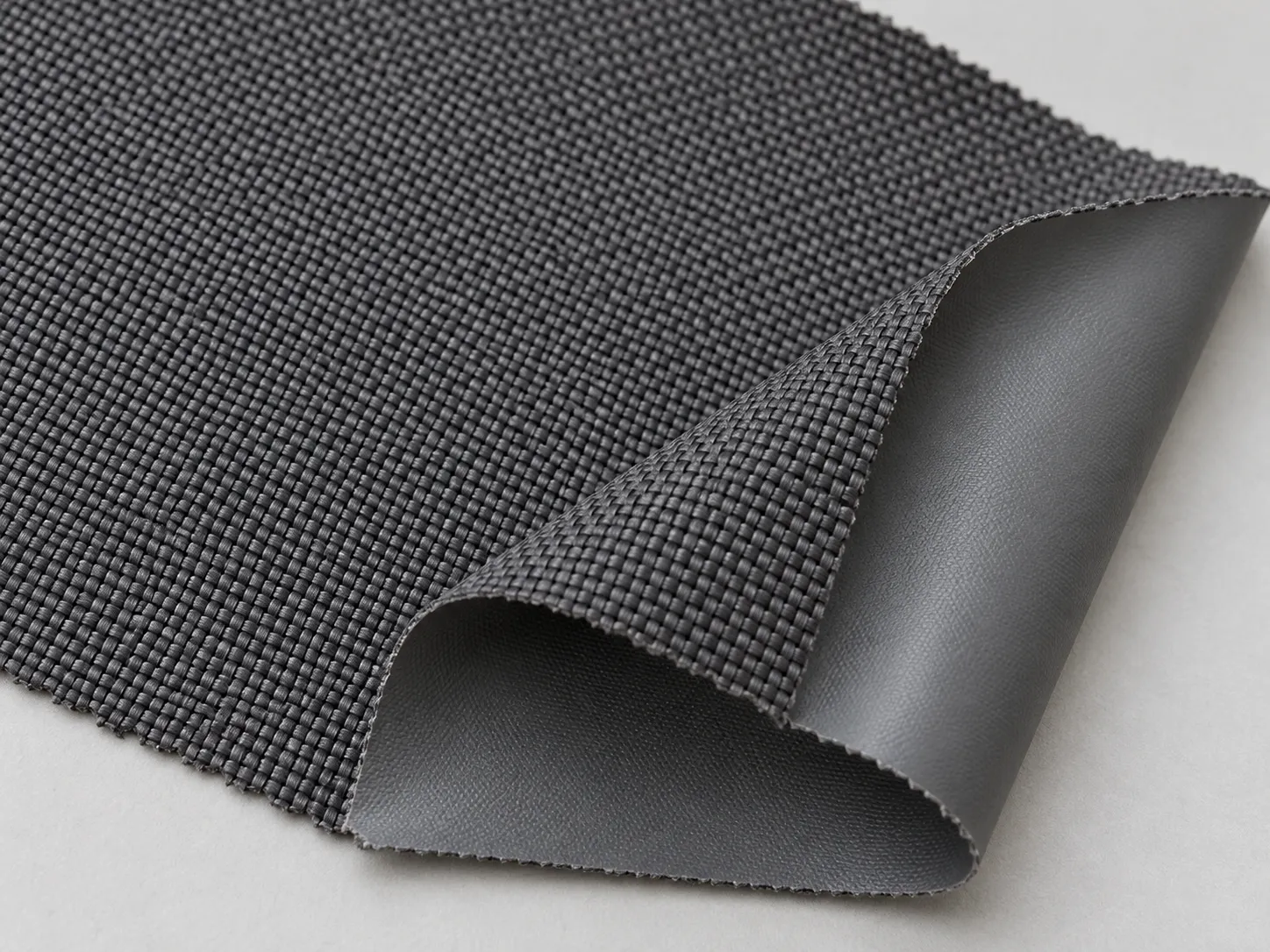
Taffeta is a crisp, plain-woven polyester made from smooth filament (FDY) yarn — the standard choice for linings and umbrellas. Pongee is also plain-woven, but uses textured (DTY) yarn in at least one direction, so it is softer and fuller — used for jacket shells, down jackets and coated umbrellas. 600D Oxford fabric is woven from yarns about eight times heavier, in a basket or heavy plain weave — the standard for backpacks, luggage, tent floors, awnings and covers.
Taffeta and pongee are specified by T-count (density, e.g. 190T, 210T); Oxford is specified by yarn denier (e.g. 600D). Waterproofing comes from the coating, not the base fabric.
What Is the Difference Between Taffeta, Pongee and Oxford Fabric?
The difference is the yarn. All three are usually 100% polyester and woven on water-jet looms, but taffeta uses fine smooth filament yarn, pongee replaces some or all of it with textured yarn, and Oxford uses yarns several times thicker. Yarn type decides hand feel and bulk; yarn thickness decides weight, abrasion resistance and which products the fabric can make.
| Taffeta | Pongee | Oxford | |
|---|---|---|---|
| Yarn | FDY filament, warp and weft | FDY warp + DTY weft (semi-elastic) or DTY both ways (full-elastic) | Thick FDY or DTY, typically 150D–1680D |
| Weave | Plain | Mostly plain; some qualities twill | Basket (2×1, 2×2) or heavy plain |
| Usually specified by | T-count: 170T, 190T, 210T | T-count: 190T–300T | Denier: 210D, 300D, 420D, 600D, 900D |
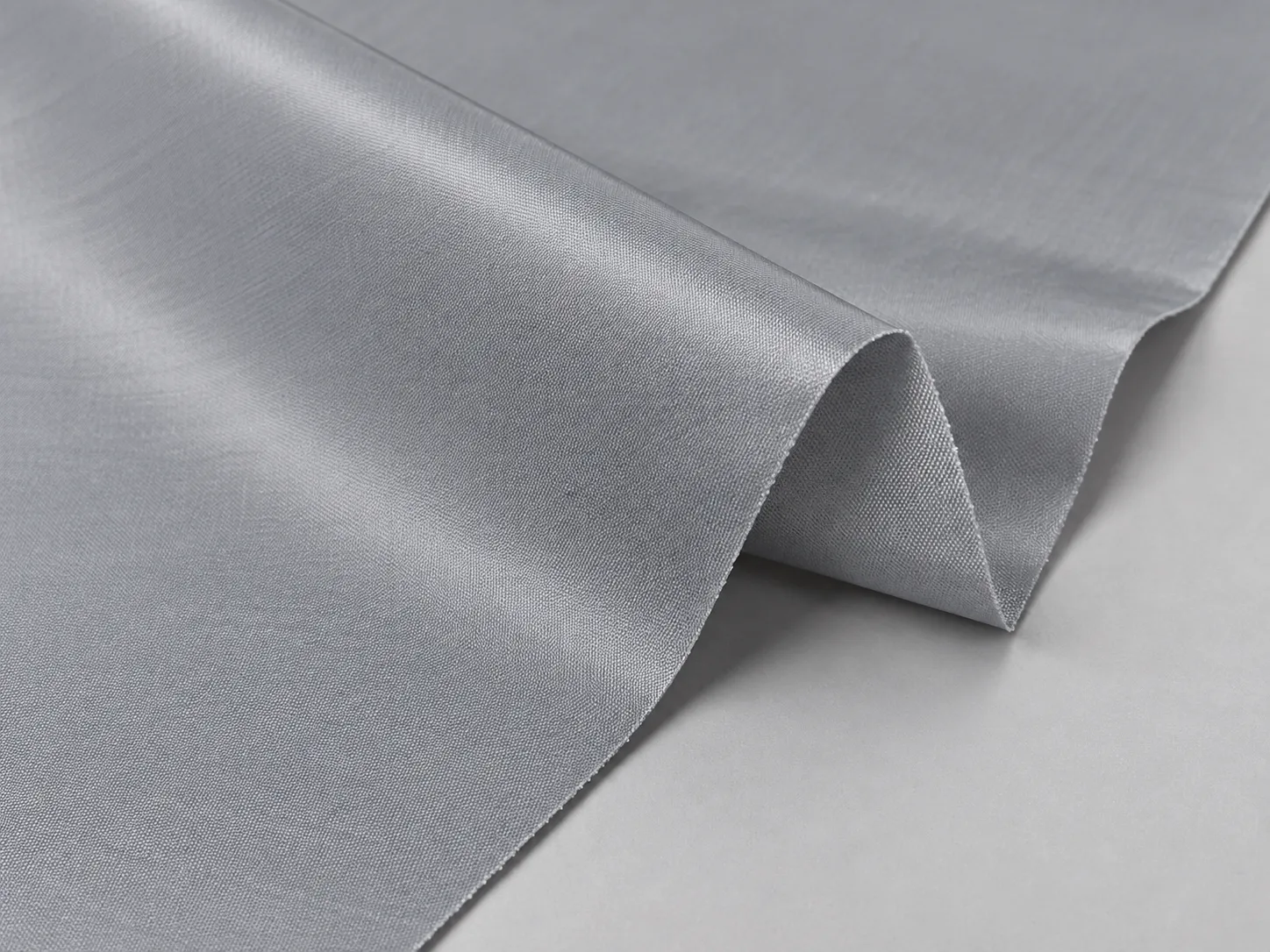
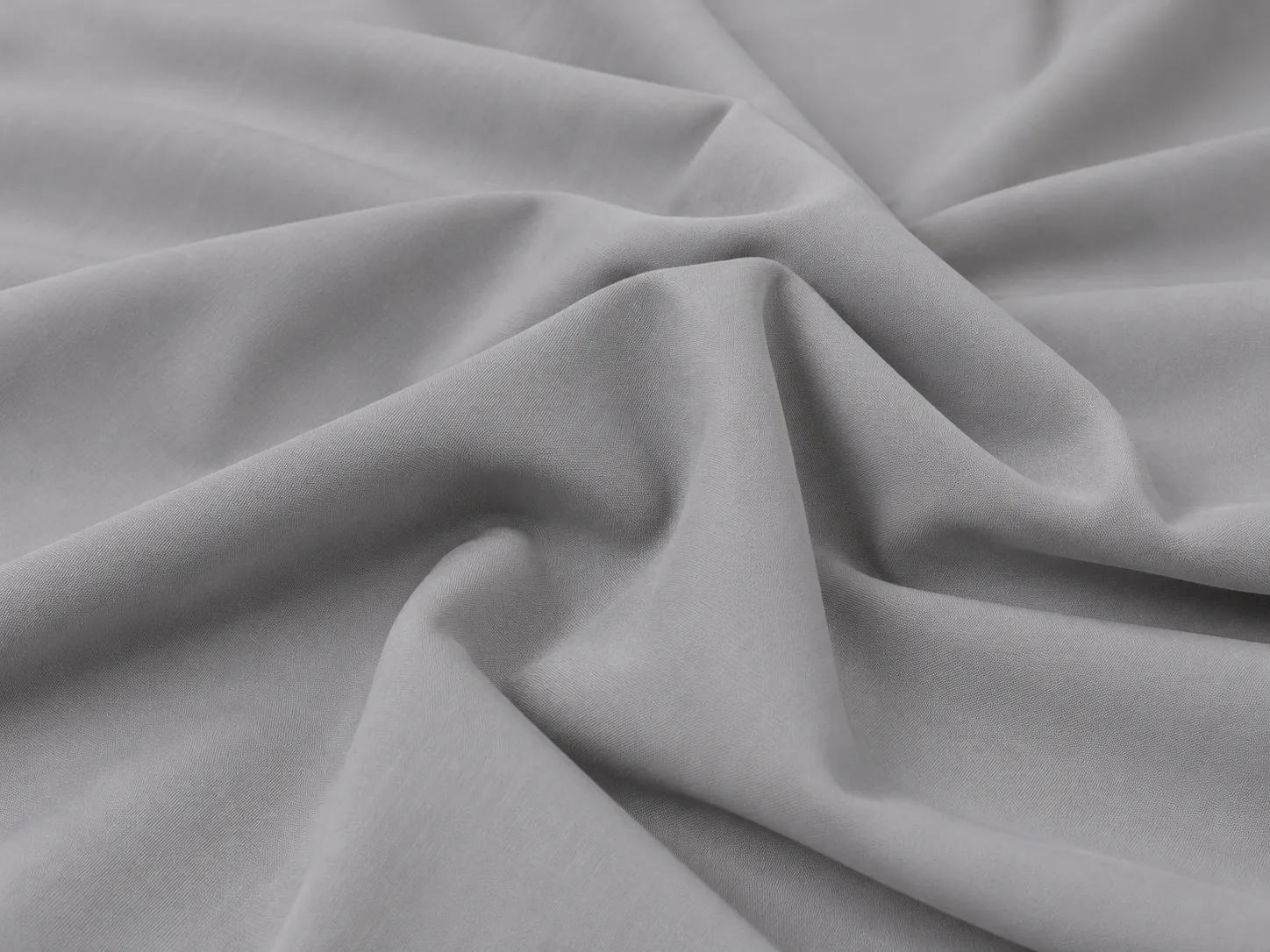
| Hand feel | Crisp, smooth, slight rustle | Softer, fuller, less glossy | Firm, stiff, visible yarn texture |
| Typical uses | Linings, umbrellas, bag linings, flags | Jacket shells, down jackets, coated umbrellas, ponchos | Backpacks, luggage, tent floors, awnings, car and equipment covers |
Yarn and weave descriptions follow common Chinese mill specifications (see Sources). T-count and denier ranges are typical trade values, not limits.
Taffeta: Smooth Filament, Crisp Hand
Polyester taffeta is a plain weave of fully drawn filament yarn (FDY) in both warp and weft. The flat, untextured yarn gives a smooth, slightly shiny surface and a crisp hand that rustles when moved. It is light, easy to sew and low in cost, which is why it dominates garment linings and is widely used for umbrellas, sleeping-bag liners and printed flags. The common grades are 170T, 190T and 210T; a higher T-count means a denser, firmer fabric.
Pongee: Textured Yarn, Softer and Fuller
Pongee is woven like taffeta but uses drawn textured yarn (DTY) — yarn with crimp and bulk — in at least one direction. Mills distinguish two main types:
- Semi-elastic pongee: FDY warp (for example 60D/24F) with a DTY weft. Smoother, closer to taffeta.
- Full-elastic pongee: DTY in warp and weft, commonly 75D/72F, with 240T and 300T the most common grades. Softer, fuller and more “fabric-like”.
The textured yarn makes pongee less shiny and more comfortable as an outer shell, and gives a better base for coatings, calendering and printing. It is the default shell for down jackets, windbreakers, children’s outerwear and coated umbrellas.
Oxford Fabric: Thick Yarns, Heavy-Duty Structure
In the outdoor and bag trade, “Oxford” means a woven fabric made from heavy polyester (or nylon) yarns, usually from 150D up to 900D, and 1680D for ballistic-style luggage fabric. The yarns are woven in pairs (basket weave) or as a heavy plain weave, which gives a firm, textured surface. 600D Oxford fabric is the most common grade because it balances weight, stiffness and abrasion resistance for everyday bags. Almost all outdoor Oxford is sold coated — PU, PVC or silver — because the base fabric itself is not waterproof.
Polyester Oxford Is Not Cotton Oxford Shirting
The same word describes a completely different fabric in shirting: a soft cotton or cotton-blend basket weave for button-down shirts. If your spec just says “Oxford”, a mill may quote either. Always state the fiber and the denier — “100% polyester 600D Oxford fabric, PU coated” — and see our poplin vs Oxford vs twill guide for the shirting version.
What Does Denier (D) Mean on a Polyester Fabric Spec?
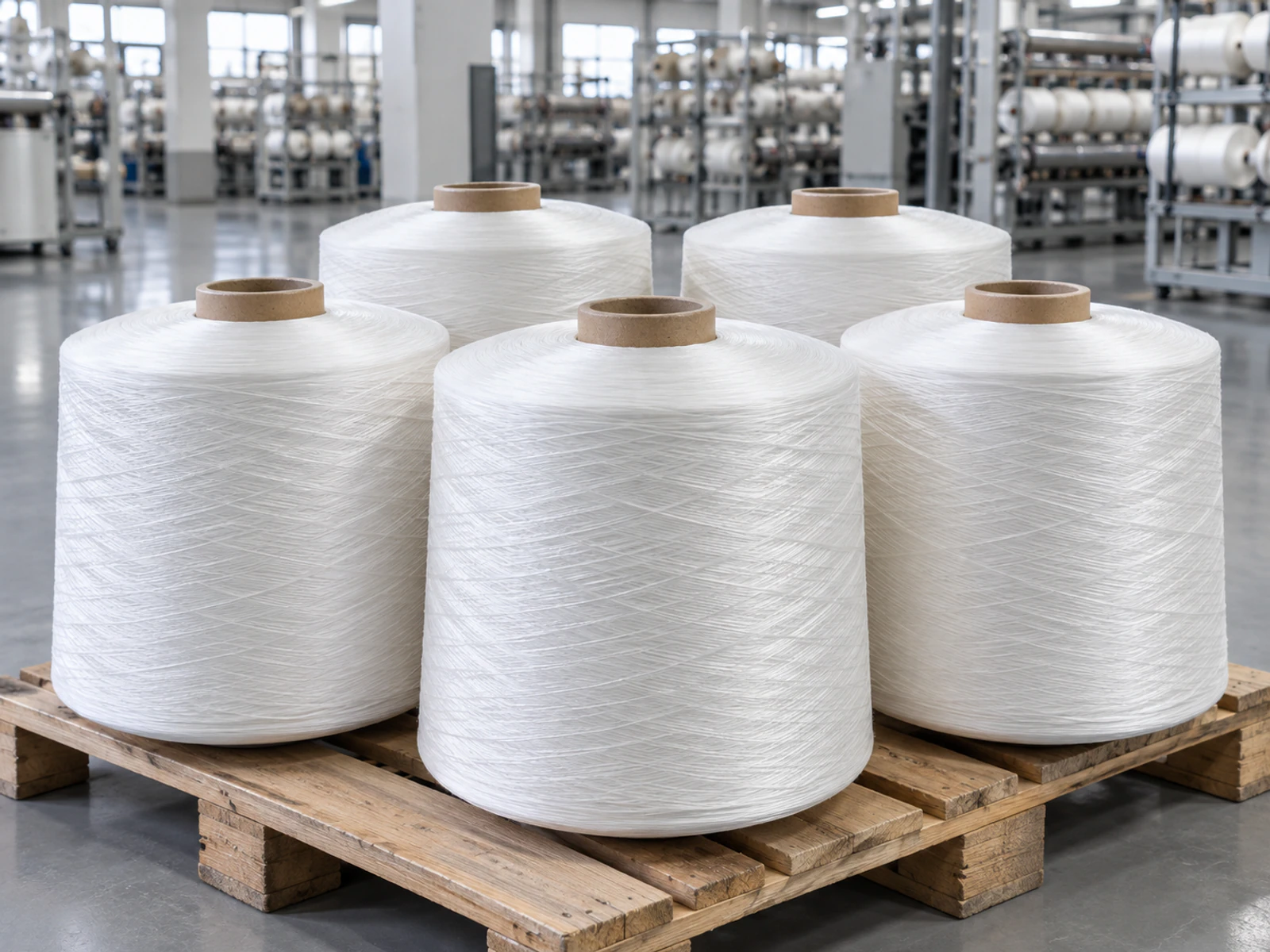
Denier is the linear density of a yarn: the weight in grams of 9,000 meters of that yarn. A 600D yarn weighs 600 g per 9,000 m; a 75D yarn weighs 75 g. A higher denier means a thicker, heavier yarn — so 600D Oxford fabric is far heavier and more abrasion-resistant than a 75D pongee, but also stiffer. Denier describes the yarn, not the fabric.
Denier, dtex and Filament Count
Europe often uses decitex (dtex), so a 75D yarn is about 83 dtex. Yarn codes also give the filament count after a slash: 75D/72F is a 75-denier yarn made of 72 filaments. More filaments at the same denier means finer individual filaments and a softer hand.
How to Read “600D × 300D”
When two numbers are given, the first is the warp yarn and the second the weft yarn. A 600D × 600D Oxford uses 600D yarn in both directions; 600D × 300D uses a lighter weft and is cheaper and lighter, but not equivalent. If a quotation for 600D Oxford fabric says only “600D”, ask for both directions.
Higher Denier Does Not Automatically Mean Stronger
Strength and durability depend on denier plus fiber, yarn tenacity, weave density and coating. Nylon at the same denier is generally more abrasion-resistant than polyester, while polyester holds up better in sunlight (see nylon vs polyester). A tightly woven 420D can outperform a loosely woven 600D. Specify the result you need — tear, tensile and abrasion values — not just the denier.
Denier vs GSM
GSM (grams per square meter) is the weight of the finished fabric. It depends on yarn denier, how many yarns per inch, and the coating. Two quotes for “600D Oxford fabric” can differ in GSM by tens of grams because of density and coating weight. Put both the denier and a GSM range with tolerance on the PO; our yarn count and fabric weight guide explains how the units relate.
What Do 190T and 210T Mean?
“T” is a density grade used for light filament fabrics such as taffeta, pongee and nylon. By trade convention it is the combined number of warp and weft yarns per square inch, so 210T is denser than 190T — firmer, slightly heavier, less see-through and a better base for coating. T-count is not an ISO unit, and mills count it slightly differently, so it is a grade name rather than a precise measurement.
190T vs 210T
For the same yarn, 190T is lighter and cheaper; 210T is tighter, holds a coating more evenly and resists seam slippage better. 190T taffeta is a standard lining; 210T is common for umbrellas, tent flies and coated jackets. Heavier grades such as 240T and 300T are typical for full-elastic pongee.
Why Taffeta Uses T and Oxford Uses D
With fine yarns (50D–75D), buyers compare fabrics mainly by density, so T-count is the useful number. With heavy yarns, the yarn thickness changes the product far more than a few yarns per inch, so Oxford is graded by denier. In both cases, the reliable specification is the full construction: yarn (D/F), yarns per inch or per centimeter in warp and weft, finished width and GSM.
What to Write Instead of Only “210T”
- Composition and yarn: 100% polyester, warp 75D FDY, weft 75D FDY (or DTY).
- Density: ends × picks per inch, or the mill’s T-grade plus a GSM range.
- Finished width and weight: e.g. 150 cm cuttable, GSM ±5%.
- Finish: calendered, DWR, PU coating — with test targets.
How Much Should 190T Taffeta or 600D Oxford Fabric Weigh?
You can estimate the base weight of any woven polyester before you see a sample: multiply each yarn’s denier by how many of those yarns sit in an inch, add warp and weft, and convert. The estimate shows why two fabrics sold under the same name can differ by 50% in weight — and lets you check whether a quoted GSM is realistic for the stated construction.
GSM ≈ (EPI × warp denier + PPI × weft denier) ÷ 228.6 × (1 + crimp)
EPI / PPI = warp ends and weft picks per inch. 228.6 = 2.54 × 90, which converts yarns per inch and grams per 9,000 m into grams per square meter. Crimp — the extra yarn length used as yarns bend over each other — is assumed at 6% here. Add the coating weight on top.
| Fabric | Yarn (warp × weft) | Example density (EPI × PPI) | Estimated GSM |
|---|---|---|---|
| 190T taffeta | 68D × 68D | 110 × 80 | ≈ 60 |
| 190T taffeta | 75D × 75D | 110 × 80 | ≈ 66 |
| 210T taffeta | 50D × 50D | 120 × 90 | ≈ 49 |
| 210T taffeta | 68D × 68D | 120 × 90 | ≈ 66 |
| 210T taffeta | 75D × 75D | 120 × 90 | ≈ 73 |
| 240T pongee | 75D × 75D DTY | 140 × 100 | ≈ 83 |
| 420D Oxford | 420D × 420D | 40 × 28 | ≈ 132 |
| 600D Oxford | 600D × 300D | 34 × 30 | ≈ 136 |
| 600D Oxford | 600D × 600D | 34 × 26 | ≈ 167 |
| 900D Oxford | 900D × 900D | 28 × 20 | ≈ 200 |
Densities are example inputs chosen to match each T-grade; real fabrics vary. Results are base weight before coating and finishing. Use the formula with the ends × picks your mill states, then compare with the GSM it quotes — a large gap means the construction or the weight needs explaining.
Why Two “210T” Fabrics Can Differ by 50%
T-count fixes how many yarns there are, not how heavy they are. At the same 120 × 90 density, a 210T woven from 50D yarn comes out at about 49 gsm, and one woven from 75D yarn at about 73 gsm — roughly 50% heavier, with a fuller hand and better coating base. Both are honestly “210T”. This is why a T-grade alone cannot be compared across suppliers.
600D × 300D vs 600D × 600D: What You Lose
In the example above, switching the weft from 600D to 300D cuts the base weight from about 167 to about 136 gsm. More importantly, the yarn mass running across the fabric falls from 26 × 600 to 30 × 300 — about 42% less. Because tensile and tear strength in each direction scale roughly with the yarn mass carrying the load, expect a clearly weaker weft direction. Both fabrics may be sold as “600D Oxford fabric”.
Compare Quotes by Price per Kilogram, Not per Meter
Take two hypothetical quotes for PU-coated 600D Oxford fabric, 150 cm wide, each with about 30 gsm of coating:
| Quote A | Quote B | |
|---|---|---|
| Construction | 600D × 300D, 34 × 30 | 600D × 600D, 34 × 26 |
| Estimated GSM incl. coating | ≈ 166 | ≈ 197 |
| Weight per running meter | ≈ 0.249 kg | ≈ 0.295 kg |
| Price per meter | $1.50 | $1.70 |
| Price per kilogram | ≈ $6.01 | ≈ $5.76 |
Quote A looks 12% cheaper per meter, but it buys less fabric — B is about 4% cheaper per kilogram and much stronger in the weft. Per-meter price is still what you pay; per-kilogram price tells you whether the difference comes from efficiency or from less material.
Which Fabric Should You Use for Jackets, Umbrellas, Tents and Bags?
Choose by weight class and wear: taffeta and pongee for light products that must pack small or drape — linings, jackets, umbrellas; ripstop or high-density plain weave for tents; Oxford for anything that carries load or is dragged across the ground — backpacks, luggage, tent floors, awnings and covers. The table below shows the ranges we produce for each end use.
| Product | Construction | GSM | Width (cm) | Typical finish |
|---|---|---|---|---|
| Jacket lining | Taffeta, plain or twill; FDY semi-dull | 45–80 | 145–160 | Anti-static, smooth, easy sew |
| Jacket / windbreaker | Pongee, taffeta, twill, memory fabric | 120–220 | 145–160 | DWR, windproof, PU/PA coating |
| Umbrella | 190T/210T high-density plain | 55–90 | 145–160 | DWR, PU or silver coating, UV |
| Tent fly / floor | Ripstop or high-density plain | 60–220 | 145–160 | Fly: waterproof; floor: high-pressure coating |
| Backpack / luggage | 600D Oxford fabric or 900D Oxford | 180–420 | 145–160 | Back coating, tear-resistant |
| Awning / shade | Oxford, high-tenacity yarn, coated | 200–320 | 150–200 | Anti-UV, waterproof |
| Car / equipment cover | High-density plain or Oxford | 220–400 | 145–200 | Waterproof, sun-resistant |
| Flag / banner | Flag cloth or warp knit | 80–130 | 145–320 | Digital print, sublimation, UV |
Source: Fabric-Supplier production specification table, also published on our polyester fabric wholesale page. GSM includes coating where applied.
Jackets and Windbreakers
Use pongee for the shell when the jacket should feel soft and look matte; use taffeta or twill for a crisper, shinier look. Down jackets need a dense shell (high T-count or calendered) so fill does not work through. Line with 190T taffeta for cost or a soft pongee for comfort.
Umbrellas
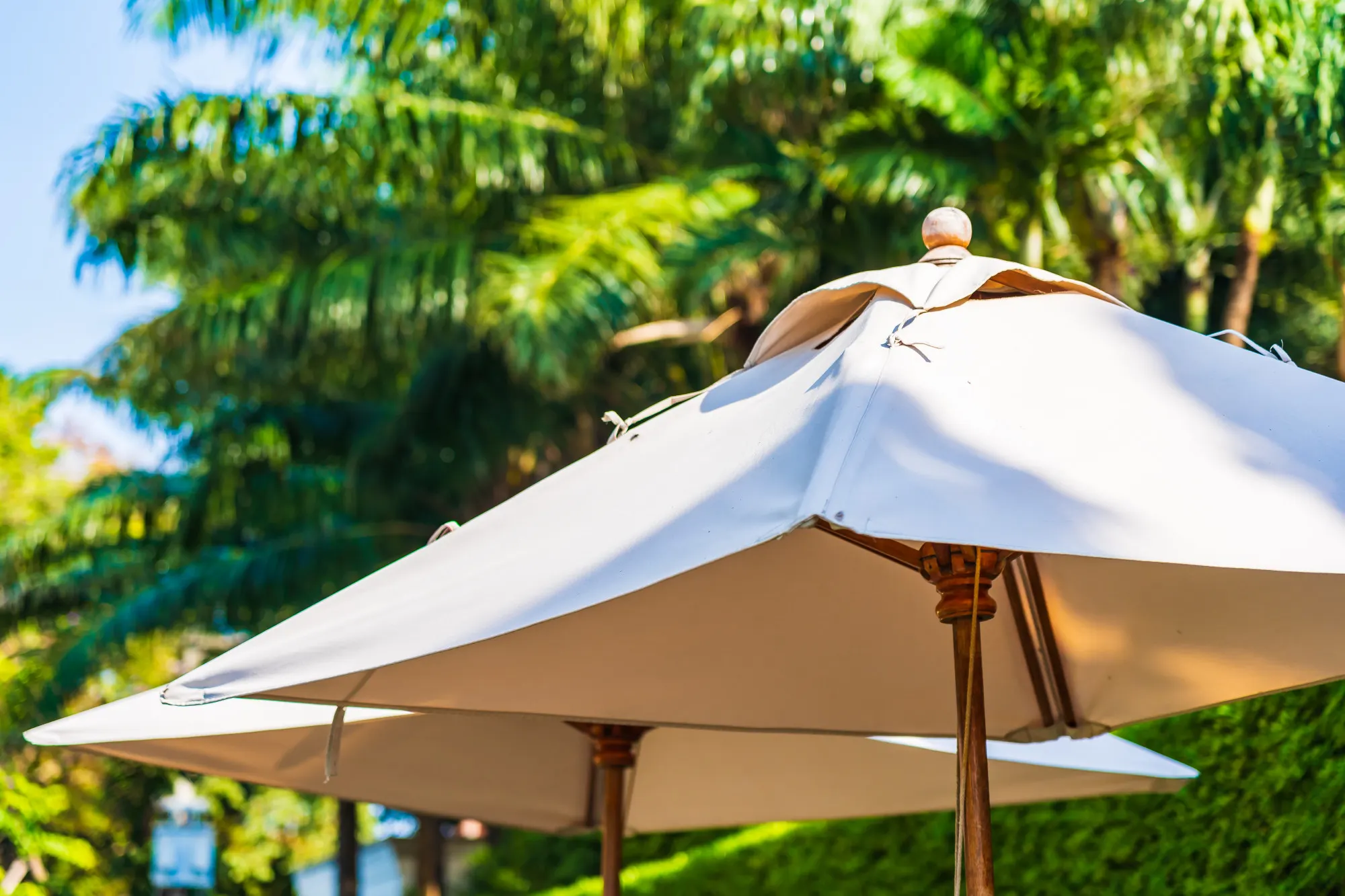
Rain umbrellas use 190T or 210T plain weave, often pongee, with DWR and frequently a PU coating on the back. Sun and patio umbrellas add a silver or UV-blocking coating; very large patio umbrellas move to heavier Oxford.
Tents
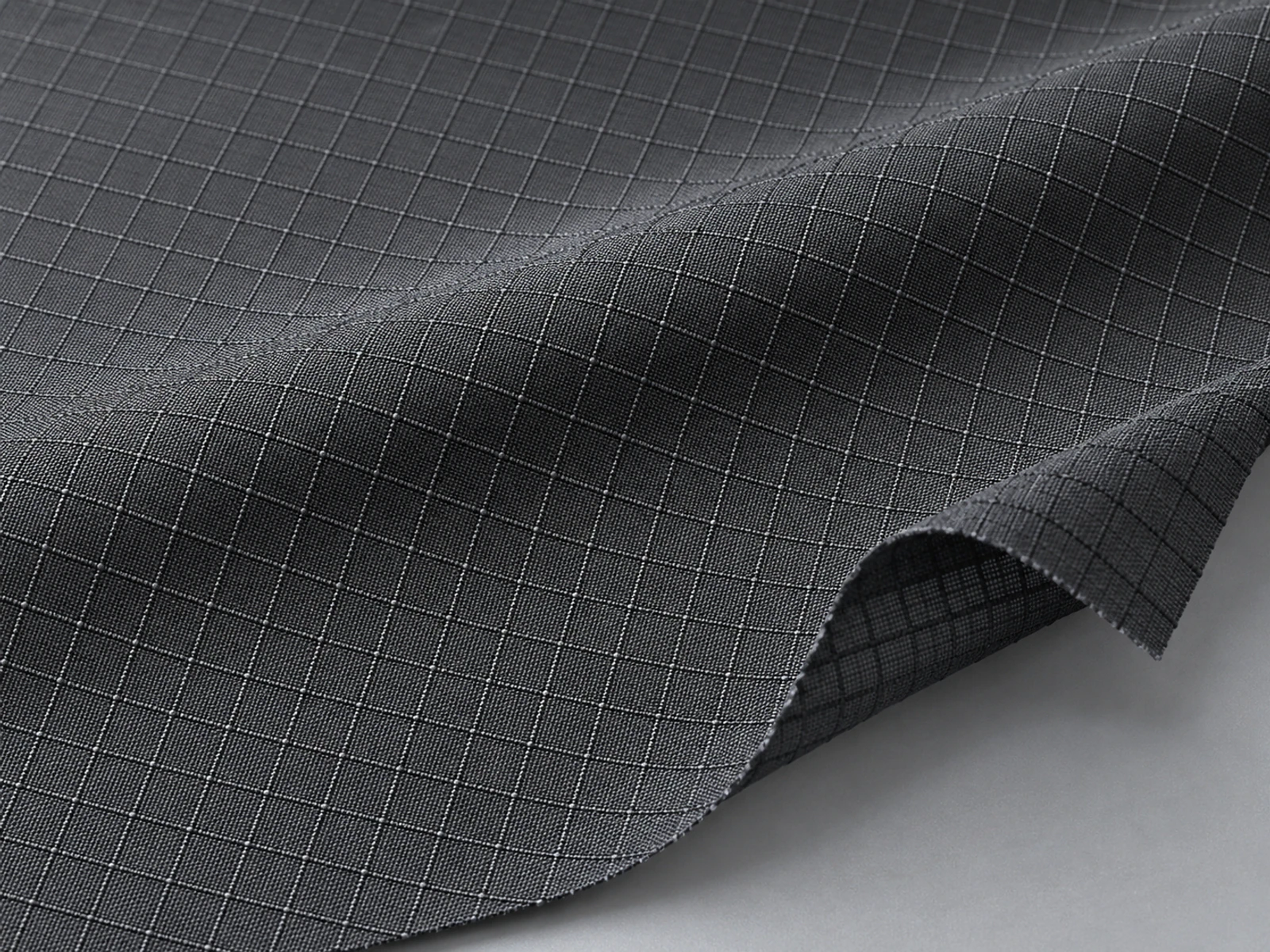
Tent flies combine low weight with water resistance, so they use ripstop or high-density plain weave with a PU or silicone coating. Floors take abrasion and ground water pressure and use heavier, more heavily coated fabric — often Oxford. Check the target market’s tent requirements, such as ISO 5912 for camping tents and CPAI-84 flammability where buyers require it.
Why 600D Oxford Fabric Is the Standard for Backpacks
Bags and luggage use 420D–900D Oxford with a PU or PVC back coating. 600D Oxford fabric is the most common all-round choice: heavy enough for daily abrasion, still easy to sew and cut, and widely available in coated and recycled versions. 900D or 1680D is used for heavy-duty bottoms and luggage; 420D for lighter bags and pouches. Car and equipment covers prioritize UV and weather resistance over abrasion, so coated high-density plain or Oxford with UV additives is typical.
Which Coating Do You Need: DWR, PU, PVC or Silver?
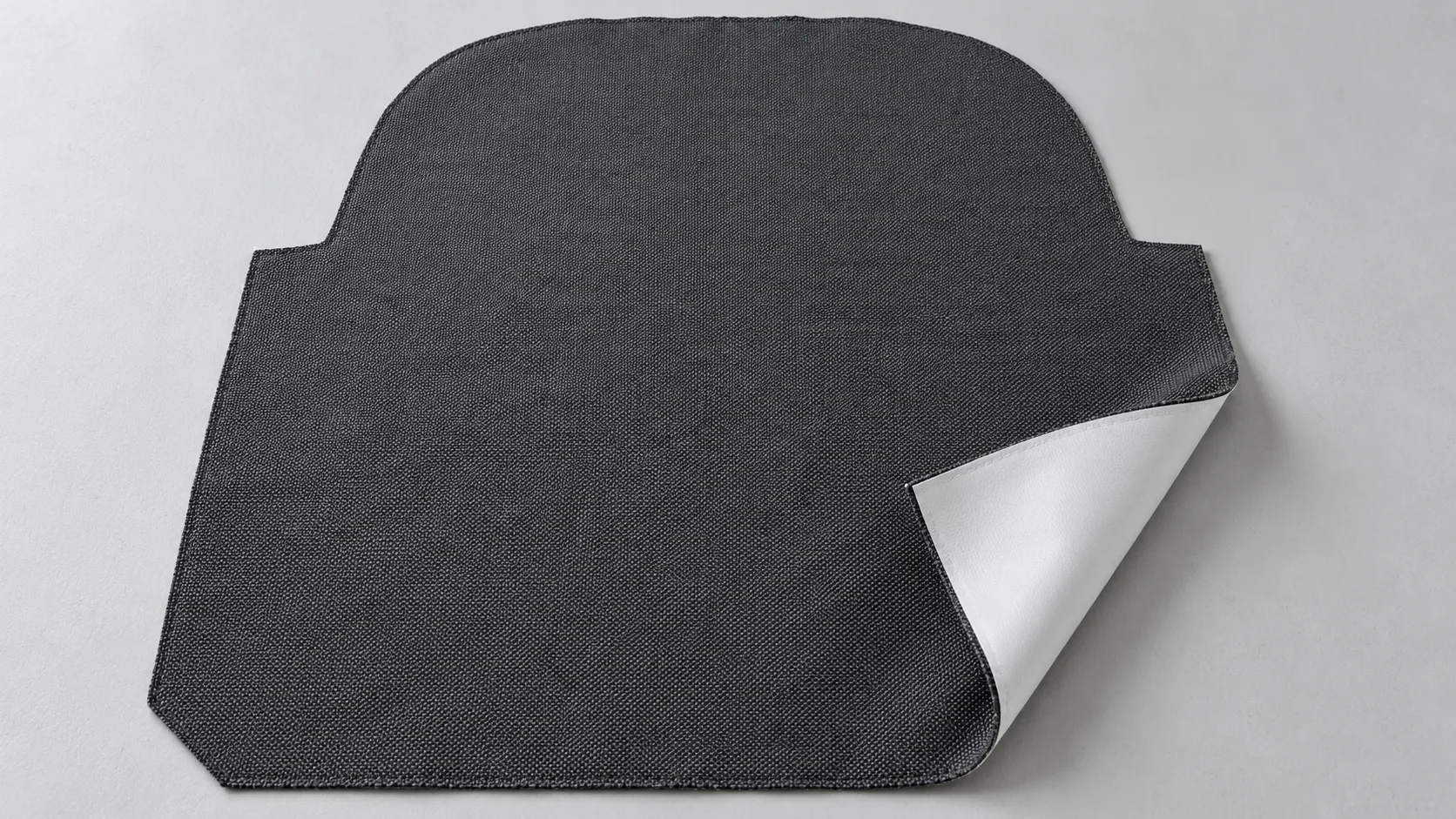
DWR makes water bead and roll off but does not make fabric waterproof. PU coating makes light fabric waterproof while keeping it flexible — the standard for jackets, umbrellas and tent flies. PVC gives a thicker, fully waterproof layer for bags, tarpaulins and heavy covers. Silver (aluminum-pigmented) coating reflects sunlight for umbrellas and covers. Specify waterproofing as a tested result in millimeters, not as a coating name.
| Finish | What it does | Typical products | How to test |
|---|---|---|---|
| DWR (C0 or C6) | Water repellency on the face; fabric stays breathable | Jackets, umbrellas, tent flies | Spray rating, AATCC 22 / ISO 4920, after washing |
| PU coating | Waterproof layer on the back; flexible, light | Jackets, umbrellas, tents, bags | Hydrostatic head, ISO 811 / AATCC 127 |
| PVC coating | Thick waterproof layer; stiff, durable | Bags, tarpaulins, heavy covers | Hydrostatic head; restricted substances (phthalates) |
| Silver coating | Reflects sunlight and heat; blocks light | Sun umbrellas, car covers | UV protection, AATCC 183 / AS/NZS 4399 |
DWR: Repellent, Not Waterproof
DWR changes the surface so water beads instead of wetting it. It is measured by spray rating (0–100) under AATCC 22 or ISO 4920, and the rating that matters is the one after home laundering. Our standard target is a spray rating of at least 80 after 20 washes, using a durable repellent and logged cure temperature. Choose C0 (fluorine-free) or C6 (short-chain fluorinated) to match your market: PFAS restrictions — for example California’s AB 1817 for textile articles — are pushing most brands toward C0.
PU and PVC: Real Waterproofing
Waterproofness is measured as hydrostatic head: the height of a water column, in millimeters, that the fabric resists before leaking (ISO 811 or AATCC 127). Ask for the value on the coated fabric and, for apparel, after washing. PU can be applied in one or more passes, and white or colored PU is common on bags. PVC is heavier and stiffer; check it against your market’s phthalate and restricted-substance rules before ordering.
Silver and UV Coatings
Silver coating is an aluminum-pigmented layer on the back of umbrella, cover and sunshade fabric that reflects sunlight and reduces heat and light transmission. If you plan to claim sun protection, test the finished fabric for UPF under AATCC 183 or AS/NZS 4399 rather than relying on the coating name.
Which Tests Should Be in Your Outdoor Fabric PO?
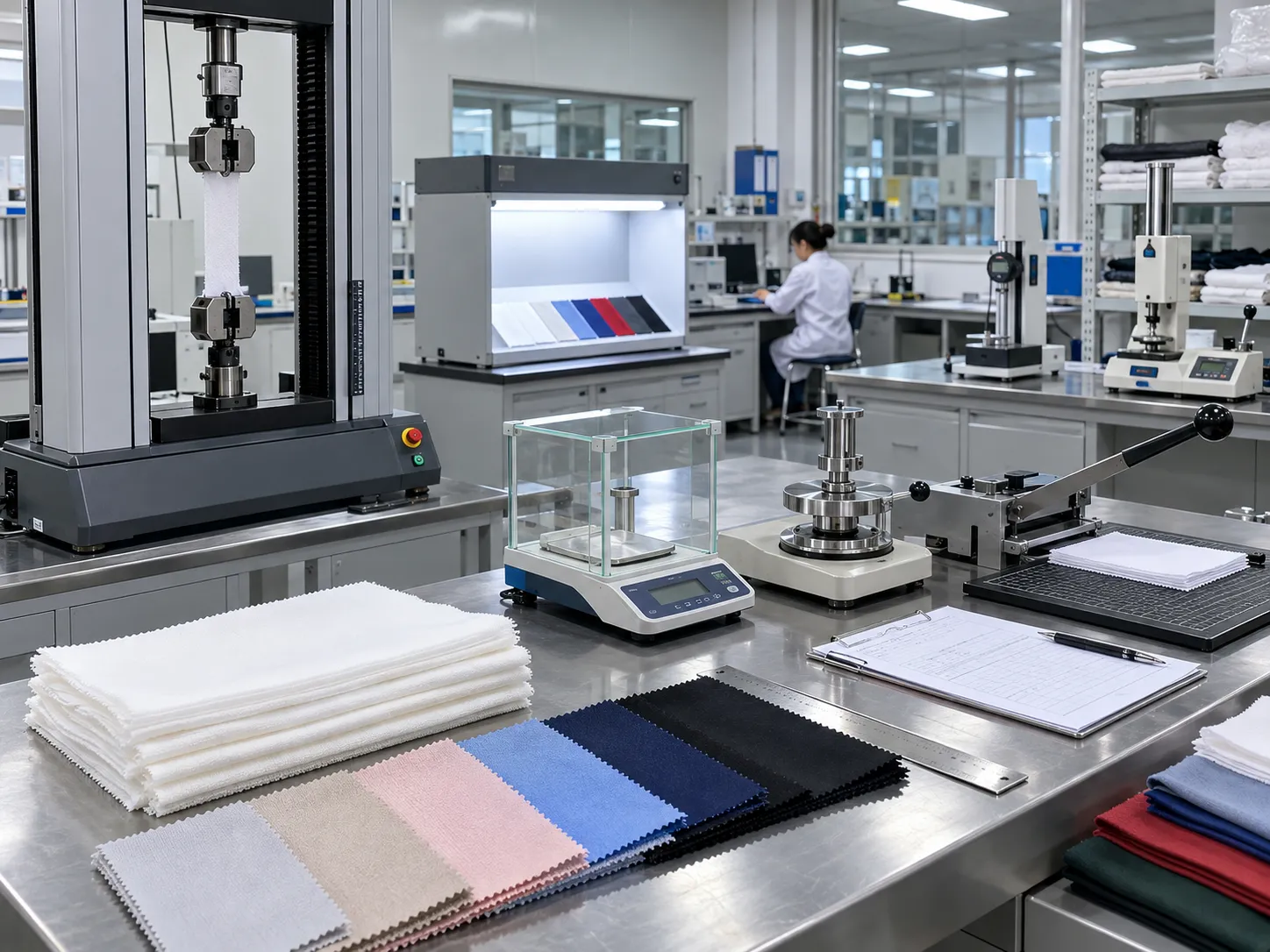
Write tests for the failure modes of the product: water (spray rating, hydrostatic head), mechanical strength (tear, tensile, seam slippage), wear (abrasion) and color (light and wash fastness). Name the test method, the target value and whether it applies before or after washing — a target without a method cannot be checked or enforced.
| Property | ISO method | ASTM / AATCC method | Most important for |
|---|---|---|---|
| Water repellency | ISO 4920 | AATCC 22 | DWR jackets, umbrellas |
| Waterproofness | ISO 811 | AATCC 127 | Coated jackets, tents, bags |
| Tear strength | ISO 13937-2 (trouser) | ASTM D2261 (tongue) | Tents, light shells |
| Tensile strength | ISO 13934-2 (grab) | ASTM D5034 (grab) | Bags, covers, awnings |
| Seam slippage | ISO 13936 | ASTM D1683 | Low-density taffeta, linings |
| Abrasion | ISO 12947-2 (Martindale) | ASTM D4966 (Martindale) | Bags, luggage, tent floors |
| Colorfastness to light | ISO 105-B02 | AATCC 16.3 | Umbrellas, awnings, covers |
| UV protection (UPF) | AS/NZS 4399 | AATCC 183 | Sun umbrellas, shades |
For wash and rub fastness, see our guide to colorfastness test standards; for visual defects and roll grading, see polyester fabric inspection with the four-point system.
When Should You Not Use Polyester Taffeta, Pongee or Oxford?
Polyester is the cost-efficient default for most outdoor products, but it is the wrong choice in five situations: ultralight gear where every gram counts, products that must stay waterproof at the seams in heavy rain, extreme-abrasion parts, products sold on a natural-fiber look, and items that need certified flame resistance. In these cases we recommend a different material, even though we sell polyester.
Ultralight Gear: Consider Nylon
At the same denier, nylon is generally stronger and more abrasion-resistant, so ultralight tents, packs and shells often use 10D–30D nylon ripstop to save weight. Polyester wins on UV stability and lower stretch when wet, which is why many tent flies still use it. See nylon vs polyester for the trade-offs.
Fully Waterproof Products: Use Laminates and Taped Seams
A PU-coated taffeta or Oxford is waterproof only across the flat fabric. If water must not enter through seams — rainwear for heavy rain, dry bags — you need seam taping or welded construction, often with a TPU laminate rather than a simple coating. Specify the finished product test, not only the fabric.
Extreme Abrasion: Go Heavier or Change Fiber
For luggage bottoms, tool bags and military-style packs, 600D polyester may wear through. Move to 900D–1680D, a high-tenacity yarn, or nylon, and set a Martindale target instead of relying on denier.
Natural Look or Feel: Cotton Canvas or Blends
Heritage bags, tote bags and lifestyle covers sold on a natural, matte appearance are better served by cotton canvas, waxed cotton or poly-cotton blends; polyester Oxford will always look synthetic up close. Compare fibers in cotton vs polyester.
Certified Flame Resistance
Standard polyester melts and drips when it burns. Tents, awnings and contract textiles that must meet a flammability standard need an FR-treated or inherently FR fabric tested to the required method — confirm the certificate for the exact construction and color, not a similar article.
What Goes Wrong With Taffeta, Pongee and Oxford in Production?
Most claims on outdoor polyester come from five problems: seams pulling open on light fabrics, repellency washing off, coatings peeling or turning sticky, width and weight drifting between lots, and shade differences between rolls. Each can be prevented if the fabric spec sets the right construction and test limits before bulk.
Seam Slippage on Light Taffeta
DWR That Washes Off
Coating Peeling or Turning Sticky
Width and Weight Drift
Shade Variation Between Rolls
How to Specify Outdoor Polyester Fabric for a Bulk Order
A complete outdoor fabric spec has six parts: end use, fiber and yarn, construction, finished width and weight, finishes with test targets, and color and order terms. Missing any one of them is how two mills quote the “same” 600D Oxford fabric at very different prices — and how bulk ends up different from the sample.
1State the End Use
“Backpack body”, “umbrella canopy” or “down-jacket shell” tells the mill which tests matter and which construction is realistic.
2Fiber and Yarn
For example: 100% polyester, warp 75D/72F DTY, weft 75D/72F DTY; or 600D × 600D polyester. Add recycled content (rPET) if required.
3Construction
Weave (plain, twill, basket, ripstop) and density — T-grade plus yarns per inch, or denier plus yarns per inch for Oxford.
4Width and Weight
Cuttable width (e.g. 150 cm) and GSM with tolerance, stated as before or after coating.
5Finishes and Test Targets
For example: “PU coated, hydrostatic head ≥ [value] mm, ISO 811; DWR C0, spray rating ≥ 80 after [n] washes, AATCC 22”. Fill in the values your product and market require.
6Color, Sampling and Terms
Color standard and lab-dip approval, shade-lot rules, packing, quantity and delivery date. Our terms for outdoor polyester are a 500 m MOQ, 20–35 days bulk lead time after sample approval, and free swatches of existing fabrics (you pay shipping). For constructions outside our standard range, see custom wholesale fabric.
100% polyester 600D × 600D Oxford, basket weave · cuttable width 150 cm · GSM [range] ±5% after coating · PU back coating, hydrostatic head ≥ [value] mm (ISO 811) · Martindale ≥ [cycles] (ISO 12947-2) · lightfastness ≥ grade [n] (ISO 105-B02) · color to approved lab dip · 500 m
For yarn types, testing and PO terms beyond outdoor fabrics, see what is polyester fabric, or browse all polyester fabric guides.
Tell us the product, construction and roughly how much you need. We reply within 24 hours and ship free samples within 5 days. Taffeta, pongee, ripstop, 600D Oxford fabric and 900D Oxford · PU, PVC and silver coating · MOQ 500 m · bulk in 20–35 days.
Prefer chat? Message us on WhatsApp: +86 188-2515-3652
Frequently Asked Questions About Taffeta, Pongee and Oxford Fabric
What is 600D Oxford fabric?
600D Oxford fabric is a woven polyester (or nylon) fabric made from 600-denier yarns — yarns that weigh 600 grams per 9,000 meters — in a basket or heavy plain weave. It is usually PU or PVC coated and is the standard fabric for backpacks, luggage and covers.
How can I check if a quoted GSM is realistic?
Estimate the base weight from the construction: GSM ≈ (EPI × warp denier + PPI × weft denier) ÷ 228.6 × (1 + crimp), then add the coating weight. If the quoted GSM is far from the estimate, ask the mill to confirm yarn denier and density.
What is pongee fabric?
Pongee is a plain-woven polyester fabric that uses textured DTY yarn in the weft or in both directions. It is softer and less shiny than taffeta and is widely used for jacket shells, down jackets and coated umbrellas.
Is pongee better than polyester?
Pongee is itself usually 100% polyester; “pongee” describes the weave and yarn, not a different fiber. Compared with polyester taffeta, it is softer and fuller, while taffeta is crisper and cheaper for linings.
Is Oxford fabric the same as polyester?
Not necessarily. Oxford is a weave, not a fiber. Outdoor and bag Oxford is mostly polyester or nylon in heavy deniers such as 600D; shirting Oxford is usually cotton or a cotton blend.
Which is better, 420D or 600D Oxford fabric?
600D Oxford fabric is heavier and more abrasion-resistant, so it suits backpacks, luggage and covers; 420D is lighter and more flexible, so it suits light bags, pouches and linings for heavy products. Density and coating matter as much as denier.
How durable is 600D polyester?
600D Oxford fabric in polyester is durable enough for everyday backpacks, luggage and outdoor covers, and polyester resists UV better than nylon. For extreme abrasion, use 900D or 1680D, or nylon. Confirm durability with abrasion and tear tests rather than denier alone.
Is polyester taffeta waterproof?
Not by itself. Uncoated taffeta is a tight weave that sheds light rain, especially with DWR, but becomes waterproof only with a PU or similar coating, confirmed by a hydrostatic head test.
What is the difference between 190T and 210T?
210T has more yarns per square inch than 190T, so it is denser, firmer and slightly heavier, and holds coatings better. 190T is the economical choice for linings; 210T is common for umbrellas and coated outerwear.
What is the MOQ for taffeta, pongee or Oxford fabric?
At our mill, the MOQ is 500 meters per order, with a 20–35 day bulk lead time after sample approval. Swatches of existing fabrics are free; you pay only the shipping.
- Denier and dtex definitions: grams per 9,000 m and per 10,000 m of yarn — Units of textile measurement.
- Pongee yarn constructions (FDY 60D/24F warp for semi-elastic; DTY 75D/72F, 240T/300T for full-elastic): Hangzhou Tiankun Chem, “What is poly pongee?” and Hangzhou K&M Textile.
- T-count: trade convention for combined warp and weft yarns per square inch; not defined in ISO or ASTM standards.
- Test methods: standard numbers as published by ISO, ASTM International and AATCC. Target values must be agreed per product.
- Production ranges (GSM, width, finishes) and order terms: Fabric-Supplier production data, October 2026.
We weave taffeta, pongee, ripstop and Oxford on water-jet and air-jet looms, and dye, coat and test them under one quality system at our fabric factory in Guangzhou — so a jacket shell, its lining and the matching bag fabric can ship in one container. Send us your product and spec, and we will recommend the construction with samples and a quotation.